Ricky Briar

Exterior

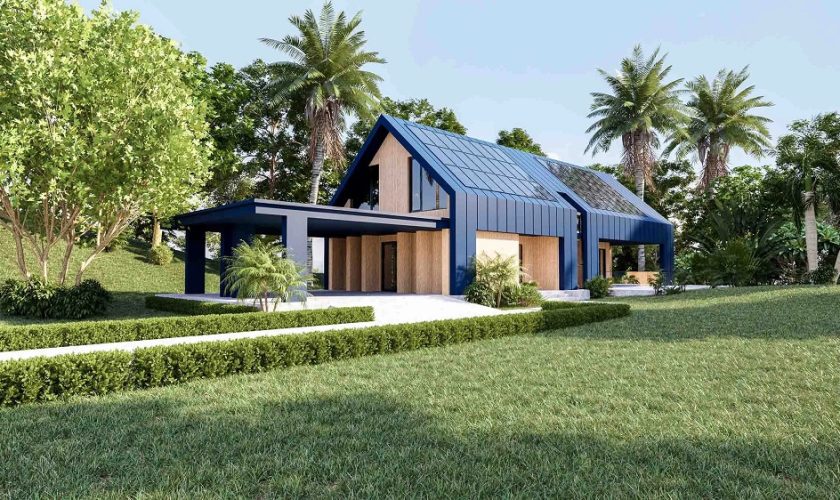
Climate-Adaptive Exterior Envelope Strategies for High-Performance Homes

The exterior of a building is no longer a static shell designed solely for visual appeal. In high-performance residential and mixed-use architecture, the exterior envelope has evolved into a responsive system that manages heat, moisture, air, and durability in direct relation to climate conditions. As energy codes tighten and homeowners demand long-term resilience, climate-adaptive exterior strategies are becoming a defining factor in exterior design decisions.

This article explores advanced, non-generic exterior concepts focused on performance-driven envelopes, material intelligence, and regional responsiveness—without revisiting beginner-level or overused topics.

Understanding the Exterior Envelope as a Dynamic System

An exterior envelope is best understood as a multi-layered assembly rather than a single surface. Each layer plays a critical role in maintaining indoor comfort and protecting structural integrity.

Key performance objectives of a climate-adaptive envelope include:

  • Thermal regulation across seasonal extremes

  • Moisture control and vapor management

  • Air sealing without sacrificing breathability

  • Long-term durability under climate stressors

  • Energy optimization through passive means

Rather than relying on mechanical systems alone, adaptive exteriors reduce energy loads by design, allowing buildings to work with the environment instead of against it.

Climate Zoning as the Foundation of Exterior Design

Designing a high-performance exterior begins with climate zoning, not aesthetics. Each climate presents unique challenges that must influence material selection, assembly thickness, and detailing.

Cold and Mixed-Cold Climates

In colder regions, exterior strategies prioritize heat retention and condensation prevention.

Effective approaches include:

  • Continuous exterior insulation to eliminate thermal bridging

  • Vapor control layers placed strategically to prevent interstitial moisture

  • High-density cladding systems that resist freeze-thaw cycles

The goal is to keep the structural core warm and dry year-round, extending the life of both finishes and framing.

Hot and Arid Climates

Hot, dry regions demand exteriors that reject heat while managing solar gain.

Advanced solutions often incorporate:

  • Ventilated rain screens that allow heat dissipation

  • Reflective or light-colored cladding with high solar reflectance values

  • Deep overhangs and exterior shading devices integrated into the façade

Here, the envelope functions as a thermal buffer, reducing cooling demand without sacrificing daylight.

Hot-Humid and Coastal Climates

Moisture is the primary adversary in humid zones. Exterior envelopes must focus on drying potential and mold resistance.

Key considerations include:

  • Permeable assemblies that dry outward

  • Corrosion-resistant fasteners and substructures

  • Impact-rated cladding for storm-prone areas

A successful exterior in these regions manages bulk water aggressively while allowing vapor to escape.

High-Performance Cladding Systems Beyond Aesthetics

Cladding is often treated as a purely visual choice, but in climate-adaptive design, it serves as a functional performance layer.

Ventilated Rain Screen Assemblies

Rain screens create a pressure-moderated cavity between the cladding and the wall assembly.

Performance benefits include:

  • Reduced moisture intrusion

  • Enhanced drying capacity

  • Improved thermal performance in both hot and cold climates

When properly detailed, rain screens significantly extend the lifespan of exterior materials.

Engineered Wood and Composite Facades

Modern engineered wood products and composites offer predictable expansion behavior, improved moisture resistance, and reduced maintenance compared to traditional wood siding.

Advantages include:

  • Dimensional stability across temperature swings

  • Factory-applied finishes with longer warranties

  • Compatibility with continuous insulation systems

These materials perform especially well in mixed climates where seasonal variation is extreme.

High-Mass Exterior Materials

Stone, masonry, and insulated concrete systems provide thermal mass, which helps regulate interior temperatures by absorbing and releasing heat slowly.

This approach is particularly effective in:

  • Regions with large diurnal temperature swings

  • Passive solar-oriented designs

  • Homes targeting net-zero energy performance

Thermal mass works best when paired with strategic insulation placement.

Exterior Insulation as a Performance Multiplier

One of the most impactful advancements in exterior design is continuous exterior insulation, which wraps the structure in an uninterrupted thermal layer.

Eliminating Thermal Bridging

Traditional stud walls allow heat to escape through framing members. Exterior insulation:

  • Reduces energy loss by up to 40%

  • Improves occupant comfort near exterior walls

  • Stabilizes interior surface temperatures

This strategy also enhances the performance of high-end windows and doors by aligning their thermal values with the wall assembly.

Material Selection for Exterior Insulation

Common exterior insulation materials include:

  • Rigid mineral wool for fire resistance and vapor permeability

  • High-density foam boards for maximum R-value per inch

  • Advanced composite panels for integrated structural support

Each option must be matched carefully to climate and wall design to avoid unintended moisture issues.

Adaptive Detailing for Long-Term Durability

High-performance exteriors succeed or fail at the detail level. Climate-adaptive detailing anticipates water movement, expansion, and maintenance cycles.

Critical detailing areas include:

  • Window and door flashing integrated with weather barriers

  • Roof-to-wall transitions designed for thermal continuity

  • Base-of-wall drainage strategies to manage bulk water

Ignoring these details compromises even the most advanced material selections.

Exterior Color, Texture, and Solar Interaction

Color choice in exterior design directly affects solar heat absorption, especially in sun-dominant climates.

Strategic considerations include:

  • Light-toned finishes for cooling-dominated regions

  • Textured surfaces that reduce glare while dispersing heat

  • Matte coatings that limit thermal stress on cladding

Advanced exterior coatings now offer infrared reflectivity without limiting design flexibility.

Smart Exteriors and Responsive Facade Technologies

The next evolution of exterior design integrates responsive technologies that adapt to changing environmental conditions.

Examples include:

  • Dynamic shading systems that adjust to sun angles

  • Moisture-sensing assemblies that alert homeowners to leaks

  • Exterior-integrated photovoltaic surfaces that double as cladding

These innovations blur the line between architecture and performance engineering, creating exteriors that actively contribute to building efficiency.

The Role of Maintenance in Climate-Adaptive Exteriors

Even the most advanced exterior system requires planned maintenance strategies to perform long-term.

High-performance designs prioritize:

  • Accessible inspection zones

  • Replaceable cladding panels

  • Materials with predictable aging patterns

Designing for maintenance reduces lifecycle costs and protects the original performance intent.

Why Climate-Adaptive Exterior Design Is Becoming Non-Negotiable

As weather patterns become more unpredictable, static exterior solutions fall short. Climate-adaptive envelopes provide:

  • Greater resilience against extreme conditions

  • Lower operational energy costs

  • Improved indoor comfort and air quality

  • Increased property value through durability and performance

Exterior design is no longer about first impressions alone—it’s about long-term adaptability.

Frequently Asked Questions

What makes an exterior envelope “climate-adaptive” rather than traditional?

A climate-adaptive envelope responds directly to regional temperature, moisture, and solar conditions instead of relying on one-size-fits-all assemblies.

Is climate-adaptive exterior design only relevant for new construction?

No. Many strategies, such as exterior insulation and rain screen cladding, can be applied effectively during major renovations or re-cladding projects.

How does exterior insulation affect interior living space?

Exterior insulation increases thermal performance without reducing interior square footage, making it more efficient than interior retrofits.

Are high-performance exterior systems significantly more expensive?

Upfront costs may be higher, but long-term energy savings, reduced maintenance, and extended material lifespan often offset the initial investment.

Can climate-adaptive exteriors still support bold architectural styles?

Yes. Modern materials and assemblies allow for advanced performance without limiting creative expression or aesthetic flexibility.

How does climate-adaptive design improve indoor comfort?

By stabilizing interior surface temperatures and controlling air leakage, these exteriors eliminate drafts, cold spots, and overheating near walls.

What is the biggest mistake to avoid in high-performance exterior design?

Ignoring detailing and climate-specific moisture behavior is the most common failure point, even when premium materials are used.
read more
Decor Tips

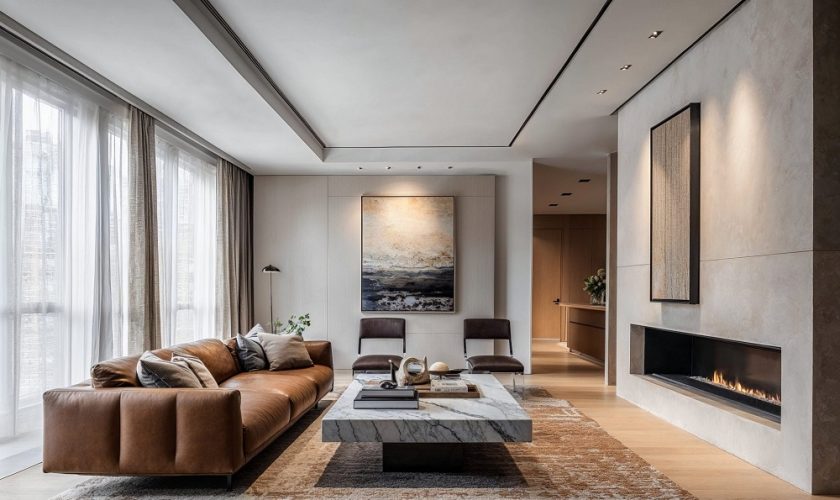
Advanced Decor Tips That Transform Spaces Without a Renovation

Interior décor has evolved far beyond matching cushions and color-coordinated curtains. Today’s most compelling spaces are layered, intentional, and rooted in design psychology rather than trends. This guide explores advanced decor strategies used by designers to reshape how a space feels, functions, and flows—without falling into generic or beginner advice.

If you’re looking to elevate an already well-furnished home, these decor tips focus on precision, depth, and spatial storytelling, not surface-level styling.

Design With Negative Space as a Feature, Not a Gap

One of the most overlooked advanced decor techniques is intentional emptiness. Negative space is not “unused” space—it’s a visual pause that allows focal elements to breathe.

How to Apply Negative Space Strategically

  • Limit statement pieces per wall to one dominant visual anchor

  • Leave at least 30–40% of surfaces unfilled in high-traffic rooms

  • Use blank walls to frame architectural features or art rather than filling them reflexively

Negative space increases perceived luxury because it signals confidence in design choices rather than excess.

Build a Multi-Layered Lighting Ecosystem

Lighting should never be a single-source decision. Advanced decor relies on light layering, where each source has a distinct role.

Core Lighting Layers to Integrate

  • Ambient lighting for general illumination

  • Task lighting for functional zones (reading, cooking, grooming)

  • Accent lighting to highlight textures, art, or architectural depth

Pro Tip

Use warm accent lights (2700K) against cooler ambient lighting to create contrast and dimensional warmth without repainting walls.

Treat Texture as a Color Substitute

Advanced decor doesn’t rely solely on color palettes. Texture layering can achieve richness even in monochrome spaces.

High-Impact Texture Pairings

  • Matte plaster walls with polished stone surfaces

  • Bouclé upholstery against smooth leather

  • Natural wood grain paired with brushed metal

Instead of adding more colors, vary surface finishes to create visual interest that ages gracefully.

Design Furniture Layouts for Movement, Not Symmetry

Perfect symmetry can make a room feel staged rather than lived-in. Sophisticated interiors prioritize circulation flow over visual balance.

Layout Strategies That Elevate a Room

  • Angle seating slightly to encourage conversation

  • Offset coffee tables or side chairs intentionally

  • Maintain clear walking paths of at least 36 inches

This approach enhances comfort and makes spaces feel intuitive rather than rigid.

Use Color Temperature to Define Emotional Zones

Instead of assigning colors room by room, advanced decor uses color temperature to guide mood transitions within a single space.

Emotional Mapping Through Color

  • Cooler undertones for focus areas like offices or kitchens

  • Warmer undertones for relaxation zones

  • Neutral buffers in transitional spaces

This technique works especially well in open-plan homes, where visual zoning matters more than walls.

Curate Art Like a Gallery, Not a Collection

Art should anchor a space emotionally, not just fill walls. Advanced decor treats art placement with museum-level intentionality.

Art Placement Principles

  • Hang art at eye level (57–60 inches from floor to center)

  • Use fewer, larger pieces instead of clusters

  • Allow at least 6–8 inches of breathing room around each piece

Well-placed art becomes part of the architecture rather than decoration.

Mix Design Eras With a Unifying Element

The most refined interiors blend eras seamlessly rather than committing to a single style.

How to Mix Without Chaos

  • Combine one dominant era with subtle accents from another

  • Use a unifying material (wood tone, metal finish, or color)

  • Keep silhouettes consistent even if periods differ

For example, a mid-century sofa can coexist with contemporary lighting if the color temperature and scale align.

Elevate Storage Into Visual Architecture

Storage doesn’t need to disappear—it can become a design feature.

High-Level Storage Decor Ideas

  • Floor-to-ceiling shelving that frames a wall

  • Built-in cabinets with contrasting interiors

  • Open storage balanced with concealed compartments

This approach adds rhythm and structure while maintaining practicality.

Incorporate Scent and Acoustics Into Decor Decisions

True luxury decor engages all senses, not just sight.

Sensory Enhancements That Matter

  • Layered textiles to soften sound reflection

  • Natural fibers that absorb excess noise

  • Subtle scent zoning using different aromas per area

These invisible elements significantly influence how a space is experienced over time.

Design for Aging Gracefully, Not Trends

Trend-driven decor often dates quickly. Advanced decor prioritizes timeless adaptability.

Future-Proofing Your Interior

  • Choose neutral foundations with replaceable accents

  • Invest in quality materials that patina well

  • Avoid overly thematic decor elements

A well-designed space should evolve naturally, not require reinvention every few years.

Balance Visual Weight Across the Room

Visual weight refers to how heavy an object feels, not how heavy it is.

How to Balance Visual Weight

  • Counter large furniture with negative space

  • Balance dark elements with light-reflective surfaces

  • Distribute bold colors evenly rather than clustering them

This ensures a room feels grounded rather than top-heavy or chaotic.

Make Transitional Spaces Intentional

Hallways, entryways, and stair landings are often neglected, yet they define first impressions.

Elevation Ideas for Transitional Areas

  • Statement lighting or sculptural mirrors

  • Narrow consoles with curated objects

  • Textured wall treatments or subtle color shifts

Treating these spaces seriously elevates the entire home’s design narrative.

Advanced Decor Is About Editing, Not Adding

The final and most important decor tip: restraint is a skill.

Before introducing anything new, ask:

  • Does this add function or meaning?

  • Does it disrupt balance or flow?

  • Does it support the room’s emotional goal?

Often, removing one item has more impact than adding three.

Frequently Asked Questions

How can I make my home feel more luxurious without buying new furniture?

Focus on lighting layers, decluttering, and improving texture contrast. These changes dramatically affect perception without major purchases.

What’s the biggest mistake people make in advanced decor?

Overcrowding. Too many focal points dilute impact and reduce visual clarity.

Can minimalism still feel warm and inviting?

Yes. Warm lighting, natural textures, and thoughtful spacing prevent minimalism from feeling cold.

How do I choose statement pieces without overwhelming the room?

Limit yourself to one statement per visual zone and support it with neutral surroundings.

Is mixing multiple decor styles risky?

Not if you maintain consistency in scale, materials, or color temperature.

How often should decor be updated in a well-designed home?

Small seasonal changes are enough. Structural decor should remain relevant for years.

What’s the most underrated decor element?

Sound and scent. They profoundly affect comfort but are rarely planned intentionally.

read more
Bathroom

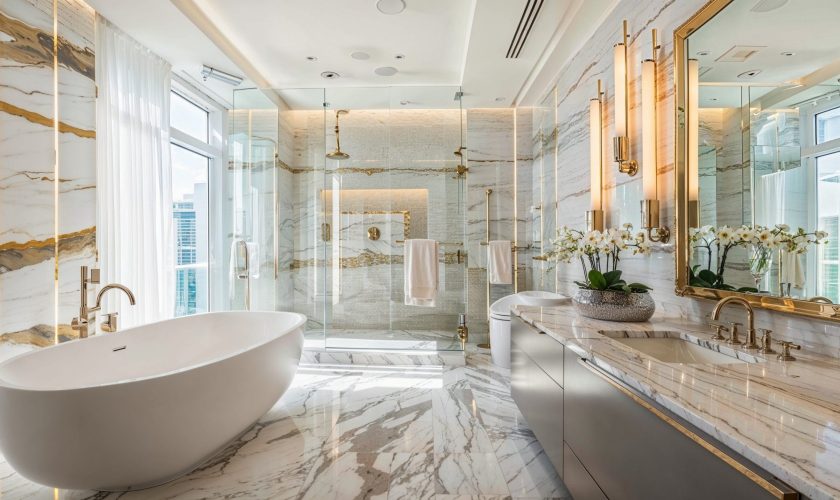
The Hidden Architecture of High-Performance Bathrooms: Designing for Comfort, Longevity, and Sensory Balance

Modern bathrooms are no longer defined solely by fixtures and finishes. Behind every exceptional bathroom lies an invisible layer of decisions that shape comfort, durability, hygiene, and emotional well-being. This article explores advanced, non-generic bathroom design principles that go far beyond aesthetics—focusing on micro-design, ergonomics, material intelligence, and performance-driven planning.

Rather than repeating surface-level renovation advice, this guide dives into how bathrooms can be engineered to perform flawlessly over decades while delivering a refined daily experience.

Why High-Performance Bathroom Design Is a Different Discipline

A bathroom is the only room that combines water, heat, electricity, chemicals, and bare skin in a confined space. This makes it one of the most technically demanding environments in any home.

High-performance bathrooms are designed around:

  • Human behavior and body movement

  • Moisture management and airflow

  • Material aging and maintenance cycles

  • Psychological comfort and sensory calm

Ignoring these layers often leads to premature wear, mold issues, awkward layouts, or visual clutter—regardless of how expensive the fixtures are.

Ergonomic Micro-Zoning: Designing Around the Human Body

Most bathroom plans fail not because of size constraints, but because they ignore how bodies move in real space. Micro-zoning focuses on optimizing inches, not feet.

Key Ergonomic Considerations

  • Standing vs. leaning zones at the vanity

  • Elbow clearance when washing hands or brushing teeth

  • Hip and knee space around toilets and bidets

  • Natural turning radius when exiting showers

Even a well-sized bathroom can feel cramped if these zones overlap.

Strategic Placement That Improves Daily Comfort

  • Offset sinks slightly from walls to avoid shoulder compression

  • Install wall-mounted vanities at customized heights based on user stature

  • Align towel storage with arm reach after shower exit

  • Position mirrors to account for posture, not just eye level

These subtle adjustments dramatically reduce daily strain without altering visual design.

Moisture Engineering: The Science Behind Dry Bathrooms

Moisture is the silent enemy of bathrooms. True performance design treats humidity as a system, not a side effect.

Advanced Moisture Control Strategies

  • Layered ventilation, combining ceiling extraction with passive airflow paths

  • Material sequencing, placing moisture-tolerant surfaces where splash zones occur

  • Condensation planning, especially around mirrors, windows, and metal fixtures

High-performance bathrooms control where water goes after it lands, not just where it starts.

Hidden Failure Points to Address

  • Grout lines behind fixtures

  • Wall cavities adjacent to showers

  • Vanity interiors with trapped humidity

  • Silicone joints exposed to constant temperature shifts

Designing for moisture longevity prevents costly repairs and health hazards years down the line.

Material Intelligence: Choosing Surfaces That Age Gracefully

Luxury bathrooms are not defined by how they look on day one, but by how they age.

High-Intelligence Material Characteristics

  • Low porosity to resist staining and bacteria

  • Thermal stability under hot and cold cycles

  • Chemical resistance to cleaners and cosmetics

  • Repairability without full replacement

Materials should be evaluated based on lifecycle performance, not trend appeal.

Smarter Material Pairings

  • Stone surfaces paired with flexible backing systems

  • Engineered composites in high-splash zones

  • Natural materials placed in low-moisture areas for warmth

  • Matte finishes to reduce visible water spotting

This strategic pairing maintains visual richness while minimizing upkeep.

Lighting as Architecture, Not Decoration

Bathroom lighting is often treated as an afterthought, yet it directly affects safety, mood, and functionality.

The Three-Layer Lighting Model

  • Task lighting for grooming accuracy

  • Ambient lighting for overall balance

  • Low-level lighting for nighttime navigation

A single ceiling fixture cannot fulfill all three roles effectively.

Advanced Lighting Techniques

  • Vertical light distribution to reduce facial shadows

  • Indirect lighting to soften reflective surfaces

  • Warm-to-neutral color temperature transitions

  • Glare control through diffusion and placement

Well-designed lighting makes bathrooms feel larger, calmer, and more intuitive to use.

Acoustic Design: The Overlooked Comfort Factor

Bathrooms are acoustically harsh by default due to hard surfaces and tight dimensions. Sound design is rarely discussed, yet it plays a significant role in comfort and privacy.

Acoustic Improvement Strategies

  • Soft-close cabinetry to reduce sharp noise

  • Wall assemblies that dampen plumbing sound

  • Ceiling treatments that reduce echo

  • Strategic placement of exhaust fans to minimize vibration

Improved acoustics contribute to a sense of calm and discretion, especially in shared households.

Storage That Disappears Without Sacrificing Capacity

Clutter destroys even the most elegant bathroom. High-performance storage design focuses on visual silence while maintaining accessibility.

Intelligent Storage Concepts

  • Recessed niches aligned with wall geometry

  • Drawer interiors customized by usage category

  • Vertical storage that uses dead wall space

  • Hidden access panels that preserve clean lines

Effective storage design eliminates the need for countertop items, improving hygiene and aesthetics simultaneously.

Thermal Comfort: Managing Heat Without Excess Energy Use

Bathrooms experience extreme temperature swings. Poor thermal planning leads to cold floors, fogged mirrors, and inefficient heating.

Advanced Thermal Strategies

  • Zoned heating for occupied areas only

  • Thermally balanced floor materials

  • Insulated walls behind wet zones

  • Passive heat retention through material mass

When thermal comfort is consistent, bathrooms feel inviting rather than utilitarian.

Maintenance-Centered Design: Planning for Real Life

The most successful bathrooms are designed with cleaning, repair, and part replacement in mind.

Maintenance-Friendly Design Principles

  • Accessible shut-off points

  • Modular fixture installation

  • Replaceable wear components

  • Reduced grout and joint exposure

Designing for maintenance does not reduce elegance—it preserves it.

The Psychological Impact of Bathroom Design

Bathrooms are private spaces where people begin and end their days. The environment subtly influences mood, stress levels, and personal rituals.

Elements That Support Mental Well-Being

  • Balanced proportions and symmetry

  • Natural textures that soften hard surfaces

  • Visual continuity to reduce cognitive load

  • Sensory consistency through lighting and materials

A high-performance bathroom supports both physical function and emotional reset.

Conclusion: The Future of Bathroom Design Is Invisible

Exceptional bathrooms are not defined by trends or expensive fixtures, but by how seamlessly they support daily life. When ergonomics, moisture control, materials, lighting, acoustics, and maintenance are engineered together, the result is a space that feels effortless.

The future of bathroom design lies in decisions you don’t immediately see—but experience every single day.

Frequently Asked Questions (FAQs)

1. How can ergonomic bathroom design improve daily comfort without increasing space?

Ergonomic design focuses on body movement, reach zones, and clearance optimization, allowing better usability within the same footprint.

2. What materials perform best in long-term high-moisture environments?

Low-porosity, chemically stable materials with flexible installation systems perform best over extended exposure to water and heat.

3. Why is layered lighting more effective than a single overhead light?

Layered lighting addresses different functional needs, reduces shadows, and improves visual comfort throughout the day and night.

4. How can bathrooms be designed to reduce mold risk without constant cleaning?

Proper ventilation planning, material sequencing, and moisture path control significantly reduce mold formation.

5. What is the biggest mistake in modern bathroom storage design?

Prioritizing appearance over accessibility often leads to cluttered surfaces and underused storage capacity.

6. How does acoustic design affect bathroom comfort?

Reducing echo, vibration, and plumbing noise improves privacy and creates a calmer, more refined environment.

7. Can high-performance bathroom design increase property value?

Yes, bathrooms designed for longevity, efficiency, and comfort often outperform trend-driven renovations in long-term value.

read more
Home

Orlando Granite Countertops: Elevate Your Kitchen & Bathroom Design

In the realm of interior design, few elements can transform a kitchen or bathroom quite like granite countertops. Renowned for their durability, elegance, and versatility, granite surfaces have become a staple in modern homes, particularly in vibrant locales like Orlando. As homeowners increasingly seek to create spaces that reflect both functionality and aesthetic appeal, granite countertops emerge as a premier choice, effortlessly elevating the design of any kitchen or bathroom. This article delves into the myriad benefits of choosing granite, from its exquisite natural beauty and customizable options to its resistance to heat and stains, making it an ideal material for bustling household environments. Whether you are embarking on a complete renovation or simply looking to enhance your existing space, understanding the unique qualities of Orlando granite countertops can guide you in making informed decisions that align with your personal style and practical needs. Join us as we explore the latest trends, maintenance tips, and expert insights that will inspire you to incorporate granite into your home, setting the stage for both functional and stylish living. Discover how this timeless material can not only elevate your interior design but also add lasting value to your property.

– Discover the Benefits of Orlando Granite Countertops

Orlando granite countertops offer a unique combination of durability and aesthetic appeal, making them a popular choice for both kitchens and bathrooms. The natural stone is not only resistant to scratches and heat but also provides a timeless elegance that can enhance the overall design of any space. With a wide variety of colors and patterns, homeowners can easily find options that complement their existing decor while adding value to their property.

In addition to their visual and functional attributes, Orlando granite countertops are also relatively low-maintenance. Unlike other materials that may require frequent sealing or special cleaning products, granite’s natural properties help to resist stains and bacteria, promoting a healthier environment. Investing in these countertops not only transforms the look of your home but also ensures a long-lasting, reliable surface that can withstand daily wear and tear.

– Enhance Aesthetics with Orlando Granite Options

The versatility of Orlando granite countertops allows them to seamlessly integrate into various design styles, from contemporary to traditional. Homeowners can select from a rich palette, including deep hues and vibrant veining, which can serve as a stunning focal point or a subtle enhancement to cabinetry and fixtures. The luxurious appearance of granite adds depth and character to any kitchen or bathroom, making it an ideal choice for those looking to create an inviting atmosphere.

Furthermore, the natural beauty of granite brings a sense of sophistication that elevates the overall aesthetic of a space. Each slab possesses unique patterns and colors, ensuring that no two installations are alike. This individuality not only contributes to the charm of the home but also reflects the personal style of the homeowner, making Orlando granite countertops a truly distinctive element in interior design.

– Maintain Longevity of Orlando Granite Countertops

To ensure the longevity of Orlando granite countertops, it is essential to implement proper care and maintenance practices. Regular sealing is crucial, as it protects the porous surface from stains and spills, preserving the countertop’s pristine appearance. Homeowners should also use pH-balanced cleaners to avoid harsh chemicals that could damage the granite. Additionally, utilizing cutting boards and trivets can prevent scratches and heat damage, further extending the life of these stunning surfaces.

Routine cleaning with a soft cloth and warm, soapy water will help maintain the countertop’s luster and remove everyday grime. It’s advisable to wipe up any spills immediately, especially acidic substances like citrus juices or vinegar, which can etch the stone over time. By adhering to these straightforward maintenance guidelines, homeowners can enjoy the beauty and durability of their Orlando granite countertops for many years to come, adding lasting value to their kitchen or bathroom.

In conclusion, Orlando granite countertops serve as a timeless and elegant choice for enhancing both kitchen and bathroom designs. Their unique blend of durability, aesthetic appeal, and versatility ensures that they not only withstand the rigors of daily use but also elevate the overall ambiance of any space. By selecting granite, homeowners can invest in a material that combines functionality with a high-end look, ultimately adding value to their property. Whether you are renovating your home or building a new one, incorporating Orlando granite countertops is a decision that promises to deliver lasting beauty and sophistication for years to come.

read more
Flooring

Eco-Friendly Elegance: Protect and Enhance Your Wooden Floors

Wooden floors add timeless beauty to any Australian home, but maintaining their charm requires the right care and protection. The good news? Eco-friendly products and sustainable practices ensure that your wooden floors remain stunning while minimizing environmental impact.

Why Choose Eco-Friendly Solutions for Wooden Floors?

Using eco-conscious products is not only better for the environment but also safer for you and your family. Many traditional finishes release harmful volatile organic compounds (VOCs) that can impact indoor air quality. Opting for low-VOC or VOC-free options is a practical way to create healthier living spaces while preserving your floor’s natural elegance.

Benefits of Using Natural Finishes

Natural wood finishes, such as Osmo oil, provide excellent protection and enhance the grain and texture of your floors without relying on synthetic chemicals. These oils and wax-based finishes penetrate deeply into the wood, offering long-lasting protection while retaining a natural matte or satin look. They also allow the wood to “breathe,” which helps to maintain its structural integrity over time.

Key Benefits:

  • Minimal impact on indoor air quality
  • Sustainable and renewable ingredients
  • Durable and water-resistant protection
  • Easy to maintain and touch up

Preparation Before Applying Eco-Friendly Finishes

Before applying products like Osmo oil, thorough preparation is critical. Begin by sanding your floors to ensure a smooth, even surface. Remove all dust and debris using a vacuum or damp cloth, as these can impair the finish’s adhesion. Once ready, select a finish suitable for your specific wood type.

Tips for Choosing the Right Finish:

  • For high-traffic areas, opt for finishes with added durability and resistance to wear.
  • For lighter woods, use clear or lightly tinted finishes to enhance the natural colour.
  • For darker timbers, consider pigmented oils for added depth.

Eco-Friendly Maintenance Practices

Keeping your floors clean and polished can extend their longevity. Use a pH-neutral cleaner specifically designed for wooden floors. Avoid harsh chemicals, as these can strip the surface over time. For spills, act quickly to prevent stains by wiping with a dry or damp cloth.

Maintenance Checklist:

  • Sweep or vacuum regularly to remove dirt and particles.
  • Use protective pads under furniture to prevent scratches.
  • Reapply finishes like Osmo oil as needed to restore the surface.

The Australian Climate and Wooden Floors

Australia’s climate presents unique challenges for wooden floors, such as humidity fluctuations and exposure to sunlight. Regular care helps prevent warping, cracking, or fading. Place rugs in direct sunlight areas to minimise UV damage and maintain consistent indoor humidity levels with proper ventilation.

By taking a thoughtful, eco-friendly approach to protecting your wooden floors, you can enhance their natural beauty while choosing sustainable options that align with modern living. With the right care and products in place, your floors will remain a testament to elegance and environmental responsibility for years to come.

read more
Kitchen

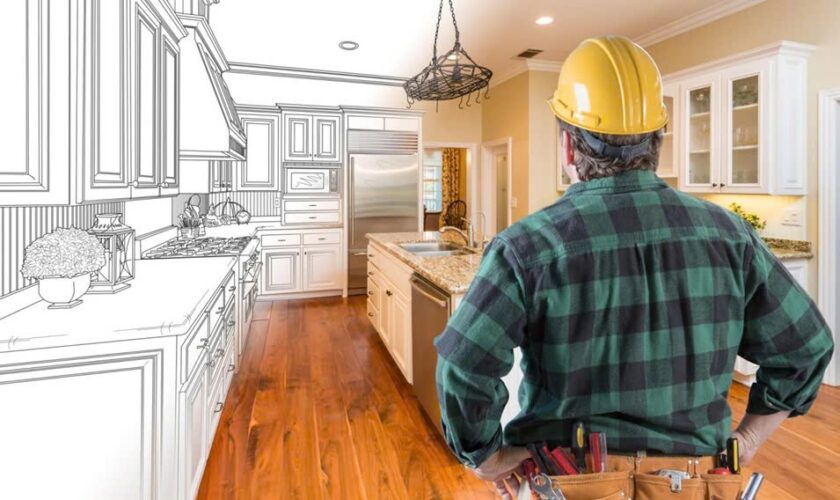
Nine Guidelines for Selecting Appropriate Kitchen Remodeling Contractor

Starting a kitchen remodeling project can be exhilarating yet also intimidating. Choosing the correct Bespoke Kitchens remodeling company will help you to reach your intended outcomes whether your area needs modernizing or enhancement of functionality. These ten simple pointers should help you choose the finest contractor for your kitchen makeover.

  • Analyze Your Objectives for Kitchen Remodeling

Specify exactly what you want from your kitchen makeover. Do you just need little adjustments or are you looking for a total makeover? Think about how you use your kitchen every day and what tweaks can improve your dining and cooking experience. Knowing your objectives will enable you to adequately present your vision to possible contractors.

  • Create a Reasonable Budget

One must first understand the expenses of a kitchen makeover. Investigate local average kitchen renovation prices and create a reasonable budget. Always keep in mind including a contingency fund for unanticipated costs. A clear budget will enable you to reduce your options and prevent future financial shocks.

  • Investigatory Potential Contractors

Ask neighbors, friends, and family first for suggestions. Personal referrals can offer insightful analysis of consumer service and work quality. Use internet tools including review websites and social media to also locate trustworthy builders in your neighborhood. Search for contractors with constantly excellent ratings and good comments.

  • Assess Knowledge and Experience

In kitchen redesign, experience counts greatly. Seek out contractors with a solid portfolio of finished projects that have been in business for several years. An experienced contractor will be more suited to meet unforeseen difficulties and produce excellent output.

  • Examine Portfolio and Previous Work

A contractor’s portfolio might reveal their style and capacity. Examine past projects to evaluate whether their output fits your vision. Search for regularity in attention to detail and quality. A varied portfolio including several styles and solutions can represent a flexible and competent contractor.

  • Guarantee of Effective Communication

The success of a remodeling project depends mostly on good communication. Find out how well the contractor answers your inquiries and listens to your ideas in the first sessions. A competent contractor should be able to thoroughly describe the procedure and give regular updates all during the project.

  • Review Insurance and Licenses

Make sure the contractor you decide on is correctly insured and licensed. State-by-state licensing rules differ; so, find your local rules. Effective insurance shields you from responsibility should an accident or damage occur during the project. Before signing any contracts, ask for evidence of both insurance and license.

To find whether the pricing appears reasonable, make sure you obtain quotes from several companies. Remember too that the cheapest is not always the best. The kitchen makeover business you choose should break out the labor, supplies, and services required completing your kitchen job.

A kitchen contractor with the correct credentials will make all the difference in realizing your ideal kitchen.

Conclusion

Projects involving remodeling sometimes surprise you. Including a contingency in your budget and schedule helps you to budget for possible delays and unanticipated expenses. Talk to your contractor about how they deal with unanticipated problems and make sure their procedure for handling extra expenses and change announcements is clear-cut.

read more
Home

Emergency Roofing Repairs: What to Do When Disaster Strikes

Roof damage can happen when you least expect it. Storms, strong winds, or even falling debris can create issues that require immediate attention. Left unattended, these problems can escalate, leading to costly structural damage and safety hazards.

If you’re in Australia, understanding what steps to take during a roofing emergency is crucial. Here’s a concise guide to help you act quickly and secure your home or business.

  1. Ensure Safety First

Your safety should always be the top priority during a roofing emergency. If you notice severe structural damage, such as falling tiles or water leaks, evacuate the property if necessary. Avoid attempting to fix anything during a storm or high winds, as the roof could still pose risks.

  1. Identify and Assess the Damage

Once the weather has calmed and it’s safe to do so, inspect the affected area. Look for:

  • Missing or broken tiles
  • Damaged flashing near chimneys or vents
  • Visible signs of water leaks or pooling in your ceiling

This initial assessment will help you communicate the extent of the damage when engaging professionals.

  1. Temporarily Mitigate Damage

If water is entering your property, take immediate steps to control it. Use buckets to catch leaks and move furniture or belongings out of harm’s way. If accessible, use a tarp or waterproof covering to shield exposed sections of the roof temporarily.

  1. Contact Roofing Professionals

Promptly reaching out to a professional roofing service is essential for proper repairs. Emergency services often include inspections and temporary fixes to prevent further damage. Make sure the professionals are experienced in Australian weather conditions and regulations for roofing standards.

  1. Document the Damage

Take photos and write down details about the damage. This documentation may be valuable for insurance purposes and will assist the roofing professionals you hire.

  1. Notify Your Insurance Provider

Many home insurance policies in Australia cover roof damage caused by unexpected events like storms. Contact your insurer as soon as possible to lodge a claim. Be prepared to share the documentation and details from your inspection.

  1. Plan for Permanent Repairs

After emergency measures have been taken, schedule permanent repairs. Skilled professionals will inspect your roof more thoroughly, ensuring all underlying issues are resolved. Materials that comply with Australian safety standards should always be used to guarantee quality and long-term durability.

Proper maintenance is also key to preventing future emergencies. Regular inspections, particularly before and after the storm season, can help identify potential risks early.

By taking these steps for emergency roofing repairs, you can better protect your property and minimise damage. And remember, professionals like PRC Building Services have the expertise you need to address roofing emergencies efficiently and safely.

read more
Home

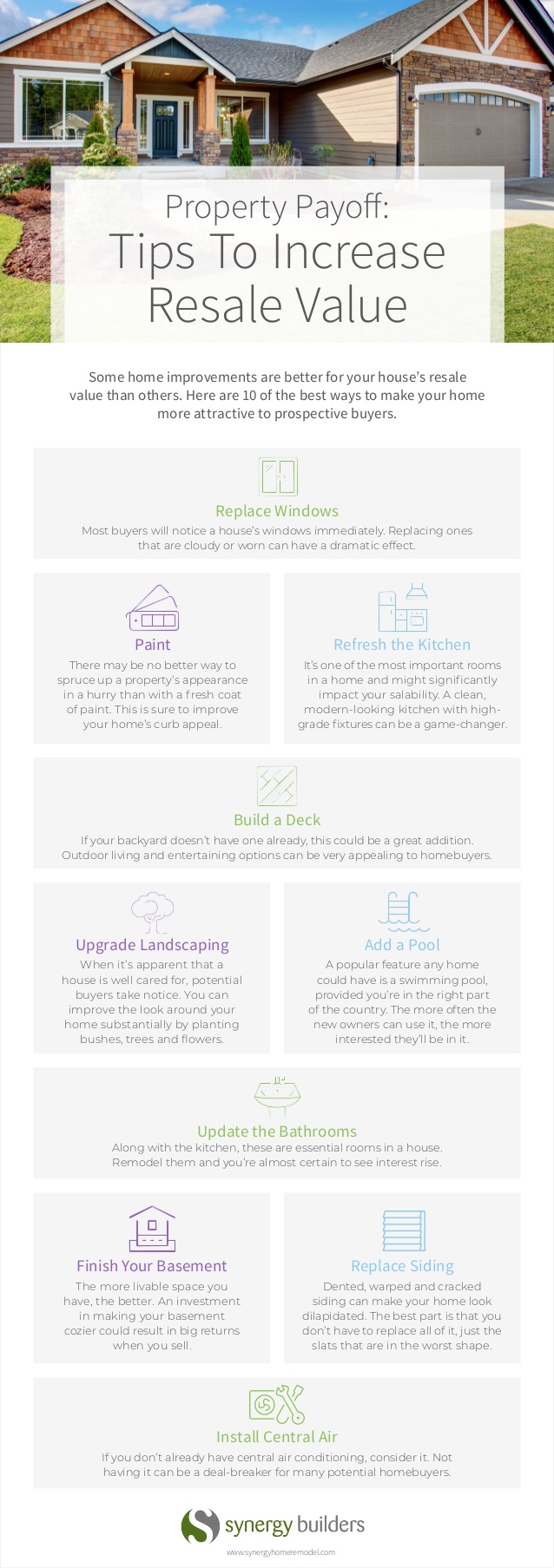
Enhancing Resale Value Through Strategic Home Upgrades

Investing in home improvements not only elevates your living experience but also enhances your property’s market value. To make the most of your efforts, it’s essential to focus on upgrades that appeal to buyers and offer the best return on investment. Here’s how to approach your next project with resale value in mind.

Prioritize Buyer-Friendly Renovations

While customizing your home to suit your preferences is tempting, it’s important to think long-term. A renovation tailored to your needs—like converting a guest bedroom into a home gym—might not align with the desires of potential buyers. Opt for upgrades with universal appeal to ensure your property caters to a broad audience.

Focus on Space and High-Impact Areas

Creating more functional living space is a surefire way to boost your home’s value. Consider finishing a basement, upgrading an attic, or adding modest expansions to increase square footage.

Kitchens and bathrooms are among the most scrutinized spaces for buyers. Small but impactful updates, such as installing new lighting, replacing hardware, or upgrading to modern appliances, can refresh these areas and make your home more attractive to prospective buyers.

Think Ahead and Stay Market-Savvy

Aligning your renovations with market trends is crucial for maximizing resale value. Simple, cost-effective changes—like updating landscaping, applying neutral paint colors, or adding energy-efficient features—can significantly enhance your property’s appeal. These upgrades often provide an excellent return on investment while keeping renovation costs manageable.

To gather additional insight into how to make any Wheaton remodels more profitable by strategically improving your home’s value, refer to the detailed checklist provided.

read more
Home

How Decluttering Can Improve Every Aspect of Your Life

Clutter isn’t just a household issue—it’s a lifestyle challenge with far-reaching effects on your health and finances. If your home feels more chaotic than calming, it’s time to consider the benefits of decluttering.

The average home contains hundreds of thousands of items, many of which are unused. These objects don’t just take up space—they collect dust and allergens, triggering health issues like asthma and allergies. Cluttered spaces also pose safety risks, increasing the likelihood of falls or injuries.

Mentally, clutter can be overwhelming. Studies consistently link disorganized environments to higher stress and anxiety levels, which impact overall happiness and productivity. Financially, clutter can be draining, as the stress it creates often leads to impulse buying, compounding the problem.

Start decluttering by focusing on one area at a time, categorizing items into “keep,” “donate,” and “discard” piles. Be honest about what you truly need and value. If the task feels daunting, professional help via Dallas junk pickup can make a world of difference, ensuring the process is efficient and thorough.

Decluttering goes beyond tidying up—it’s about reclaiming control over your space and your life. By prioritizing regular cleanouts and adopting mindful habits, you can enjoy a healthier home, lower stress, and better financial clarity.

read more
Home

Cleaning Products and Safety: How to Protect Your Home and Family

Cleaning products are indispensable for keeping homes spotless and germ-free. However, beneath their convenience lies a lesser-known reality: these products often contain toxic chemicals that can pose risks if not handled with care. While they promise hygiene and cleanliness, improper use or storage can lead to significant health and safety issues.

The risks associated with cleaning chemical packaging products primarily stem from their chemical composition. Many contain harsh ingredients like bleach, ammonia, or acids, which can become hazardous when improperly stored or combined. Exposure to these chemicals may cause respiratory problems, skin irritation, or even chemical burns. In some cases, dangerous reactions can occur, such as the release of toxic gases when bleach mixes with ammonia-based cleaners.

To ensure household safety, it’s essential to follow proper storage practices. Secure all cleaning supplies in cabinets with locks or place them on high shelves out of reach of children and pets. Always keep products in their original containers to maintain clear labeling and usage instructions. This reduces the risk of accidental misuse or mixing incompatible substances.

Another critical step is understanding and managing chemical interactions. Never store reactive substances like bleach and ammonia near each other. For additional safety, consider using storage bins to separate products by category, ensuring potential accidents are minimized.

Proper ventilation in storage areas is another key factor. Cleaning chemicals can emit harmful vapors even when not in use. Storing them in well-ventilated areas reduces the risk of fume buildup. If possible, designate a specific area for cleaning supplies that is cool, dry, and ventilated.

Beyond storage, consider adopting a more sustainable approach to cleaning by incorporating eco-friendly products. Many natural alternatives, like vinegar, baking soda, or plant-based cleaners, are effective while posing far fewer risks to health and the environment. Transitioning to these options can reduce your household’s chemical exposure and create a safer living environment.

Education is the cornerstone of safe cleaning practices. Take time to familiarize yourself with the labels on your cleaning products, and teach family members, especially children, about the importance of using and storing these items correctly. Regularly decluttering and responsibly disposing of expired or unused products can further enhance safety.

By prioritizing safety and awareness, households can strike a balance between cleanliness and health. A proactive approach to handling cleaning products ensures your home remains not only sparkling but also a secure haven for your loved ones.

read more
1 2 3 4 5 22
Page 3 of 22