Cleaning products are indispensable for keeping homes spotless and germ-free. However, beneath their convenience lies a lesser-known reality: these products often contain toxic chemicals that can pose risks if not handled with care. While they promise hygiene and cleanliness, improper use or storage can lead to significant health and safety issues.
The risks associated with cleaning chemical packaging products primarily stem from their chemical composition. Many contain harsh ingredients like bleach, ammonia, or acids, which can become hazardous when improperly stored or combined. Exposure to these chemicals may cause respiratory problems, skin irritation, or even chemical burns. In some cases, dangerous reactions can occur, such as the release of toxic gases when bleach mixes with ammonia-based cleaners.
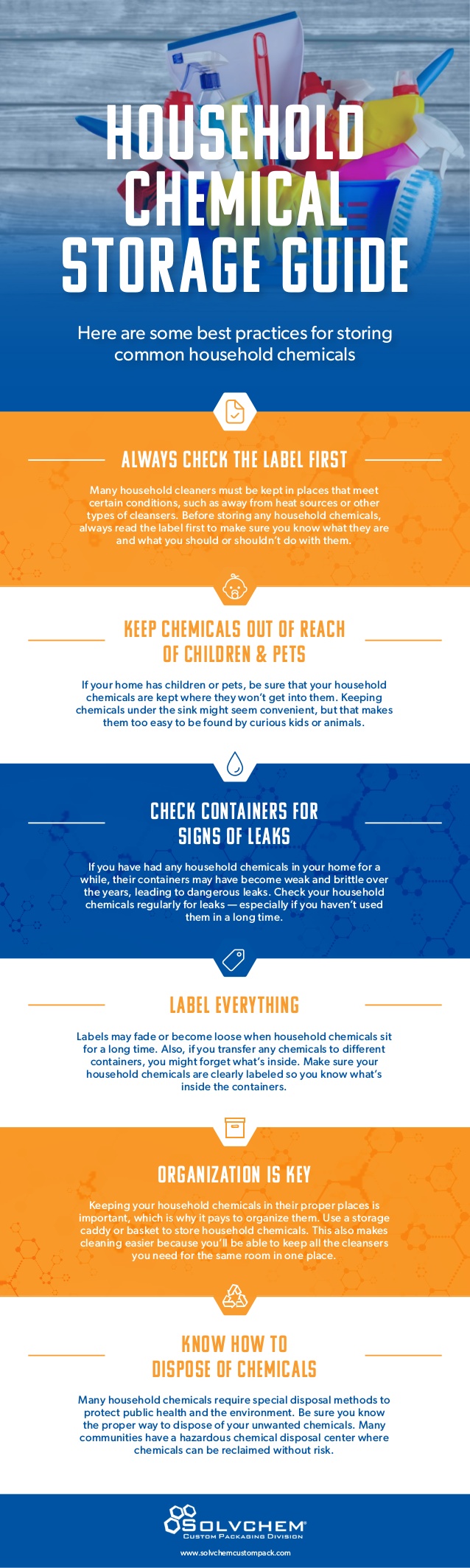
To ensure household safety, it’s essential to follow proper storage practices. Secure all cleaning supplies in cabinets with locks or place them on high shelves out of reach of children and pets. Always keep products in their original containers to maintain clear labeling and usage instructions. This reduces the risk of accidental misuse or mixing incompatible substances.
Another critical step is understanding and managing chemical interactions. Never store reactive substances like bleach and ammonia near each other. For additional safety, consider using storage bins to separate products by category, ensuring potential accidents are minimized.
Proper ventilation in storage areas is another key factor. Cleaning chemicals can emit harmful vapors even when not in use. Storing them in well-ventilated areas reduces the risk of fume buildup. If possible, designate a specific area for cleaning supplies that is cool, dry, and ventilated.
Beyond storage, consider adopting a more sustainable approach to cleaning by incorporating eco-friendly products. Many natural alternatives, like vinegar, baking soda, or plant-based cleaners, are effective while posing far fewer risks to health and the environment. Transitioning to these options can reduce your household’s chemical exposure and create a safer living environment.
Education is the cornerstone of safe cleaning practices. Take time to familiarize yourself with the labels on your cleaning products, and teach family members, especially children, about the importance of using and storing these items correctly. Regularly decluttering and responsibly disposing of expired or unused products can further enhance safety.
By prioritizing safety and awareness, households can strike a balance between cleanliness and health. A proactive approach to handling cleaning products ensures your home remains not only sparkling but also a secure haven for your loved ones.