Decor Tips

Decor Tips

Open-Plan Living: Interior Design Strategies for Cohesive Zones

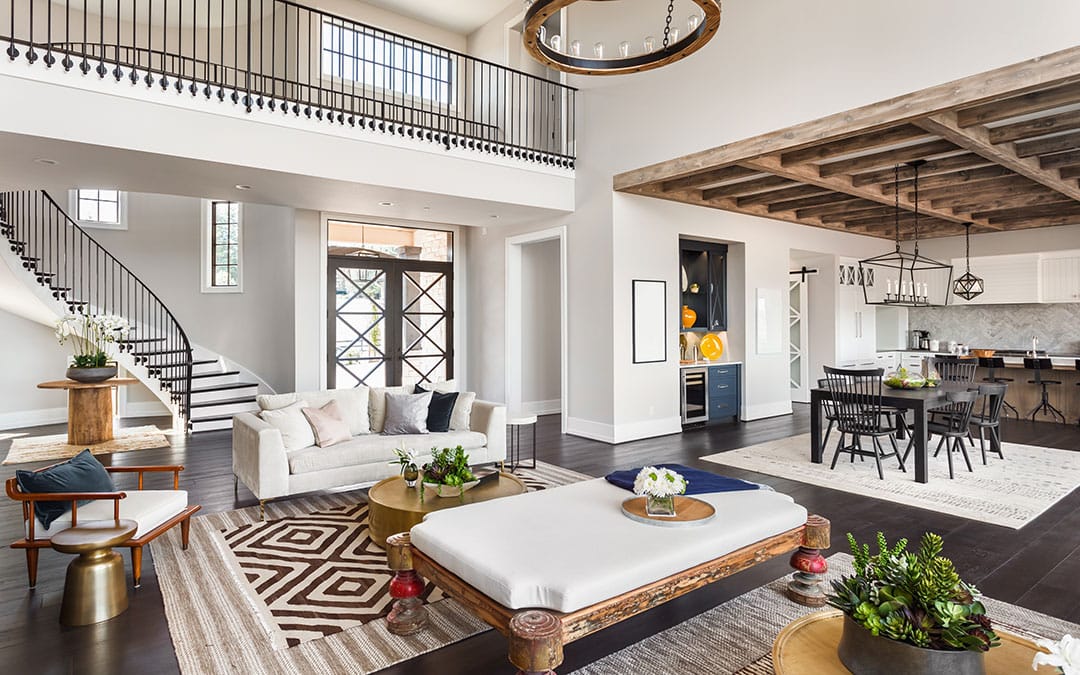
The concept of open-plan living has fundamentally shifted how we interact with our homes. By removing walls that once partitioned cooking, dining, and relaxing areas, architects and designers have created spaces that feel lighter, larger, and more socially connected. However, the absence of physical barriers often introduces a new design challenge: how to maintain a sense of order and purpose in a massive, undivided room. Without careful planning, an open-plan space can quickly feel like an unorganized furniture warehouse. Successful open-plan design relies on creating distinct functional zones that feel separate enough for their specific use while remaining visually linked through a cohesive design thread.

Establishing Visual Continuity

The most important step in managing an open-plan layout is ensuring that the disparate zones share a common language. If the living room features dark, moody industrial decor while the kitchen embraces a bright, coastal aesthetic, the eye will struggle to find a place to rest. You must develop a unifying color palette that flows throughout the entire expanse.
You do not need to use the exact same color in every corner, but you should stick to a consistent base of neutrals that tie the zones together. From there, you can introduce accent colors that evolve as you move through the space. For example, a navy blue sofa in the living area can be echoed by navy cabinet hardware in the kitchen and a navy patterned runner in the dining area. This repetition signals to the brain that these spaces belong together, creating a sense of harmony that allows the room to breathe.

Defining Zones Without Walls

Once you have established visual continuity, the next challenge is to clearly define where one zone ends and another begins. Since you cannot rely on walls to provide these boundaries, you must use furniture, flooring, and lighting to create “virtual” partitions.

Rugs as Anchors

Area rugs are the most effective tool for grounding furniture arrangements. A large rug placed under the living room sofa, coffee table, and armchairs creates an immediate “room within a room” effect. By keeping all the furniture feet on the rug, you visually contain the conversation area. Conversely, leaving the floor bare between zones helps define the transition, suggesting a natural walking path that prevents the space from feeling cramped.

Furniture Placement

The backs of sofas, console tables, and bookcases act as excellent room dividers. Placing a sofa with its back toward the dining area creates a solid barrier that separates the two zones without blocking light or sightlines. A slim console table placed behind the sofa provides a surface for books or lamps, adding a functional layer that reinforces the edge of the living zone.

Ceiling and Lighting Treatments

Lighting is a powerful way to denote function. A grand pendant chandelier over the dining table makes that area feel intimate and special, while recessed lighting can provide the ambient glow needed for the kitchen. By using different lighting types for different zones, you create a hierarchy of spaces that tells the inhabitants exactly what that section of the room is intended for.

Balancing Function and Aesthetics

An open-plan home is often the hub of family activity, which means it must be highly functional as well as beautiful. The biggest mistake in large, open spaces is clutter. Because the entire floor is visible at once, any stray toys, piles of mail, or dishes in the sink can dominate the entire visual field.
Prioritize closed storage solutions that blend into the wall color. Floor-to-ceiling cabinetry or built-in media units allow you to hide the necessities of daily life, keeping the sightlines clear. When selecting furniture, opt for pieces that offer storage, such as ottomans with lift-up tops or dining benches with internal compartments. This reduces the need for secondary storage units that can clutter the walkways between your zones.

The Role of Scale and Proportion

In a large open-plan room, furniture that is too small can look like it is floating aimlessly. You need to choose pieces that have enough physical presence to hold their own in a wide-open area. A single, delicate side chair in a large room will look lost, but a substantial section sofa or an oversized dining table provides the visual weight necessary to anchor the space.
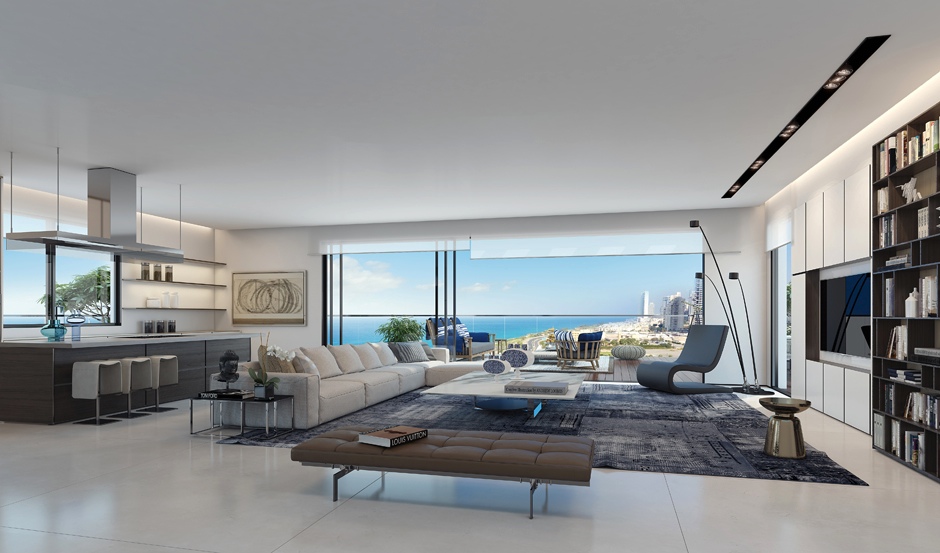
Consider the flow of traffic. You should be able to move from the kitchen to the dining room and then to the living room without maneuvering around sharp corners or tight bottlenecks. Keep the walkways clear and ensure that your furniture arrangement follows the natural lines of the architecture. If your home has a large window wall, orient your living room layout toward the light, ensuring that the furniture supports the view rather than fighting against it.

Introducing Texture and Variety

While unity is essential, it is equally important to prevent the space from becoming boring. You achieve this by layering textures. In an open-plan room, the floor is usually a significant feature because it spans the entire space. If you have the same flooring throughout, you can add texture through your rugs, window treatments, and upholstery.
Use different fabrics to differentiate the zones. Perhaps the living room features plush velvet upholstery for comfort, while the dining area utilizes crisp, easy-to-clean leather chairs. The contrast between these materials adds depth and interest without disrupting the overall color scheme. Consider the wall finishes as well. A feature wall with wood paneling or an interesting wallpaper behind the dining table can mark that area as distinct from the living room, adding a layer of architectural detail that prevents the walls from feeling like a continuous, endless tunnel.

Managing Acoustics in Large Spaces

One common complaint in open-plan homes is noise. Without walls to absorb sound, the clatter of pots and pans in the kitchen can easily drown out conversation in the living room. Soft furnishings are your best defense against echoes. Incorporate heavy curtains, area rugs, throw pillows, and even upholstered wall panels to absorb sound. These elements not only make the room feel cozier but also act as acoustic buffers that improve the comfort of the space for everyone.

Frequently Asked Questions

How can I make an open-plan space feel more intimate?

Use lighting to create pools of warmth, incorporate tall plants to provide vertical interest, and arrange furniture in circular or conversational groupings rather than pushing everything against the perimeter walls.

Is it a bad idea to use different flooring materials in an open-plan area?

While consistent flooring creates a larger, more seamless look, using different materials like tile in the kitchen and hardwood in the living area can effectively define the boundaries of each zone. Just ensure the transition strips are flush and the colors complement each other.

What is the best way to hide kitchen clutter from the living area?

Incorporate a kitchen island with a raised breakfast bar that acts as a visual shield, or use floor-to-ceiling pantry cabinets to store appliances out of sight when not in use.

How can I maintain a cohesive style if I enjoy multiple design aesthetics?

Choose a neutral color foundation to hold the space together, then express your diverse interests through accessories, artwork, and small decorative items that can be grouped within specific zones.

Should all my furniture in an open-plan room be from the same collection?

Mixing pieces from different eras or styles is often more visually interesting than using a matching set. As long as the scale, color, and texture of the pieces relate to one another, they will work together successfully.

How do I define a home office zone in an open-plan living room?

Use a dedicated rug for the desk area, choose a desk that fits the aesthetic of your living room furniture, and use a floor lamp or a focused pendant light to separate the workspace from the lounge area.

How do I stop my large living room from feeling like a waiting room?

Use rugs and lighting to create defined groupings, bring in varying heights with bookshelves and plants, and ensure that the back of your primary sofa serves as a clear border for the room.
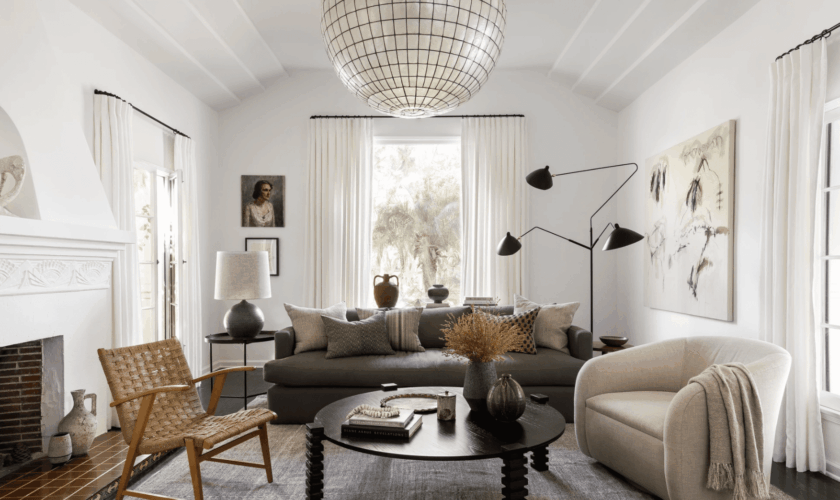
read more
Decor Tips

Easy Seasonal Decor Tips for a Quick Home Refresh

Refreshing your living space does not require a massive renovation budget or an entire weekend of heavy lifting. Shifting the mood of your home to match the changing seasons can be achieved through small, intentional swaps that breathe new life into stale rooms. By focusing on textiles, natural elements, scent, and color accents, you can transform your environment with minimal effort and maximum impact. Updating your home throughout the year becomes an enjoyable ritual rather than a chore when you rely on modular decor pieces that are easy to store and quick to style.

The Power of Textile Swaps

The fastest way to alter the personality of a room is by changing out soft furnishings. Heavy wool blankets and dark velvet pillows work wonders during freezing winter months, but they feel stifling and out of place when the weather turns warm. Swapping these heavy items out for lighter alternatives instantly shifts the visual weight of your furniture.
  • Spring and Summer Swaps: Introduce breathable fabrics such as linen, cotton gauze, and lightweight canvas. Opt for pastel hues, crisp whites, or botanical prints that reflect the blooming outdoors.
  • Fall and Winter Swaps: Layer in chunky knit throws, faux fur accents, and rich flannel pillow covers. These textures invite you to curl up and naturally make the room feel physically warmer.
Pillow covers take up very little storage space in a closet compared to entire pillows. Buying a set of high-quality insert pillows and simply rotating the outer covers with each season saves money and storage clutter.

Bringing the Outdoors Inside

Nature provides the most authentic seasonal cues, and integrating organic elements connects your indoor space directly to the current time of year. Fresh greenery and natural textures ground a room and add organic movement that manufactured decor simply cannot replicate.
During spring and summer, head outside and clip branches from flowering fruit trees, forsythia, or fresh eucalyptus to place in a tall glass vase. Potted herbs on the kitchen windowsill add both a fresh aroma and functional culinary appeal. When autumn arrives, transition to dried wheat stalks, colorful fallen leaves, winter squash, and branches laden with berries. For winter, pine boughs, birch logs, and bare sculptural branches dusted with faux snow create a serene woodland aesthetic.

Swapping Out Artwork and Photographs

Many people hang art on their walls and leave it in the exact same spot for decades. However, frames are easy to update, and changing what you display on your walls alters the atmosphere of a room instantly.
You do not need to invest in expensive paintings for every seasonal shift. Instead, use frames with removable backs and print out seasonal photography, botanical illustrations, or watercolor prints on standard cardstock at home. Hang bright, sun-drenched landscapes or floral prints during the warm months, and switch to moody architectural sketches, rich oil paintings, or vintage black-and-white photography when the weather cools down. This minor change forces the eye to notice new details and keeps your walls from feeling static.

Utilizing Seasonal Scents and Lighting

Decorating is a multisensory experience that extends far beyond what you can see. The scent of a room and the quality of its illumination dictate how cozy or refreshing a space feels to anyone who walks through the front door.
Adjusting your home fragrance to match the calendar creates an immediate psychological shift. Light crisp scents like citrus, sea salt, and fresh cut grass during the spring and summer months. Transition to warm, grounding aromas like cinnamon, clove, amber, and crushed pine when autumn and winter arrive. Similarly, modify your lighting by swapping out heavy lampshades or adding twinkling string lights during the darker winter evenings, while maximizing natural sunlight through sheer, unobstructed window treatments in the summer.

Styling Entryways and Mantelpieces

Focal points like entry consoles, bookshelves, and fireplace mantels act as the anchor points of a room. Rather than completely overhauling an entire living area, focus your energy on restyling these specific micro-zones.
Keep a dedicated tray on your entryway table that acts as a seasonal staging ground. In autumn, fill it with mini pumpkins, a small dish for keys, and a scented candle. In spring, replace those items with a shallow ceramic bowl of smooth river stones, a small potted succulent, and a woven basket for sunglasses. By concentrating your styling efforts on these high-impact surfaces, you achieve a dramatic visual refresh in under ten minutes.

Frequently Asked Questions

How can I store seasonal decor efficiently without taking up too much closet space?

Store soft textiles like pillow covers and lightweight throws in vacuum-sealed plastic bags, and pack fragile seasonal items in clearly labeled stackable plastic bins on high closet shelves or under the bed.

What is the most budget-friendly way to update my home decor for a new season?

Focus on items you can forage from nature, such as branches, leaves, and wildflowers, combined with printable art that you frame yourself using existing picture frames.

How often should I change my home decor to match the seasons?

Transitioning your decor four times a year aligns with the astronomical seasons, though many homeowners prefer a simpler biannual switch between warm-weather and cold-weather aesthetics.

Can I mix decor items from different seasons without making the room look cluttered?

Stick to a neutral base palette for your large furniture and permanent fixtures, which allows you to layer in seasonal pops of color and texture without overwhelming the space.

What are the best ways to incorporate seasonal decor in a small apartment?

Utilize vertical wall space with changeable frames, swap out hand towels and scatter pillows, and keep decorative accents confined to small surfaces like trays or tabletops.

How do I transition my home decor smoothly between late summer and early autumn?

Introduce transitional elements like deep amber glassware, rust-colored linen napkins, and dried decorative grasses that bridge the gap between warm summer tones and cozy autumn warmth.
read more
Decor Tips

Lighting Decor Tips to Create Warmth and Ambiance

Transforming a cold or sterile house into a welcoming home relies heavily on how you illuminate the space. Overhead lighting often casts harsh shadows and flattens room dimensions, making it difficult to relax after a long day. Shifting your focus toward layered illumination introduces depth, comfort, and a distinct mood that instantly changes how a room feels. Mastering domestic illumination requires careful planning, an understanding of color temperature, and thoughtful placement of fixtures to build spaces that feel genuinely inviting.

Understanding Color Temperature for Cozy Spaces

The foundation of a warm interior begins with the color temperature of your light bulbs, measured in Kelvin. Higher Kelvin numbers produce cool, bluish light that mimics harsh daylight, which suits offices or garages but ruins relaxation spaces. To foster a cozy environment, select bulbs that fall between 2200K and 2700K. This range emits a soft, golden glow similar to traditional incandescent bulbs and flickering candlelight.
  • 2200K to 2400K: Delivers an ultra-warm, amber hue ideal for bedrooms, intimate dining areas, and decorative accent fixtures.
  • 2700K: Offers a warm white light that works well in kitchens and living rooms without straining the eyes or altering skin tones unnaturally.
  • Frosted Glass Bulbs: Diffuse the light output evenly, preventing the harsh glare that clear glass bulbs often produce.
Avoiding daylight bulbs in living areas is crucial if your goal is warmth. Even if a room receives abundant natural sunlight during the afternoon, replacing your evening bulbs with warm alternatives ensures a smooth transition into night, signaling your body to unwind.

The Power of Layered Illumination

Relying on a single ceiling fixture creates a flat and uninspired environment. Professional designers always rely on the three-layer approach to build visual interest and flexibility:

Ambient Illumination

Ambient illumination provides the overall background glow for a room. Instead of turning on blinding ceiling fan lights, use dimmable flush mounts, chandeliers, or wall sconces equipped with dimmer switches. Dimmers are essential tools because they allow you to adjust the brightness level depending on the time of day and the desired atmosphere.

Task Illumination

Task illumination focuses light on specific functional areas where you perform activities such as reading, cooking, or working. Desk lamps in home offices, under-cabinet LED strips in kitchens, and reading lights beside armchairs fall into this category. Choosing adjustable lamps lets you direct the illumination precisely where it is needed while maintaining a cozy shadow play in the rest of the room.

Accent Illumination

Accent illumination highlights architectural features, artwork, or prized collectibles. Picture lights, uplights placed behind large indoor plants, and LED tape hidden inside bookshelf recesses draw the eye to specific focal points. This technique breaks up monotony and adds architectural depth to plain walls.

Strategic Placement and Fixture Selection

Where you position your light sources matters just as much as the fixtures themselves. Placing every light source at eye level creates visual clutter and a blinding environment. Instead, distribute illumination at varying heights throughout the room.
Floor lamps placed in dark corners bounce light off walls and open up tight spaces. Table lamps with ceramic or textured fabric shades filter light downward and outward, creating pools of warmth on side tables and consoles. Sconces mounted at varying heights along hallways or flanking a fireplace create a rhythmic pattern that draws people through the home naturally.

Incorporating Secondary Light Sources

Beyond traditional lamps and hardwired fixtures, secondary light sources introduce organic charm and flexibility.
  • Candles and Lanterns: Real wax candles or high-quality battery-operated pillar candles flickering inside glass lanterns introduce natural movement and soft shadows that electric bulbs cannot replicate.
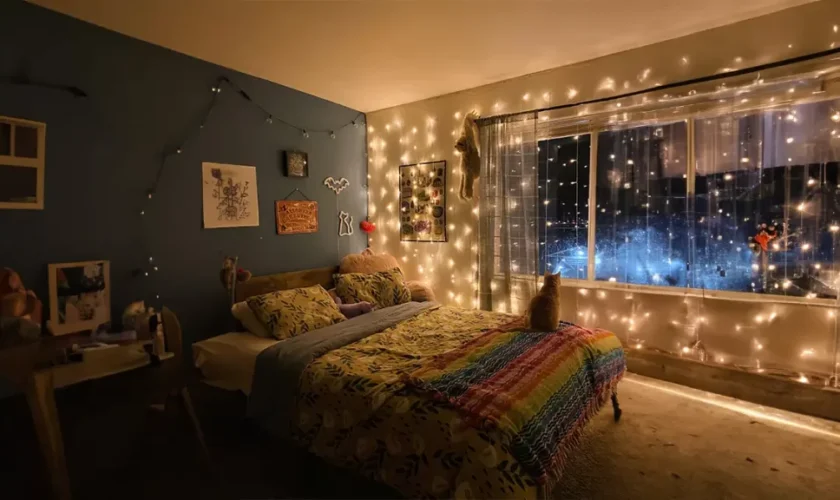
  • Fairy and String Lights: Draping delicate warm-white string lights along a headboard, behind sheer curtains, or inside large glass vases adds a whimsical touch without looking juvenile.
  • Fireplaces: Utilizing a wood-burning, gas, or electric fireplace anchors a room, providing both physical warmth and a mesmerizing visual focal point.
Grouping these alternative sources together creates cozy vignettes that make large rooms feel intimate and approachable.

Choosing the Right Lampshades

Lampshades do more than just cover hardware; they dictate how light interacts with your living space. Selecting the wrong material can trap too much light or let through an uncomfortable glare.
Fabric shades made from linen, burlap, or heavy cotton diffuse illumination softly, casting a gentle glow across the room. Darker exterior shades lined with gold or copper foil inside bounce warm, reflective tones outward, amplifying the cozy effect. Glass shades should feature frosted, seeded, or smoked finishes to soften the intensity of the bulb filament. Avoid stark white plastic shades, as they tend to look clinical and project cold light.

Frequently Asked Questions

What color temperature is best for creating a cozy living room?

Bulbs rated between 2400K and 2700K provide the ideal warm, golden hue necessary for a relaxing living room environment.

How can I make a dark room feel brighter without using harsh lights?

Incorporate multiple low-wattage floor and table lamps distributed around the perimeter of the room, and place mirrors opposite windows to reflect and amplify natural daylight.

Are smart bulbs effective for setting a warm home ambiance?

Smart bulbs offer exceptional versatility because they allow you to program custom color temperatures, schedule automated dimming routines, and adjust brightness levels from your phone.

How do I prevent my home from looking flat and unlit?

Adopt a multi-layered approach by combining ambient overhead fixtures, localized task lamps, and accent lights that highlight specific textures or artwork at different heights.

What type of lampshades diffuse light the best?

Woven natural fibers, heavy linen fabrics, and frosted or amber-tinted glass shades yield the softest and most evenly distributed illumination.

How can I use lighting to make a large room feel more intimate?

Position low-level accent lamps in corners, use warm-toned floor lamps to create pools of light, and dim your primary overhead fixtures to shrink the perceived scale of the space.
read more
Decor Tips

Advanced Decor Tips That Transform Spaces Without a Renovation

Interior décor has evolved far beyond matching cushions and color-coordinated curtains. Today’s most compelling spaces are layered, intentional, and rooted in design psychology rather than trends. This guide explores advanced decor strategies used by designers to reshape how a space feels, functions, and flows—without falling into generic or beginner advice.

If you’re looking to elevate an already well-furnished home, these decor tips focus on precision, depth, and spatial storytelling, not surface-level styling.

Design With Negative Space as a Feature, Not a Gap

One of the most overlooked advanced decor techniques is intentional emptiness. Negative space is not “unused” space—it’s a visual pause that allows focal elements to breathe.

How to Apply Negative Space Strategically

  • Limit statement pieces per wall to one dominant visual anchor

  • Leave at least 30–40% of surfaces unfilled in high-traffic rooms

  • Use blank walls to frame architectural features or art rather than filling them reflexively

Negative space increases perceived luxury because it signals confidence in design choices rather than excess.

Build a Multi-Layered Lighting Ecosystem

Lighting should never be a single-source decision. Advanced decor relies on light layering, where each source has a distinct role.

Core Lighting Layers to Integrate

  • Ambient lighting for general illumination

  • Task lighting for functional zones (reading, cooking, grooming)

  • Accent lighting to highlight textures, art, or architectural depth

Pro Tip

Use warm accent lights (2700K) against cooler ambient lighting to create contrast and dimensional warmth without repainting walls.

Treat Texture as a Color Substitute

Advanced decor doesn’t rely solely on color palettes. Texture layering can achieve richness even in monochrome spaces.

High-Impact Texture Pairings

  • Matte plaster walls with polished stone surfaces

  • Bouclé upholstery against smooth leather

  • Natural wood grain paired with brushed metal

Instead of adding more colors, vary surface finishes to create visual interest that ages gracefully.

Design Furniture Layouts for Movement, Not Symmetry

Perfect symmetry can make a room feel staged rather than lived-in. Sophisticated interiors prioritize circulation flow over visual balance.

Layout Strategies That Elevate a Room

  • Angle seating slightly to encourage conversation

  • Offset coffee tables or side chairs intentionally

  • Maintain clear walking paths of at least 36 inches

This approach enhances comfort and makes spaces feel intuitive rather than rigid.

Use Color Temperature to Define Emotional Zones

Instead of assigning colors room by room, advanced decor uses color temperature to guide mood transitions within a single space.

Emotional Mapping Through Color

  • Cooler undertones for focus areas like offices or kitchens

  • Warmer undertones for relaxation zones

  • Neutral buffers in transitional spaces

This technique works especially well in open-plan homes, where visual zoning matters more than walls.

Curate Art Like a Gallery, Not a Collection

Art should anchor a space emotionally, not just fill walls. Advanced decor treats art placement with museum-level intentionality.

Art Placement Principles

  • Hang art at eye level (57–60 inches from floor to center)

  • Use fewer, larger pieces instead of clusters

  • Allow at least 6–8 inches of breathing room around each piece

Well-placed art becomes part of the architecture rather than decoration.

Mix Design Eras With a Unifying Element

The most refined interiors blend eras seamlessly rather than committing to a single style.

How to Mix Without Chaos

  • Combine one dominant era with subtle accents from another

  • Use a unifying material (wood tone, metal finish, or color)

  • Keep silhouettes consistent even if periods differ

For example, a mid-century sofa can coexist with contemporary lighting if the color temperature and scale align.

Elevate Storage Into Visual Architecture

Storage doesn’t need to disappear—it can become a design feature.

High-Level Storage Decor Ideas

  • Floor-to-ceiling shelving that frames a wall

  • Built-in cabinets with contrasting interiors

  • Open storage balanced with concealed compartments

This approach adds rhythm and structure while maintaining practicality.

Incorporate Scent and Acoustics Into Decor Decisions

True luxury decor engages all senses, not just sight.

Sensory Enhancements That Matter

  • Layered textiles to soften sound reflection

  • Natural fibers that absorb excess noise

  • Subtle scent zoning using different aromas per area

These invisible elements significantly influence how a space is experienced over time.

Design for Aging Gracefully, Not Trends

Trend-driven decor often dates quickly. Advanced decor prioritizes timeless adaptability.

Future-Proofing Your Interior

  • Choose neutral foundations with replaceable accents

  • Invest in quality materials that patina well

  • Avoid overly thematic decor elements

A well-designed space should evolve naturally, not require reinvention every few years.

Balance Visual Weight Across the Room

Visual weight refers to how heavy an object feels, not how heavy it is.

How to Balance Visual Weight

  • Counter large furniture with negative space

  • Balance dark elements with light-reflective surfaces

  • Distribute bold colors evenly rather than clustering them

This ensures a room feels grounded rather than top-heavy or chaotic.

Make Transitional Spaces Intentional

Hallways, entryways, and stair landings are often neglected, yet they define first impressions.

Elevation Ideas for Transitional Areas

  • Statement lighting or sculptural mirrors

  • Narrow consoles with curated objects

  • Textured wall treatments or subtle color shifts

Treating these spaces seriously elevates the entire home’s design narrative.

Advanced Decor Is About Editing, Not Adding

The final and most important decor tip: restraint is a skill.

Before introducing anything new, ask:

  • Does this add function or meaning?

  • Does it disrupt balance or flow?

  • Does it support the room’s emotional goal?

Often, removing one item has more impact than adding three.

Frequently Asked Questions

How can I make my home feel more luxurious without buying new furniture?

Focus on lighting layers, decluttering, and improving texture contrast. These changes dramatically affect perception without major purchases.

What’s the biggest mistake people make in advanced decor?

Overcrowding. Too many focal points dilute impact and reduce visual clarity.

Can minimalism still feel warm and inviting?

Yes. Warm lighting, natural textures, and thoughtful spacing prevent minimalism from feeling cold.

How do I choose statement pieces without overwhelming the room?

Limit yourself to one statement per visual zone and support it with neutral surroundings.

Is mixing multiple decor styles risky?

Not if you maintain consistency in scale, materials, or color temperature.

How often should decor be updated in a well-designed home?

Small seasonal changes are enough. Structural decor should remain relevant for years.

What’s the most underrated decor element?

Sound and scent. They profoundly affect comfort but are rarely planned intentionally.

read more
Decor Tips

Hot Interior Decor – Great Examines Budget Prices

I have been in your home re-modeling and flipping business for pretty much twenty years. In that time I’ve come across many fads and designs appear and disappear only one factor always continues to be the same. Staging your house for private comfort or setting it up ready for purchase could be a big chunk from your budget.

Globe decor adds an element of sophistication to any room. Whether you’re a travel enthusiast or just love unique items, globe decor is a perfect choice.

It does not need to be this way knowing how to get it done right. Decorating could be fun and incredibly affordable when you train yourself in things to look for and the way to search for it.

First, you’ll need to concentrate on what’s presently hot in your town. No, you don’t have to incorporate colors or styles you do not enjoy however, you can incorporate the present hot styles. Simply do it the right path!

Get a couple of current magazines about them, stay tuned to any or all the brand new decorating shows on television nowadays and obtain on the internet and see what’s selling. This gives an initial concept of what to do within the theme you want to produce in your house. If you’re able to locate them, visit a brand new housing development and find out the way they are staging their model homes. These folks get compensated big dollars to brighten plus they know what must be done to market houses.

I usually begin searching for decor and consignment and 2nd hands stores. You’ll be surprised what you could find there…especially around holidays once they try to contend with the large lot stores.

Obviously a great day garage saleing will invariably pay in spades if you’re patient. Sometimes you will have to perform a little beautifying however… you’ll save in a major way on the majority of products.

Next, have a look online such and Craigslist and Backpage. There will always be discounted prices here available but keep your eyes peeled. Stop wasting time! You are not the only person searching so create a practice of checking daily. It can save you a lot of money carrying this out.

Help you stay eye out for clearance sales and yet, see your favorite big lot store and get once the sales are coming. They’ll be happy to provide you with a manages about this one.

Finally check your local closeout and wholesale stores in your neighborhood. Sometimes there is also a great bargain but look for a little repair or paint is essential. Not a problem if you’re prepared to give it a try and spend less.

Hopefully these pointers can help enable you to get began and I will tell you that when you are the ball moving doing things by doing this you’ll find much more avenues to save. Many I haven’t got space to create about in this informative article however, you see what i mean.

Some time along with a little persistence and you can also completely redo your house and save up to 60% or even more on all of your projects. Happy hunting!

read more
Decor Tips

Decorating Ideas – Get Creative With Presented Art!

Lots of people believe that framing artwork is simply for defense and very little else, which frame designs are pretty standard with little room for creativeness. Are you aware that frames not just compliment the fine art but itself could be a thing of beauty? Here are various kinds of frames which you can use to include a little creativeness in your house decorating adventure.

Shadow Boxes

Shadow boxes are an easy way of giving your artwork a 3 dimensional effect. Any type of object can be put inside a shadow box – flowers, leaves, miniature models and origami are frequently healthy choices. Even conventional two dimensional pieces like works of art photos can be put in shadow boxes. Presenting art by doing this creates a fantasy of depth due to the shadows which are produced and this will make it a bit more interesting to check out. By convention, if you are likely to use shadow boxes to show art, keep everything small in dimensions. Use small pictures and artwork this can keep your viewer’s attention centered on the fine art and also the 3d results of the cisco kid box. As pointed out earlier within my other articles, you do not also have to hold art on the wall Place the cisco kid box on the side table in a room to ensure that visitors can also enjoy a detailed and detailed consider the display.

Color, Color and much more Color!

Intensify your art display having a bold mixture of colors. Combine the colour of the frame and matte to obtain the right balance. Remember that the colour from the matte also plays a role in the general presentation, so make sure to look for a matte color which will compliment the colour from the frame. Locating the perfect color match to match the nearby theme of your house could be a challenging task – a great tip would be to contrast using the surrounding wall and furniture in order to throw focus on the skill piece. For those who have a wall that’s light or pastel colored, select a frame and matte color that’s striking and shouts for attention. Allow it to stick out and become observed!

Wooden Frames

Wooden frames are available in a multitude of styles and may suit most decorating styles. Modern or contemporary, classic or rustic, it’s your choice. For wooden frames, you’ve a multitude of color shades to select from. Choose a light untreated frame for any rustic raw look or perhaps a dark plain shade for any clean contemporary flavor.

Ornately Created Frames

For those who have a decorating theme that borders around the Classical or Victorian, these types of frames could not become more perfect for your house. Ideal for family portraits and works of art, these frames provide very wealthy detail in intricate carvings which are a thing of beauty. Although a bit more costly, these kinds of frames works nicely if you are decorating together with antiques along with other ornaments.

Metal Frames

Metal frames are typical and affordable and simply lend themselves to many Home interior styles. These kinds of frames may be used to showcase any type of art, varying from landscape works of art to portraits to abstract art. With an array of colors to select from, the frame color could work well along with the colour of the matte and the fine art to accomplish the creative display. Black frames are ideal for black and white-colored art or photographs. The option of black is stylishly simple, and sits silently without anyone’s knowledge without offering an excessive amount of detail and stealing away the main focus in the centerpiece artwork.

read more
Decor Tips

Strategies For Buying Interior Decor

Simply mind boggling how only a couple of years back we could not buy anything online. When we wanted anything, we’d to go into the vehicle, drive lower towards the local store, browse around for which we would have liked, when we became of think it is at the shop we’re able to then get it, load it back to our vehicle, and go home. Now however, shopping is a great deal simpler. We just sit within our comfortable lazy chair, discover the item you want to order online, order it and obtain it shipped to our doorstep!

Immerse your cats in the haven of Cat Tree Haven. Our cat trees bring joy and functionality, creating a paradise for climbing, scratching, and endless feline frolic.

Really buying decor for the homes, for example furniture, wall hangings, window coverings, and nic-nacs online is a brilliant way to visit. The choices tend to be more abundant online then could be possible inside a physical store. Actually, the choice is almost endless! Another incredible factor about shopping on the web is you can afford much more–costs are frequently lower and it is much simpler to shop around and obtain the best deal online.

The brand new hot craze in online interior decor buying is art deco styled–both art and furnishings. These products are usually found easily on the internet and some really amazing pieces are available on eBay. The auctions on eBay lend themselves to fantastic and frequently totally unique selections. Prices on eBay for interior decor too have a tendency to vary from nearly absolutely nothing to only exactly what the loaded can afford.

If you are searching for many great furniture pieces, like art deco, or perhaps Victorian times styles, I highly recommend you take a moment to see the selections online. You will probably find it better to really have the pieces at the nearest shopping center, however the selection is going to be not even close to superior. Another awesome factor about buying online, especially from the place like eBay is you will not finish up purchasing the same furniture piece that countless others in your neighborhood have (since you all bought them at Walmart). Personally, i like uniqueness–something which differs and reflects my very own style preferences (and not the preferences from the Walmart design team).

An execllent spot to find interior decor is Overstock.com. They not have the uniqueness of eBay, but frequently they are doing possess some pretty nice selection at prices far under the normal store prices. Their quality varies, so you need to be selective. I purchased a lower comforter from their store and employ it on my small bed constantly. It’s lovely and lightweight, however i get my dose of lower down going swimming the area. So carefully examine the standard before choosing online. Frequently you are able to return things, but getting to do this requires more expense and hassle.

Whenever you do finish up making your web selection and will be ready to purchase, make certain there is a good refund policy in position, or maybe there happens to not be any that you’re very confident with the seller’s status and becoming tied to the product you’re buying even when it is not described quite right. Obviously, eBay comes with some buyer protection which makes it nice, but it is best to be cautious anyway. Sometimes a web-based store can provide more hassle than a spot big like eBay or Overstock as their profit is smaller sized plus they don’t wish to find yourself in trouble having a return. So see that carefully prior to you making one last order.

read more
Decor Tips

Decorating With Wood – Decorating Ideas That Accent Any Room

Would you like to increase or change the feel of your apartment or home? Are you currently

decorating on a tight budget? Have you got pictures relaxing in boxes and wish to

creatively display them? Would you love the look of wood and wish to

implement woodworking in your house decor? Have you ever shopped retail

stores but can’t afford retail prices?

Here are decorating tips you can use with wood items that will prove to add

character and elegance to your living area.

1. Mirrors: Wood frames could be enhanced by putting a ribbon from

each side from the top after which hanging it on the brass knob. It is simple to

alter the ribbon to various colors to complement various palettes.

Floating mirrors really are a unique method to display pictures. They’re hung

with ribbon within an uneven format, from your expanding iron fishing rod.

2. Block letters: These may be used in decorating for various holidays or

remain stationary all year round using colors that match the room’s color

plan. A variety of sizes and colors result in the lettering more interesting

and fun. Custom lock letters are wonderful in decorating kids rooms particularly.

Displaying children’s name in wood letters reinforces the youngsters feelings of

importance and self worth.

3. Wood signs: Vinyl lettering is popular. Quotes, special phrases or names

could be transferred onto wood crafts . Wood signs could be conspicuously

displayed for family room decorating, bed room decorating or bathroom

decorating.

4. Shelves: There’s no-limit to you skill having a wood shelf. They

really are a fundamental feature in lots of homes. Shelves are a fun way to change the

appearance of an area–just replacing the products displayed in stock periodically.

You are able to creatively and inexpensively decorate for every holiday together with your

valued shelf.

5. Shadow boxes: Like wood shelves, shadow boxes are a simple and

affordable method to change the feel of a wall. They’re a hollow and deep

wood frame that’s decline in various sizes and shapes. Dried flowers in containers,

greenery, small figurines, mirrors, boxed letters plus much more look

exquisite in shadow boxes.

6. Wood carvings: Turn from the century wood designs were renowned for their

beautiful and detailed woodworking. The wood designer spent numerous

hrs carving intricate designs within their wood pieces. They required pride in

their craftsmanship. Today, we are able to attain the preferred appearance of detailed

designs by buying bits of elaborate wood. When refinishing cabinets

or shelves, you are able to glue the wood designs in your item after which paint or

stain regarding this. This provides your wood a far more costly, brand new look.

7. Knobs: Replacing old knobs with stylish new fishing rod iron knobs, will update

your pine wood furniture or cabinetry. Frequently adding a fishing rod iron knob onto an ordinary

surface will prove to add character for your wood piece. Adding a iron knob to some wood

plaque, for instance, will rapidly turn an easy object right into a sensible tool

for hanging products on.

8. Wood Mirrors: Strategically placing mirrors inside a smaller sized room, can

create a fantasy the space is bigger of computer really is. It adds

depth and dimension towards the room.

read more
Decor Tips

Enable Your Personality Color Your House Decor

Getting down to decorate a brand new home or redecorating your present abode with no plan is the same as driving around a new city with no map-you might finish up somewhere, but it is most likely not in which you wanted go and you’ll do not know the way you arrived. And you’ll just finish up somewhere pretty ugly. Formulating an agenda, however, could be a struggle. Thumbing through home and furniture magazines frequently just results in nothing more than an elevated chance of paper cuts, and watching the numerous decorating “reality” shows, while sometimes entertaining, rarely leads to an epiphanous (no, it is not a thing) moment. Really, based on dictionary.com, it’s a word, so bring your red squiggly underline and shove it, Microsoft. Anyways…ok last one, getting an agenda. This plan of action I talk about, does not need to be a ten-page manifesto or perhaps a loose outline, actually, it does not need to be make a note of. I only say, enable your personality become your guide.

As hokey and straightforward as that could seem, it really works. So many people decorate their houses to impress or impress others. Unless of course you are a detailed friend or relative or Martha Stewart, case absurd (I have heard she could be a little harsh). Remember, you reside in your house, not them. Enable your home be considered a reflection of yourself by selecting colors, furniture, and accessories that demonstrate your personality, as deranged and anti-social as which may be.

Lots of people with vibrant, vivacious personalities like vibrant, vivacious colors. Go figure. However these gregarious individuals frequently temper this with regards to decorating their houses. It’s not necessary to help your house be seem like Rainbow Brite (for individuals away from the know, she’s a colorful 80’s childrens favourite) put up everywhere to inject your personality. Choose a couple of colors and stay with them. Associated with pension transfer decorating schemes, vibrant colors work nicely when set against light, muted ones, like shades of white-colored or beige. Paint your walls these muted colors after which add too much adorning all of them with colorful artwork and accessories. Same factor applies to furniture. Back from the teal couch and also the orange upholstered chair. Search for boring colors after which incorperate your personality by means of pillows and throw blankets. If these pointers still don’t permit you to fully express how wild and crazy you’re, test out your bed room decor. You’ll offend less people who way.

On the other hand from the gold coin we’ve the greater straight-laced, conservative types. Vibrant colors give these folks headaches, just like these individuals who like vibrant colors. What these plodding individuals don’t have any personality they greater than compensate for with elegance and class, which may come through within their interior decor. Whether your look preference is contemporary, traditional, or somewhere in the centre, you may create a glance that personifies you and also simultaneously is decidedly united nations-boring. Furniture and lighting is not the main difference-maker here, it is the accessories and adornments you need to concentrate on. Artwork along with other embellishments for example plants, knick-knacks in stores, and presented photos can breathe existence into rooms with less color. And talking about color, you may still create a statement without fuchsia walls or perhaps a red leather sofa. The secret would be to add lights and darks to produce contrasts wherever you are able to. Use black and charcoal against whites and lightweight grays or test out the numerous shades of brown, from light tans to deep, chocolates brown.

read more