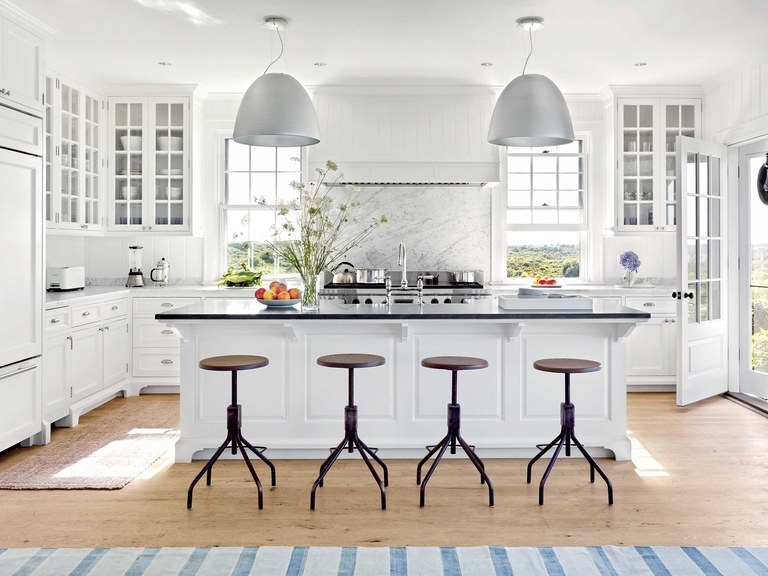
Deciding to update your living space is an exciting milestone, but it immediately introduces a critical fork in the road. Homeowners must determine whether their project requires a simple aesthetic makeover or a deep, foundational overhaul. Understanding the fundamental differences between cosmetic and structural renovations ensures that you allocate your budget wisely, protect your property value, and avoid costly building code violations. Evaluating your daily lifestyle needs against the physical condition of your house provides the clarity required to choose the right path for your next home improvement project.
Defining Cosmetic Renovations
Cosmetic renovations focus entirely on the visual appearance and surface details of a property without altering its underlying framework, framing, or load-bearing elements. These projects are designed to refresh, modernize, and personalize a space quickly and efficiently. Because they do not interfere with the core building envelope, cosmetic updates are typically faster to complete, less expensive, and rarely require municipal permits.
-
Surface Finishes: Painting walls, hanging new wallpaper, installing fresh baseboards, and replacing interior doors fall squarely into the cosmetic category.
-
Flooring Replacements: Laying down new hardwood, laying carpet, or updating tile floors refreshes a room without changing subfloor framing.
-
Fixture Upgrades: Swapping out outdated light fixtures, cabinet hardware, bathroom faucets, and electrical switch plates instantly modernizes an older home.
Choosing a cosmetic route is ideal when the layout of your home functions well for your family, but the visual style feels dated or worn down from years of daily use.
Defining Structural Renovations
Structural renovations involve making direct alterations to the essential framework that holds your home upright and keeps it stable. These projects change the physical footprint, load distribution, or spatial configuration of the property. Because they affect the safety and integrity of the building, structural renovations demand rigorous engineering assessments, detailed architectural blueprints, and mandatory municipal building permits.
-
Removing Load-Bearing Walls: Opening up a cramped, segmented floor plan by taking down a wall that supports upper floors or roof loads requires temporary shoring and permanent steel or wood beam installation.
-
Adding Additions or Extensions: Expanding the physical footprint of the house by building out into the yard or adding a second story alters foundations and rooflines completely.
-
Window and Door Enlargements: Cutting new openings into exterior walls or expanding existing window headers into large sliding glass doors requires professional framing reinforcement.
Choosing a structural path becomes necessary when your home layout fails to support your lifestyle, blocks natural light, or suffers from underlying stability issues that surface updates cannot fix.
Evaluating Cost and Budget Impact
The financial commitment required for a renovation dictates its scope for most homeowners. Cosmetic projects offer a high degree of cost predictability. Because labor is less intensive and material costs are limited to finishes, homeowners can often budget accurately and even tackle certain tasks independently to save money.
Structural renovations, on the other hand, carry significant financial risk and higher initial costs. Beyond purchasing materials and paying contractor labor, structural work frequently triggers unexpected expenses. Once walls are opened up, contractors may discover hidden electrical hazards, outdated plumbing, or wood rot that must be resolved before the new framework can be installed. Allocating a contingency fund of twenty percent is standard practice when undertaking structural modifications to absorb these unforeseen surprises safely.
Timelines and Daily Disruption
The amount of time your home spends as an active construction site varies dramatically depending on whether your project is cosmetic or structural.
Cosmetic updates cause minimal disruption to daily life. Painting a bedroom or replacing kitchen countertops can often be completed in a few days, allowing you to remain comfortably in the home while the work happens around you.
Structural renovations transform your living environment into a chaotic construction zone for months. Dust containment barriers, noise, lack of functioning kitchens or bathrooms, and frequent inspections by local building officials are standard realities of structural work. Many families choose to temporarily relocate during the heaviest phases of a structural overhaul to preserve their peace of mind and daily routines.
Return on Investment and Long-Term Value
Both types of renovations add market value to your property, but they appeal to different types of buyers and solve different problems. Cosmetic upgrades deliver an immediate boost in curb appeal and make a home feel clean and move-in ready. If you plan to sell your home in the near future, fresh paint, modern kitchen hardware, and updated bathroom vanities offer a high return on investment with minimal hassle.
Structural renovations address functional obsolescence. If a house has a tiny, walled-off kitchen that makes entertaining impossible, no amount of fresh paint will solve the underlying layout flaw. Reconfiguring the floor plan to create an open-concept living space transforms the long-term utility and livability of the home, commanding a higher valuation from buyers who prioritize modern architectural flow.
Frequently Asked Questions
Do I need a building permit for a cosmetic renovation?
Most cosmetic updates, such as painting, replacing flooring, and changing light fixtures, do not require building permits because they do not impact the structural safety of the home.
How can I tell if a wall is load-bearing before starting demolition?
Load-bearing walls typically run perpendicular to the floor joists overhead, sit directly above walls on lower levels or basement beams, and support the weight of the roof or second story. Always consult a structural engineer to confirm.
Can a cosmetic renovation hide underlying structural problems?
Painting over cracked drywall or laying new tile over a sagging subfloor only masks symptoms temporarily; structural issues will eventually cause the new cosmetic finishes to crack or fail.
Which type of renovation is better for a home built over fifty years ago?
Older homes often require a hybrid approach, starting with structural repairs to ensure the foundation and framing are sound before applying cosmetic updates to modernize the interior.
How do lenders view structural versus cosmetic renovations?
Lenders often require fixed-price contracts from licensed builders and formal appraisals for structural loans, whereas cosmetic updates are frequently funded through standard personal loans or home equity lines without strict contractor oversight.
Is it possible to convert a cosmetic renovation into a structural one midway through?
Expanding the scope of a project mid-stream is technically possible, but doing so without prior engineering approval or updated permits can lead to severe municipal fines and costly construction delays.