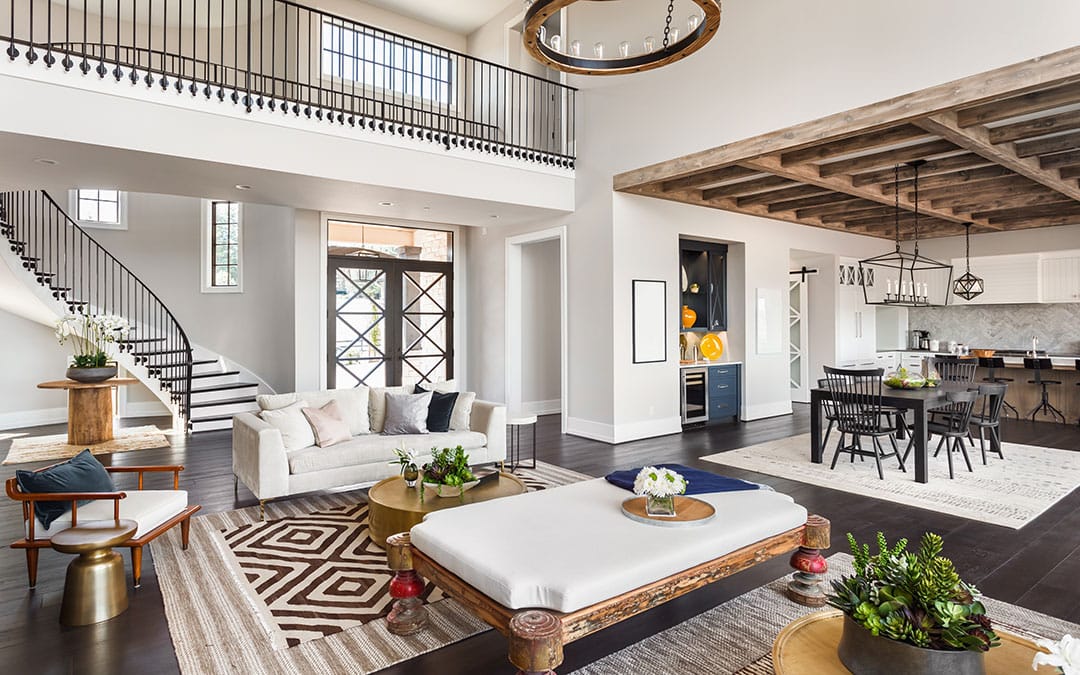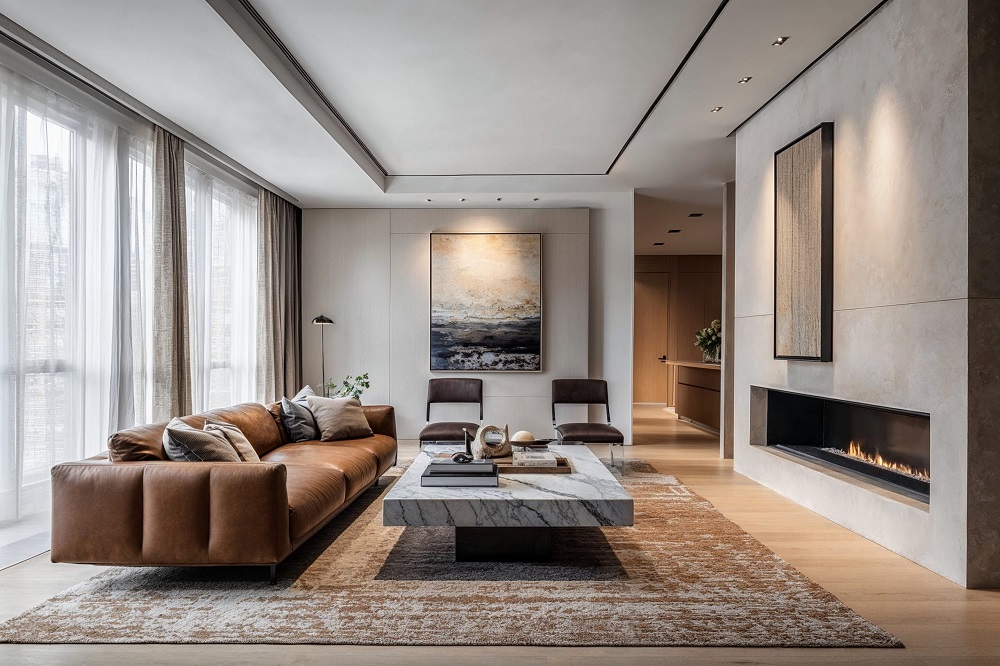
Interior décor has evolved far beyond matching cushions and color-coordinated curtains. Today’s most compelling spaces are layered, intentional, and rooted in design psychology rather than trends. This guide explores advanced decor strategies used by designers to reshape how a space feels, functions, and flows—without falling into generic or beginner advice.
If you’re looking to elevate an already well-furnished home, these decor tips focus on precision, depth, and spatial storytelling, not surface-level styling.
Design With Negative Space as a Feature, Not a Gap
One of the most overlooked advanced decor techniques is intentional emptiness. Negative space is not “unused” space—it’s a visual pause that allows focal elements to breathe.
How to Apply Negative Space Strategically
-
Limit statement pieces per wall to one dominant visual anchor
-
Leave at least 30–40% of surfaces unfilled in high-traffic rooms
-
Use blank walls to frame architectural features or art rather than filling them reflexively
Negative space increases perceived luxury because it signals confidence in design choices rather than excess.
Build a Multi-Layered Lighting Ecosystem
Lighting should never be a single-source decision. Advanced decor relies on light layering, where each source has a distinct role.
Core Lighting Layers to Integrate
-
Ambient lighting for general illumination
-
Task lighting for functional zones (reading, cooking, grooming)
-
Accent lighting to highlight textures, art, or architectural depth
Pro Tip
Use warm accent lights (2700K) against cooler ambient lighting to create contrast and dimensional warmth without repainting walls.
Treat Texture as a Color Substitute
Advanced decor doesn’t rely solely on color palettes. Texture layering can achieve richness even in monochrome spaces.
High-Impact Texture Pairings
-
Matte plaster walls with polished stone surfaces
-
Bouclé upholstery against smooth leather
-
Natural wood grain paired with brushed metal
Instead of adding more colors, vary surface finishes to create visual interest that ages gracefully.
Design Furniture Layouts for Movement, Not Symmetry
Perfect symmetry can make a room feel staged rather than lived-in. Sophisticated interiors prioritize circulation flow over visual balance.
Layout Strategies That Elevate a Room
-
Angle seating slightly to encourage conversation
-
Offset coffee tables or side chairs intentionally
-
Maintain clear walking paths of at least 36 inches
This approach enhances comfort and makes spaces feel intuitive rather than rigid.
Use Color Temperature to Define Emotional Zones
Instead of assigning colors room by room, advanced decor uses color temperature to guide mood transitions within a single space.
Emotional Mapping Through Color
-
Cooler undertones for focus areas like offices or kitchens
-
Warmer undertones for relaxation zones
-
Neutral buffers in transitional spaces
This technique works especially well in open-plan homes, where visual zoning matters more than walls.
Curate Art Like a Gallery, Not a Collection
Art should anchor a space emotionally, not just fill walls. Advanced decor treats art placement with museum-level intentionality.
Art Placement Principles
-
Hang art at eye level (57–60 inches from floor to center)
-
Use fewer, larger pieces instead of clusters
-
Allow at least 6–8 inches of breathing room around each piece
Well-placed art becomes part of the architecture rather than decoration.
Mix Design Eras With a Unifying Element
The most refined interiors blend eras seamlessly rather than committing to a single style.
How to Mix Without Chaos
-
Combine one dominant era with subtle accents from another
-
Use a unifying material (wood tone, metal finish, or color)
-
Keep silhouettes consistent even if periods differ
For example, a mid-century sofa can coexist with contemporary lighting if the color temperature and scale align.
Elevate Storage Into Visual Architecture
Storage doesn’t need to disappear—it can become a design feature.
High-Level Storage Decor Ideas
-
Floor-to-ceiling shelving that frames a wall
-
Built-in cabinets with contrasting interiors
-
Open storage balanced with concealed compartments
This approach adds rhythm and structure while maintaining practicality.
Incorporate Scent and Acoustics Into Decor Decisions
True luxury decor engages all senses, not just sight.
Sensory Enhancements That Matter
-
Layered textiles to soften sound reflection
-
Natural fibers that absorb excess noise
-
Subtle scent zoning using different aromas per area
These invisible elements significantly influence how a space is experienced over time.
Design for Aging Gracefully, Not Trends
Trend-driven decor often dates quickly. Advanced decor prioritizes timeless adaptability.
Future-Proofing Your Interior
-
Choose neutral foundations with replaceable accents
-
Invest in quality materials that patina well
-
Avoid overly thematic decor elements
A well-designed space should evolve naturally, not require reinvention every few years.
Balance Visual Weight Across the Room
Visual weight refers to how heavy an object feels, not how heavy it is.
How to Balance Visual Weight
-
Counter large furniture with negative space
-
Balance dark elements with light-reflective surfaces
-
Distribute bold colors evenly rather than clustering them
This ensures a room feels grounded rather than top-heavy or chaotic.
Make Transitional Spaces Intentional
Hallways, entryways, and stair landings are often neglected, yet they define first impressions.
Elevation Ideas for Transitional Areas
-
Statement lighting or sculptural mirrors
-
Narrow consoles with curated objects
-
Textured wall treatments or subtle color shifts
Treating these spaces seriously elevates the entire home’s design narrative.
Advanced Decor Is About Editing, Not Adding
The final and most important decor tip: restraint is a skill.
Before introducing anything new, ask:
-
Does this add function or meaning?
-
Does it disrupt balance or flow?
-
Does it support the room’s emotional goal?
Often, removing one item has more impact than adding three.
Frequently Asked Questions
How can I make my home feel more luxurious without buying new furniture?
Focus on lighting layers, decluttering, and improving texture contrast. These changes dramatically affect perception without major purchases.
What’s the biggest mistake people make in advanced decor?
Overcrowding. Too many focal points dilute impact and reduce visual clarity.
Can minimalism still feel warm and inviting?
Yes. Warm lighting, natural textures, and thoughtful spacing prevent minimalism from feeling cold.
How do I choose statement pieces without overwhelming the room?
Limit yourself to one statement per visual zone and support it with neutral surroundings.
Is mixing multiple decor styles risky?
Not if you maintain consistency in scale, materials, or color temperature.
How often should decor be updated in a well-designed home?
Small seasonal changes are enough. Structural decor should remain relevant for years.
What’s the most underrated decor element?
Sound and scent. They profoundly affect comfort but are rarely planned intentionally.