December 2024

Home

Enhancing Resale Value Through Strategic Home Upgrades

Investing in home improvements not only elevates your living experience but also enhances your property’s market value. To make the most of your efforts, it’s essential to focus on upgrades that appeal to buyers and offer the best return on investment. Here’s how to approach your next project with resale value in mind.

Prioritize Buyer-Friendly Renovations

While customizing your home to suit your preferences is tempting, it’s important to think long-term. A renovation tailored to your needs—like converting a guest bedroom into a home gym—might not align with the desires of potential buyers. Opt for upgrades with universal appeal to ensure your property caters to a broad audience.

Focus on Space and High-Impact Areas

Creating more functional living space is a surefire way to boost your home’s value. Consider finishing a basement, upgrading an attic, or adding modest expansions to increase square footage.

Kitchens and bathrooms are among the most scrutinized spaces for buyers. Small but impactful updates, such as installing new lighting, replacing hardware, or upgrading to modern appliances, can refresh these areas and make your home more attractive to prospective buyers.

Think Ahead and Stay Market-Savvy

Aligning your renovations with market trends is crucial for maximizing resale value. Simple, cost-effective changes—like updating landscaping, applying neutral paint colors, or adding energy-efficient features—can significantly enhance your property’s appeal. These upgrades often provide an excellent return on investment while keeping renovation costs manageable.

To gather additional insight into how to make any Wheaton remodels more profitable by strategically improving your home’s value, refer to the detailed checklist provided.

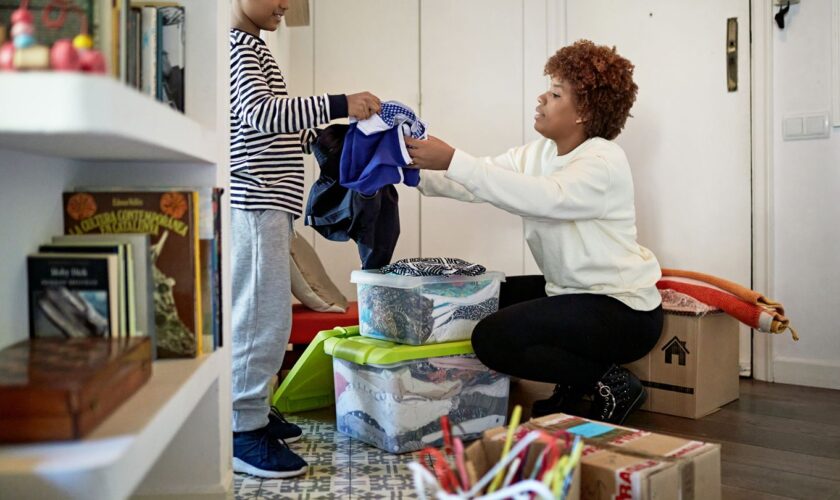
read more
Home

How Decluttering Can Improve Every Aspect of Your Life

Clutter isn’t just a household issue—it’s a lifestyle challenge with far-reaching effects on your health and finances. If your home feels more chaotic than calming, it’s time to consider the benefits of decluttering.

The average home contains hundreds of thousands of items, many of which are unused. These objects don’t just take up space—they collect dust and allergens, triggering health issues like asthma and allergies. Cluttered spaces also pose safety risks, increasing the likelihood of falls or injuries.

Mentally, clutter can be overwhelming. Studies consistently link disorganized environments to higher stress and anxiety levels, which impact overall happiness and productivity. Financially, clutter can be draining, as the stress it creates often leads to impulse buying, compounding the problem.

Start decluttering by focusing on one area at a time, categorizing items into “keep,” “donate,” and “discard” piles. Be honest about what you truly need and value. If the task feels daunting, professional help via Dallas junk pickup can make a world of difference, ensuring the process is efficient and thorough.

Decluttering goes beyond tidying up—it’s about reclaiming control over your space and your life. By prioritizing regular cleanouts and adopting mindful habits, you can enjoy a healthier home, lower stress, and better financial clarity.

read more
Home

Cleaning Products and Safety: How to Protect Your Home and Family

Cleaning products are indispensable for keeping homes spotless and germ-free. However, beneath their convenience lies a lesser-known reality: these products often contain toxic chemicals that can pose risks if not handled with care. While they promise hygiene and cleanliness, improper use or storage can lead to significant health and safety issues.

The risks associated with cleaning chemical packaging products primarily stem from their chemical composition. Many contain harsh ingredients like bleach, ammonia, or acids, which can become hazardous when improperly stored or combined. Exposure to these chemicals may cause respiratory problems, skin irritation, or even chemical burns. In some cases, dangerous reactions can occur, such as the release of toxic gases when bleach mixes with ammonia-based cleaners.

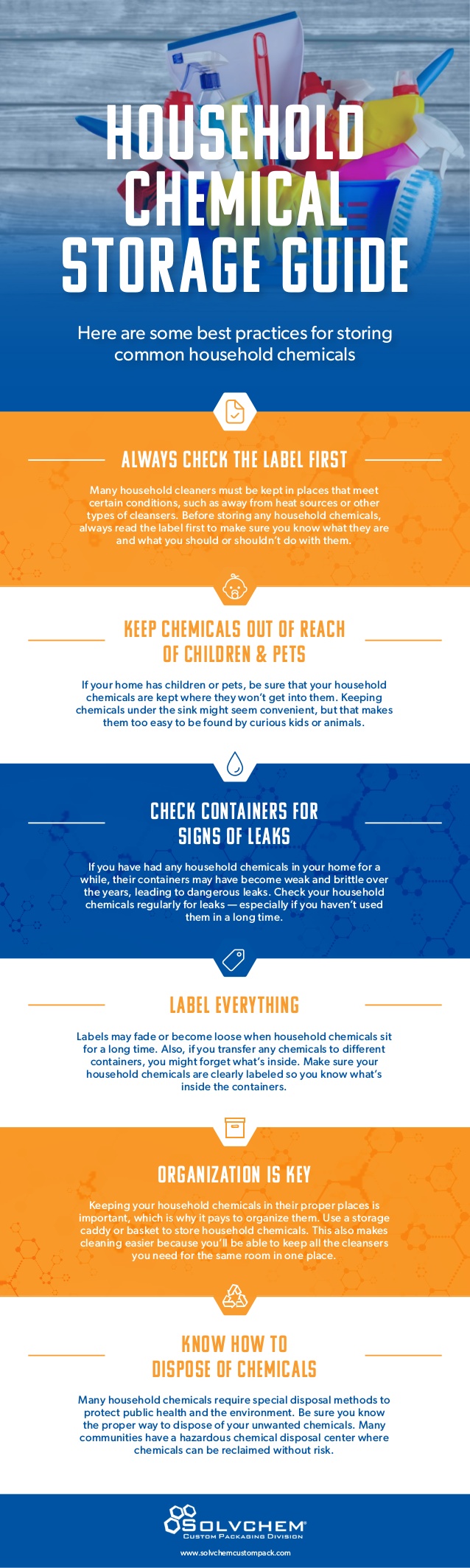
To ensure household safety, it’s essential to follow proper storage practices. Secure all cleaning supplies in cabinets with locks or place them on high shelves out of reach of children and pets. Always keep products in their original containers to maintain clear labeling and usage instructions. This reduces the risk of accidental misuse or mixing incompatible substances.

Another critical step is understanding and managing chemical interactions. Never store reactive substances like bleach and ammonia near each other. For additional safety, consider using storage bins to separate products by category, ensuring potential accidents are minimized.

Proper ventilation in storage areas is another key factor. Cleaning chemicals can emit harmful vapors even when not in use. Storing them in well-ventilated areas reduces the risk of fume buildup. If possible, designate a specific area for cleaning supplies that is cool, dry, and ventilated.

Beyond storage, consider adopting a more sustainable approach to cleaning by incorporating eco-friendly products. Many natural alternatives, like vinegar, baking soda, or plant-based cleaners, are effective while posing far fewer risks to health and the environment. Transitioning to these options can reduce your household’s chemical exposure and create a safer living environment.

Education is the cornerstone of safe cleaning practices. Take time to familiarize yourself with the labels on your cleaning products, and teach family members, especially children, about the importance of using and storing these items correctly. Regularly decluttering and responsibly disposing of expired or unused products can further enhance safety.

By prioritizing safety and awareness, households can strike a balance between cleanliness and health. A proactive approach to handling cleaning products ensures your home remains not only sparkling but also a secure haven for your loved ones.

read more
Home

Creating the Ideal Smart Work-From-Home Environment

Working from home has become a modern-day convenience that many people have embraced, offering flexibility and comfort that traditional office spaces can’t always provide. One of the major perks of remote work is the ability to create a personalized, functional workspace right in your own home. Whether you’re designing a dedicated home office or carving out a corner in your living room, it’s important to make your workspace both productive and comfortable. To achieve this, you’ll want to invest in furniture that supports your well-being, like ergonomic chairs or sit-to-stand desks, and consider adding smart home technology to elevate your work-from-home (WFH) experience.

Smart technology is no longer just about controlling your thermostat or dimming your lights; it can also transform your home office into a sleek, modern, and efficient space. The right smart devices not only enhance your productivity but also help create a comfortable and enjoyable atmosphere. Here are some smart décor ideas and gadgets to consider as you build the perfect work-from-home environment.

Lighting is Key
Lighting has a major impact on how we feel and work, making it one of the most important elements to consider in your home office design. Natural light has been shown to improve mood and productivity, so it’s essential to maximize the sunlight in your workspace. If you’re lacking natural light, however, smart lighting solutions can help. With smart bulbs or smart LED strips, you can adjust the brightness and even change the color temperature of your lights to suit the time of day or your current task. Whether you need bright, white light to focus on detailed tasks or a soft, warm glow to unwind after a long day of work, a smart lighting system gives you complete control over the ambiance. Many smart lighting systems can also sync with your calendar or natural light patterns, automatically adjusting the lighting based on the time of day to ensure your workspace is always optimally lit.

Bringing Nature Indoors
Research suggests that adding greenery to your workspace can boost creativity, reduce stress, and purify the air. However, not everyone has a green thumb, and keeping plants healthy in an indoor office can sometimes be a challenge. Enter the smart grow light. These innovative lights offer full-spectrum LED bulbs that provide the perfect amount of light to help your plants thrive, no matter the season. Many smart grow lights come with apps that allow you to schedule watering and lighting times, ensuring that your plants get the care they need. By adding plants to your office, you not only improve the air quality but also create a calm, nature-inspired environment that can increase focus and productivity.

Comfort Meets Technology
As you are online furniture shopping, be on the lookout for furniture with a balance between productivity comfort in mind. A home office is not just about getting work done but also about having the flexibility to switch between tasks or take breaks when necessary. A cozy recliner or small sofa can provide the perfect balance between work and relaxation, and many modern pieces now come equipped with smart features like built-in USB charging ports and LED-lit cupholders. This allows you to stay plugged in and productive while relaxing in a comfortable setting. According to surveys, a significant percentage of remote workers say that a comfortable home office environment helps them achieve a better work-life balance, which is one of the primary reasons to invest in furniture that can enhance both comfort and productivity.

Tech-Savvy Furniture
Beyond lighting and plants, there are numerous smart furniture options that can transform your home office. Consider an ergonomic chair with integrated speakers for a surround sound experience during virtual meetings or a desk that features wireless charging for your phone and other devices. Smart desks can also include built-in monitors or devices that track your posture and remind you to take breaks or adjust your seating position throughout the day.

By incorporating these smart décor elements into your work-from-home space, you’ll create an environment that not only looks great but enhances your productivity, health, and well-being. Whether you’re adjusting your lighting to stay focused, nurturing plants for a serene vibe, or choosing comfortable, tech-enhanced furniture, these smart home solutions help you make the most of your remote working experience.

For more ideas and suggestions on how to set up your ideal smart home office, check out the accompanying resource.

read more
Home

Supporting Children Through the Emotional Ups and Downs of Moving

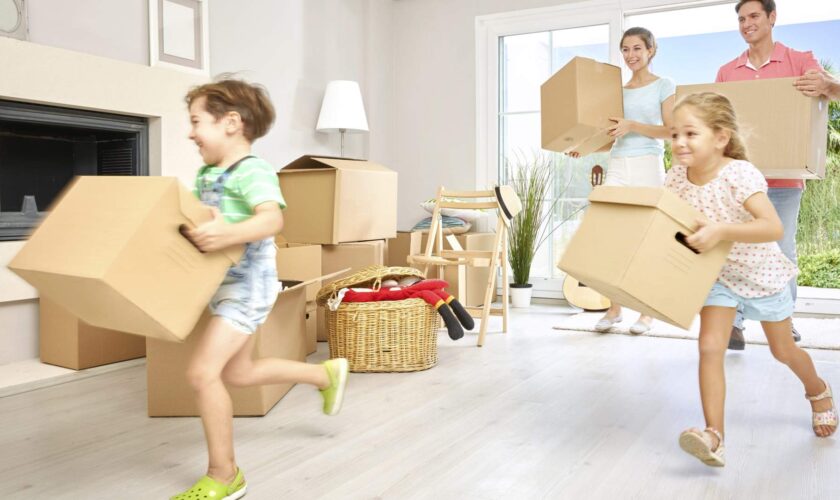
Moving to a new home can be an emotional rollercoaster for kids, especially if it involves changing schools or leaving friends behind. While parents focus on the logistics of the move, children often grapple with feelings of sadness, fear, or uncertainty. Addressing these emotions is key to helping them adjust to their new environment. Here are some actionable tips for easing the transition:

  1. Choose the Right Timing
    Whenever possible, plan your move during summer or holiday breaks. This timing gives children a chance to settle into their new surroundings without the immediate pressure of starting at a new school.
  2. Encourage Open Communication
    Create a safe space for your child to share their feelings about the move. Validate their emotions and provide honest but age-appropriate explanations about why the move is happening. Reassure them that their feelings are normal.
  3. Make Them Part of the Process
    Involve your child in decision-making to give them a sense of control. Let them pack their belongings, choose decorations for their new room, or help pick activities to explore in the new area.
  4. Maintain Familiar Routines
    After the move, re-establish regular schedules for meals, homework, and bedtime to provide stability. Familiar routines can be comforting and help kids feel grounded during a period of change.
  5. Facilitate Social Connections
    Encourage your child to participate in extracurricular activities, sports, or community programs where they can meet new friends. Arrange playdates or attend local events to help them feel more connected.
  6. Focus on the Positives
    Highlight exciting opportunities in their new environment, such as nearby parks, fun community events, or unique aspects of their new school. Focusing on the positive can help shift their perspective and build excitement.
  7. Be Patient
    Adjusting to a move takes time, and every child processes change differently. Be patient and provide ongoing support as they navigate their emotions and settle into their new life.

By addressing your child’s emotional needs and empowering them to embrace the changes, you can make the moving experience smoother and even enjoyable.

For more practical advice on helping children adapt to moving, refer to the accompanying infographic provided by Move Central.

read more
Bathroom

Creative Bathroom Organization Tips to Declutter Your Space

An organized bathroom is essential for stress-free mornings and tranquil evenings. By incorporating smart storage solutions, you can maximize space while maintaining a clutter-free environment. Here are some practical ideas to keep your bathroom tidy and efficient.

  1. Maximize Wall Space with Shelving
    Install floating or open shelves to store everyday items like lotions, shaving cream, or rolled towels. Over-the-toilet shelving units and corner shelves make excellent use of vertical space, while still maintaining easy access. For hygiene purposes, always keep the toilet lid closed to avoid accidental spills and contamination. Avoid placing medications or fragile items on open shelves.
  2. Tame Vanity Drawer Chaos
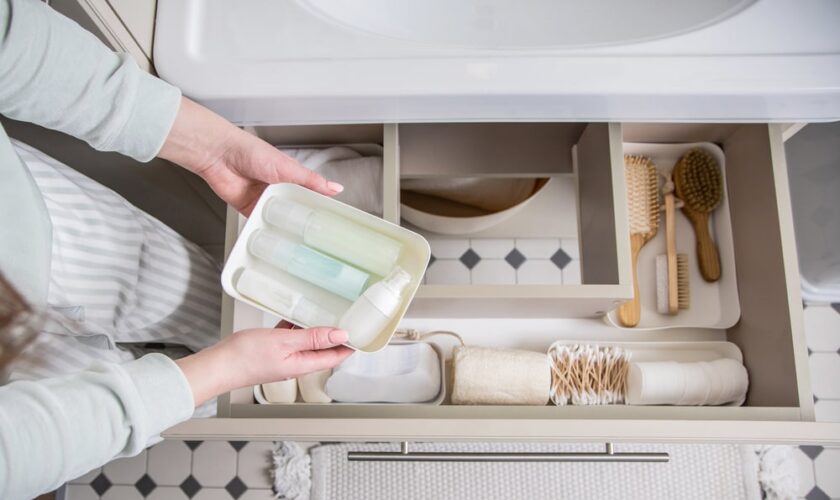
    Use small containers, baskets, or drawer dividers to sort and store grooming products, hair accessories, or cosmetics into your bath vanities. Dividing your drawers ensures everything has its place, making it easier to locate items quickly. For makeup enthusiasts, arrange products by category—lipsticks, brushes, and palettes—for a more efficient routine.
  3. Declutter Your Countertop
    Keep countertops neat by using decorative trays to corral daily essentials like skin care products, perfumes, or jewelry. Elegant glass jars or canisters are great for displaying items such as cotton balls and swabs. For a touch of DIY charm, mount mason jars to a wooden plank as both a storage solution and a decor piece for toothbrushes or makeup tools.
  4. Utilize the Space Under the Sink
    The cabinet beneath the sink is perfect for stashing less frequently used items. Organize cleaning supplies, first-aid kits, or extra toiletries in bins or tiered organizers to maximize storage. Consider attaching a small trash can to the inside of the cabinet door to keep waste out of sight while saving floor space.
  5. Add Over-the-Door Storage
    Don’t overlook the back of your bathroom door. Over-the-door organizers or hooks can hold towels, robes, or small storage pouches for extra toiletries, freeing up shelf or counter space.

With these easy-to-implement strategies, you can transform even the smallest bathroom into a functional and organized sanctuary. For more inspiration and clever storage hacks, check out the accompanying resource.

read more
Home

The Ways Parents Can Make Moving Easier On Their Children

Relocating to a new home is a major event, and for children, it can feel like a daunting upheaval. Parents play a key role in easing the transition and ensuring that kids adjust to the changes in a healthy and positive way. If you’re preparing for a move, here are some tips to help guide your children through the process.

One of the most important things parents can do is to share the news early. The sooner your children know about the move, the better they’ll be able to process and accept it. Keeping the move a secret until the last minute can create unnecessary stress. When explaining the move, tailor your language to fit their age, and make sure to address any fears or worries they might express.

Children often have a range of emotions about moving, from sadness to anger or fear of the unknown. It’s important to validate these feelings and provide reassurance. Let them know that it’s okay to feel upset and that they’re not alone in experiencing these emotions. Preparing them for specific changes, like when they’ll pack up their belongings or start at a new school, can also help reduce anxiety.

Getting your kids involved in the moving process is a great way to make them feel empowered and in control. For younger children, this might mean letting them choose their favorite toys to keep close by during the move. Older children can be assigned more meaningful tasks, like helping sort through clothes, packing the portable storage containers, or keeping track of to-do lists. The key is to make them feel like they’re contributing to the process.

Consistency is key during this time of transition. Keep regular routines in place—whether it’s family dinners, bedtime stories, or after-school activities—right up until the move. Having familiar activities to rely on can provide comfort during the whirlwind of change.

Lastly, a moving-away celebration can help your kids feel connected to their old home. Plan a party or a get-together with their friends so they can say their goodbyes. Visiting their favorite spots around town for one last time can also help create a sense of closure. Taking photos of these moments will give them something to look back on fondly as they adjust to their new environment.

For more guidance on making the move easier for your children, be sure to check out the additional resource.

read more
Exterior

Top Safety Practices for Effective Exterior Cleaning Projects

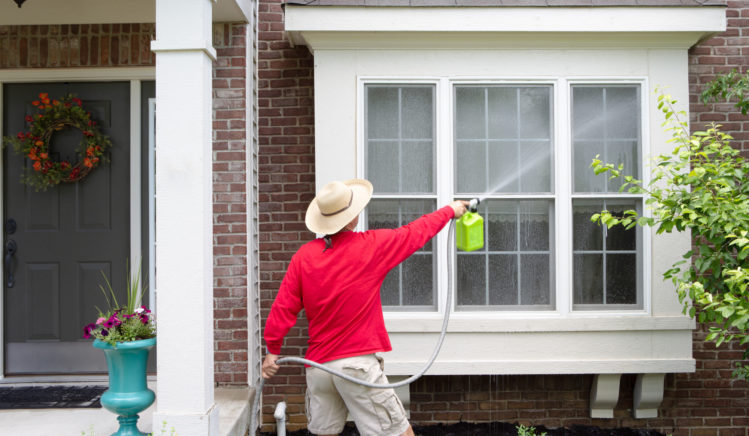
Maintaining the exterior of a property requires a careful approach to ensure it remains clean and safe. For instance, when conducting pressure cleaning in Clackmannanshire, it’s vital to use proper techniques and prioritise safety to protect both the property and those performing the work. Below are some top safety practices to keep in mind during exterior cleaning projects.

Use the Right Equipment Correctly

The foundation of a safe exterior cleaning project starts with choosing and using the right equipment. Whether you’re working with pressure washers, brushes, or ladders, ensure they are in good condition and appropriate for the task. Pressure washers, for example, can cause damage or injuries if used incorrectly, so it’s essential to follow the manufacturer’s guidelines and adjust settings to match the surface material.

Proper training on equipment use is also essential. Operators should be familiar with how to safely handle tools, particularly high-powered machinery, to avoid unnecessary accidents. Regular equipment checks and maintenance further ensure reliable performance and minimise safety risks.

Protect Yourself with Proper Gear

Personal protective equipment (PPE) is non-negotiable for exterior cleaning projects. Depending on the task, this might include gloves, goggles, non-slip footwear, and even respiratory masks to protect against harmful chemicals or airborne particles. Wearing the correct gear reduces the risk of injury and ensures comfort during extended cleaning sessions.

Additionally, ensure clothing is durable and weather-appropriate. Loose or baggy clothing should be avoided as it may catch on equipment or surfaces, creating hazards. Always prioritise gear designed for safety and functionality to maintain a secure working environment.

Work Smart, Not Hard: Safety Techniques

Safety in exterior cleaning goes beyond equipment and gear—it also includes the methods used. Avoid overreaching when working at heights, and always secure ladders or scaffolding to prevent falls. Using harnesses or stabilisers is another effective precaution for high-level tasks.

Consider weather conditions before beginning a project. Wet or windy conditions can increase risks, especially when dealing with slippery surfaces or heavy equipment. Always assess the environment and modify your approach to ensure both efficiency and safety.

Dispose of Waste Responsibly

Exterior cleaning often involves debris, chemical residues, or contaminated water. Proper disposal is crucial not only for environmental reasons but also for preventing hazards. Collect and contain waste appropriately, ensuring it is disposed of in compliance with local regulations.

Failing to clean up thoroughly can leave behind slippery surfaces or harmful materials, creating risks for others. Prioritising responsible waste management contributes to a safer and cleaner environment for everyone.

read more