July 2025

Decor Tips

Advanced Decor Tips That Transform Spaces Without a Renovation

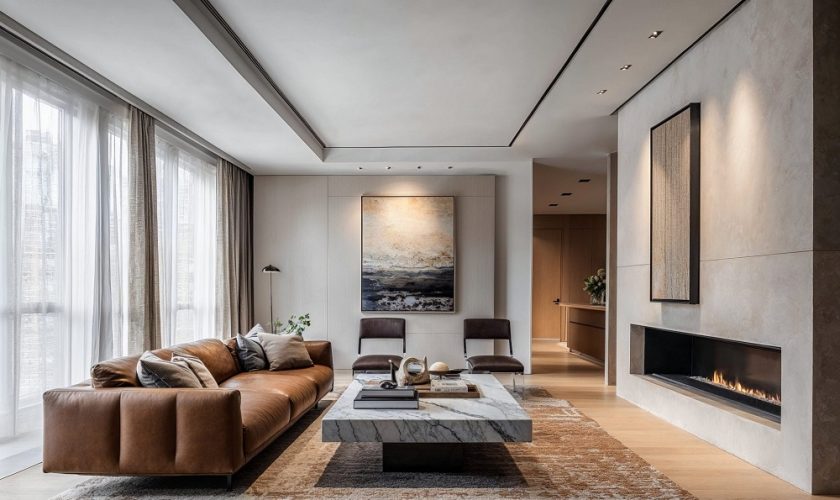
Interior décor has evolved far beyond matching cushions and color-coordinated curtains. Today’s most compelling spaces are layered, intentional, and rooted in design psychology rather than trends. This guide explores advanced decor strategies used by designers to reshape how a space feels, functions, and flows—without falling into generic or beginner advice.

If you’re looking to elevate an already well-furnished home, these decor tips focus on precision, depth, and spatial storytelling, not surface-level styling.

Design With Negative Space as a Feature, Not a Gap

One of the most overlooked advanced decor techniques is intentional emptiness. Negative space is not “unused” space—it’s a visual pause that allows focal elements to breathe.

How to Apply Negative Space Strategically

  • Limit statement pieces per wall to one dominant visual anchor

  • Leave at least 30–40% of surfaces unfilled in high-traffic rooms

  • Use blank walls to frame architectural features or art rather than filling them reflexively

Negative space increases perceived luxury because it signals confidence in design choices rather than excess.

Build a Multi-Layered Lighting Ecosystem

Lighting should never be a single-source decision. Advanced decor relies on light layering, where each source has a distinct role.

Core Lighting Layers to Integrate

  • Ambient lighting for general illumination

  • Task lighting for functional zones (reading, cooking, grooming)

  • Accent lighting to highlight textures, art, or architectural depth

Pro Tip

Use warm accent lights (2700K) against cooler ambient lighting to create contrast and dimensional warmth without repainting walls.

Treat Texture as a Color Substitute

Advanced decor doesn’t rely solely on color palettes. Texture layering can achieve richness even in monochrome spaces.

High-Impact Texture Pairings

  • Matte plaster walls with polished stone surfaces

  • Bouclé upholstery against smooth leather

  • Natural wood grain paired with brushed metal

Instead of adding more colors, vary surface finishes to create visual interest that ages gracefully.

Design Furniture Layouts for Movement, Not Symmetry

Perfect symmetry can make a room feel staged rather than lived-in. Sophisticated interiors prioritize circulation flow over visual balance.

Layout Strategies That Elevate a Room

  • Angle seating slightly to encourage conversation

  • Offset coffee tables or side chairs intentionally

  • Maintain clear walking paths of at least 36 inches

This approach enhances comfort and makes spaces feel intuitive rather than rigid.

Use Color Temperature to Define Emotional Zones

Instead of assigning colors room by room, advanced decor uses color temperature to guide mood transitions within a single space.

Emotional Mapping Through Color

  • Cooler undertones for focus areas like offices or kitchens

  • Warmer undertones for relaxation zones

  • Neutral buffers in transitional spaces

This technique works especially well in open-plan homes, where visual zoning matters more than walls.

Curate Art Like a Gallery, Not a Collection

Art should anchor a space emotionally, not just fill walls. Advanced decor treats art placement with museum-level intentionality.

Art Placement Principles

  • Hang art at eye level (57–60 inches from floor to center)

  • Use fewer, larger pieces instead of clusters

  • Allow at least 6–8 inches of breathing room around each piece

Well-placed art becomes part of the architecture rather than decoration.

Mix Design Eras With a Unifying Element

The most refined interiors blend eras seamlessly rather than committing to a single style.

How to Mix Without Chaos

  • Combine one dominant era with subtle accents from another

  • Use a unifying material (wood tone, metal finish, or color)

  • Keep silhouettes consistent even if periods differ

For example, a mid-century sofa can coexist with contemporary lighting if the color temperature and scale align.

Elevate Storage Into Visual Architecture

Storage doesn’t need to disappear—it can become a design feature.

High-Level Storage Decor Ideas

  • Floor-to-ceiling shelving that frames a wall

  • Built-in cabinets with contrasting interiors

  • Open storage balanced with concealed compartments

This approach adds rhythm and structure while maintaining practicality.

Incorporate Scent and Acoustics Into Decor Decisions

True luxury decor engages all senses, not just sight.

Sensory Enhancements That Matter

  • Layered textiles to soften sound reflection

  • Natural fibers that absorb excess noise

  • Subtle scent zoning using different aromas per area

These invisible elements significantly influence how a space is experienced over time.

Design for Aging Gracefully, Not Trends

Trend-driven decor often dates quickly. Advanced decor prioritizes timeless adaptability.

Future-Proofing Your Interior

  • Choose neutral foundations with replaceable accents

  • Invest in quality materials that patina well

  • Avoid overly thematic decor elements

A well-designed space should evolve naturally, not require reinvention every few years.

Balance Visual Weight Across the Room

Visual weight refers to how heavy an object feels, not how heavy it is.

How to Balance Visual Weight

  • Counter large furniture with negative space

  • Balance dark elements with light-reflective surfaces

  • Distribute bold colors evenly rather than clustering them

This ensures a room feels grounded rather than top-heavy or chaotic.

Make Transitional Spaces Intentional

Hallways, entryways, and stair landings are often neglected, yet they define first impressions.

Elevation Ideas for Transitional Areas

  • Statement lighting or sculptural mirrors

  • Narrow consoles with curated objects

  • Textured wall treatments or subtle color shifts

Treating these spaces seriously elevates the entire home’s design narrative.

Advanced Decor Is About Editing, Not Adding

The final and most important decor tip: restraint is a skill.

Before introducing anything new, ask:

  • Does this add function or meaning?

  • Does it disrupt balance or flow?

  • Does it support the room’s emotional goal?

Often, removing one item has more impact than adding three.

Frequently Asked Questions

How can I make my home feel more luxurious without buying new furniture?

Focus on lighting layers, decluttering, and improving texture contrast. These changes dramatically affect perception without major purchases.

What’s the biggest mistake people make in advanced decor?

Overcrowding. Too many focal points dilute impact and reduce visual clarity.

Can minimalism still feel warm and inviting?

Yes. Warm lighting, natural textures, and thoughtful spacing prevent minimalism from feeling cold.

How do I choose statement pieces without overwhelming the room?

Limit yourself to one statement per visual zone and support it with neutral surroundings.

Is mixing multiple decor styles risky?

Not if you maintain consistency in scale, materials, or color temperature.

How often should decor be updated in a well-designed home?

Small seasonal changes are enough. Structural decor should remain relevant for years.

What’s the most underrated decor element?

Sound and scent. They profoundly affect comfort but are rarely planned intentionally.
read more
Bathroom

The Hidden Architecture of High-Performance Bathrooms: Designing for Comfort, Longevity, and Sensory Balance

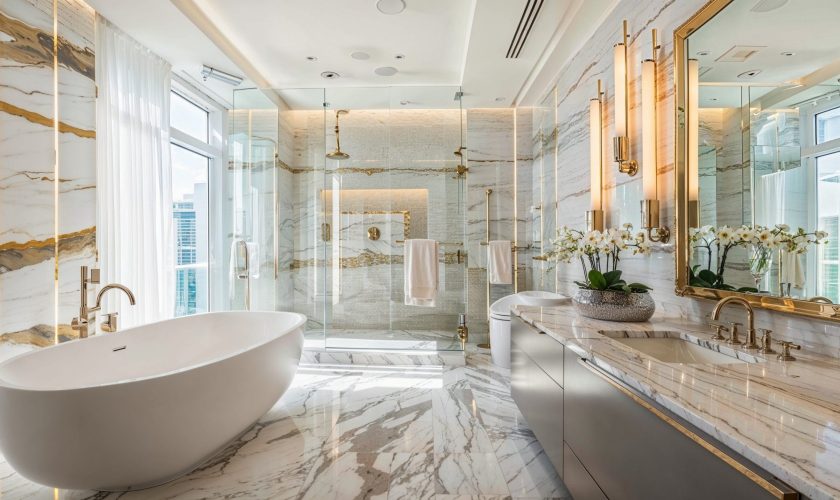
Modern bathrooms are no longer defined solely by fixtures and finishes. Behind every exceptional bathroom lies an invisible layer of decisions that shape comfort, durability, hygiene, and emotional well-being. This article explores advanced, non-generic bathroom design principles that go far beyond aesthetics—focusing on micro-design, ergonomics, material intelligence, and performance-driven planning.

Rather than repeating surface-level renovation advice, this guide dives into how bathrooms can be engineered to perform flawlessly over decades while delivering a refined daily experience.

Why High-Performance Bathroom Design Is a Different Discipline

A bathroom is the only room that combines water, heat, electricity, chemicals, and bare skin in a confined space. This makes it one of the most technically demanding environments in any home.

High-performance bathrooms are designed around:

  • Human behavior and body movement

  • Moisture management and airflow

  • Material aging and maintenance cycles

  • Psychological comfort and sensory calm

Ignoring these layers often leads to premature wear, mold issues, awkward layouts, or visual clutter—regardless of how expensive the fixtures are.

Ergonomic Micro-Zoning: Designing Around the Human Body

Most bathroom plans fail not because of size constraints, but because they ignore how bodies move in real space. Micro-zoning focuses on optimizing inches, not feet.

Key Ergonomic Considerations

  • Standing vs. leaning zones at the vanity

  • Elbow clearance when washing hands or brushing teeth

  • Hip and knee space around toilets and bidets

  • Natural turning radius when exiting showers

Even a well-sized bathroom can feel cramped if these zones overlap.

Strategic Placement That Improves Daily Comfort

  • Offset sinks slightly from walls to avoid shoulder compression

  • Install wall-mounted vanities at customized heights based on user stature

  • Align towel storage with arm reach after shower exit

  • Position mirrors to account for posture, not just eye level

These subtle adjustments dramatically reduce daily strain without altering visual design.

Moisture Engineering: The Science Behind Dry Bathrooms

Moisture is the silent enemy of bathrooms. True performance design treats humidity as a system, not a side effect.

Advanced Moisture Control Strategies

  • Layered ventilation, combining ceiling extraction with passive airflow paths

  • Material sequencing, placing moisture-tolerant surfaces where splash zones occur

  • Condensation planning, especially around mirrors, windows, and metal fixtures

High-performance bathrooms control where water goes after it lands, not just where it starts.

Hidden Failure Points to Address

  • Grout lines behind fixtures

  • Wall cavities adjacent to showers

  • Vanity interiors with trapped humidity

  • Silicone joints exposed to constant temperature shifts

Designing for moisture longevity prevents costly repairs and health hazards years down the line.

Material Intelligence: Choosing Surfaces That Age Gracefully

Luxury bathrooms are not defined by how they look on day one, but by how they age.

High-Intelligence Material Characteristics

  • Low porosity to resist staining and bacteria

  • Thermal stability under hot and cold cycles

  • Chemical resistance to cleaners and cosmetics

  • Repairability without full replacement

Materials should be evaluated based on lifecycle performance, not trend appeal.

Smarter Material Pairings

  • Stone surfaces paired with flexible backing systems

  • Engineered composites in high-splash zones

  • Natural materials placed in low-moisture areas for warmth

  • Matte finishes to reduce visible water spotting

This strategic pairing maintains visual richness while minimizing upkeep.

Lighting as Architecture, Not Decoration

Bathroom lighting is often treated as an afterthought, yet it directly affects safety, mood, and functionality.

The Three-Layer Lighting Model

  • Task lighting for grooming accuracy

  • Ambient lighting for overall balance

  • Low-level lighting for nighttime navigation

A single ceiling fixture cannot fulfill all three roles effectively.

Advanced Lighting Techniques

  • Vertical light distribution to reduce facial shadows

  • Indirect lighting to soften reflective surfaces

  • Warm-to-neutral color temperature transitions

  • Glare control through diffusion and placement

Well-designed lighting makes bathrooms feel larger, calmer, and more intuitive to use.

Acoustic Design: The Overlooked Comfort Factor

Bathrooms are acoustically harsh by default due to hard surfaces and tight dimensions. Sound design is rarely discussed, yet it plays a significant role in comfort and privacy.

Acoustic Improvement Strategies

  • Soft-close cabinetry to reduce sharp noise

  • Wall assemblies that dampen plumbing sound

  • Ceiling treatments that reduce echo

  • Strategic placement of exhaust fans to minimize vibration

Improved acoustics contribute to a sense of calm and discretion, especially in shared households.

Storage That Disappears Without Sacrificing Capacity

Clutter destroys even the most elegant bathroom. High-performance storage design focuses on visual silence while maintaining accessibility.

Intelligent Storage Concepts

  • Recessed niches aligned with wall geometry

  • Drawer interiors customized by usage category

  • Vertical storage that uses dead wall space

  • Hidden access panels that preserve clean lines

Effective storage design eliminates the need for countertop items, improving hygiene and aesthetics simultaneously.

Thermal Comfort: Managing Heat Without Excess Energy Use

Bathrooms experience extreme temperature swings. Poor thermal planning leads to cold floors, fogged mirrors, and inefficient heating.

Advanced Thermal Strategies

  • Zoned heating for occupied areas only

  • Thermally balanced floor materials

  • Insulated walls behind wet zones

  • Passive heat retention through material mass

When thermal comfort is consistent, bathrooms feel inviting rather than utilitarian.

Maintenance-Centered Design: Planning for Real Life

The most successful bathrooms are designed with cleaning, repair, and part replacement in mind.

Maintenance-Friendly Design Principles

  • Accessible shut-off points

  • Modular fixture installation

  • Replaceable wear components

  • Reduced grout and joint exposure

Designing for maintenance does not reduce elegance—it preserves it.

The Psychological Impact of Bathroom Design

Bathrooms are private spaces where people begin and end their days. The environment subtly influences mood, stress levels, and personal rituals.

Elements That Support Mental Well-Being

  • Balanced proportions and symmetry

  • Natural textures that soften hard surfaces

  • Visual continuity to reduce cognitive load

  • Sensory consistency through lighting and materials

A high-performance bathroom supports both physical function and emotional reset.

Conclusion: The Future of Bathroom Design Is Invisible

Exceptional bathrooms are not defined by trends or expensive fixtures, but by how seamlessly they support daily life. When ergonomics, moisture control, materials, lighting, acoustics, and maintenance are engineered together, the result is a space that feels effortless.

The future of bathroom design lies in decisions you don’t immediately see—but experience every single day.

Frequently Asked Questions (FAQs)

1. How can ergonomic bathroom design improve daily comfort without increasing space?

Ergonomic design focuses on body movement, reach zones, and clearance optimization, allowing better usability within the same footprint.

2. What materials perform best in long-term high-moisture environments?

Low-porosity, chemically stable materials with flexible installation systems perform best over extended exposure to water and heat.

3. Why is layered lighting more effective than a single overhead light?

Layered lighting addresses different functional needs, reduces shadows, and improves visual comfort throughout the day and night.

4. How can bathrooms be designed to reduce mold risk without constant cleaning?

Proper ventilation planning, material sequencing, and moisture path control significantly reduce mold formation.

5. What is the biggest mistake in modern bathroom storage design?

Prioritizing appearance over accessibility often leads to cluttered surfaces and underused storage capacity.

6. How does acoustic design affect bathroom comfort?

Reducing echo, vibration, and plumbing noise improves privacy and creates a calmer, more refined environment.

7. Can high-performance bathroom design increase property value?

Yes, bathrooms designed for longevity, efficiency, and comfort often outperform trend-driven renovations in long-term value.

read more