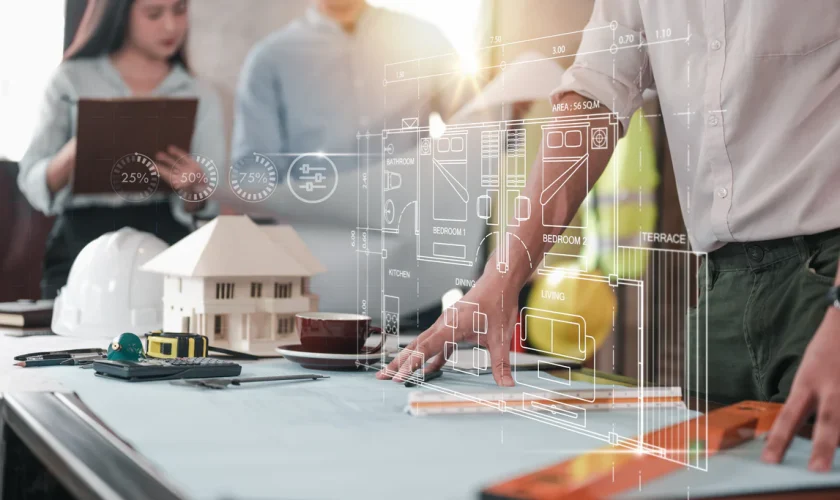
Renovation has evolved far beyond aesthetic upgrades and surface-level improvements. In today’s market, high-performance renovation is about aligning design decisions with measurable outcomes—energy efficiency, material longevity, occupant well-being, and long-term asset value. Rather than focusing on generic remodeling ideas, this article explores advanced, data-driven renovation strategies that experienced homeowners, investors, and design professionals can leverage to future-proof properties.
By integrating performance analytics, lifecycle thinking, and adaptive systems, renovation becomes a strategic tool instead of a reactive expense.
Rethinking Renovation as a Performance System
Traditional renovation treats each upgrade as a standalone decision. High-performance renovation reframes the property as an interconnected system, where changes to one component influence the behavior of others.
A data-driven renovation approach evaluates:
- Thermal performance
- Moisture movement
- Indoor air quality
- Material degradation timelines
- Operational energy demand
This holistic perspective ensures that improvements compound over time rather than conflict with each other.
Why Performance-Based Renovation Matters Now
Modern buildings face increasing pressure from rising energy costs, stricter regulations, and shifting buyer expectations. Renovations that ignore performance metrics risk becoming obsolete within a decade.
Performance-based renovation delivers:
- Lower lifetime operating costs
- Improved resilience against climate extremes
- Higher appraisal and resale values
- Reduced maintenance frequency
Lifecycle-Centered Renovation Planning
One of the most overlooked aspects of renovation is lifecycle cost analysis. Instead of asking, “What does this cost today?” high-performance renovation asks, “What does this cost over 30 years?”
Evaluating True Material Value
Materials should be selected based on durability, repairability, and replacement cycles, not just upfront price.
Key lifecycle considerations include:
- Expected service life under local climate conditions
- Maintenance intervals and labor requirements
- End-of-life recyclability or reuse potential
- Performance degradation over time
For example, a roofing system with a higher initial cost but double the lifespan and lower maintenance burden often outperforms cheaper alternatives financially within 15–20 years.
Avoiding the Renovation Reset Trap
Many renovations unknowingly “reset” building systems to outdated standards. High-performance planning ensures upgrades align with future code trajectories, reducing the likelihood of premature rework.
Envelope Optimization Beyond Insulation
Advanced renovation places significant emphasis on the building envelope, but not in simplistic terms like adding more insulation. The goal is controlled energy flow, not maximum material volume.
Air Sealing as a Structural Priority
Air leakage often accounts for more energy loss than insulation gaps. Performance-focused renovations prioritize:
- Continuous air barriers
- Sealed transitions between assemblies
- Pressure-tested validation methods
Proper air sealing improves not only energy efficiency but also acoustic comfort and moisture control.
Thermal Bridging Mitigation
Thermal bridges silently undermine renovation investments. Addressing them requires:
- Strategic placement of continuous insulation
- Thermal break detailing at structural penetrations
- Window and door installation aligned with insulation layers
Reducing thermal bridging increases envelope efficiency without significantly increasing wall thickness.
Smart Energy Retrofits with Measurable Payback
Energy upgrades in high-performance renovations are driven by modeled outcomes, not assumptions.
Load Reduction Before Equipment Upgrades
Upgrading mechanical systems without reducing loads is a common mistake. Data-driven renovation follows a clear hierarchy:
- Reduce energy demand through envelope improvements
- Optimize distribution systems
- Upgrade generation and equipment capacity
This sequence prevents oversizing and improves system longevity.
Integrating Adaptive Energy Systems
Modern renovations increasingly incorporate systems that adjust performance dynamically, such as:
- Variable-speed HVAC equipment
- Zonal climate control
- Demand-responsive ventilation
These systems reduce wear, improve comfort, and provide granular performance data for future optimization.
Moisture Management as a Longevity Strategy
Moisture is one of the most destructive forces in buildings, yet it is often underestimated during renovation.
Designing for Drying Potential
High-performance renovation focuses on assemblies that can dry in at least one direction, reducing the risk of trapped moisture.
Effective moisture strategies include:
- Vapor-open exterior layers
- Capillary breaks at foundations
- Controlled interior humidity management
This approach extends material lifespan and reduces the risk of hidden structural damage.
Renovation for Climate-Specific Moisture Loads
Moisture strategies must respond to local climate realities. Renovations that ignore seasonal vapor drive patterns often fail prematurely despite high-quality materials.
Interior Environment and Human Performance
Advanced renovation recognizes that buildings directly affect cognitive function, sleep quality, and respiratory health.
Indoor Air Quality as a Design Metric
Rather than relying solely on code-minimum ventilation, high-performance renovations target:
- Balanced fresh air delivery
- Low-emission materials
- Controlled filtration strategies
Improved air quality contributes to occupant satisfaction and can significantly enhance perceived property value.
Acoustic and Visual Comfort
Renovation decisions increasingly account for:
- Sound transmission control between zones
- Daylight optimization without glare
- Circadian-friendly lighting strategies
These elements elevate renovation outcomes beyond what traditional remodeling delivers.
Data Collection and Post-Renovation Optimization
High-performance renovation does not end at project completion. Ongoing data collection ensures systems perform as intended.
Monitoring as a Risk Management Tool
Smart monitoring helps identify:
- Performance drift
- Equipment inefficiencies
- Unexpected energy spikes
This proactive approach allows corrective action before minor issues escalate into costly repairs.
Feedback Loops for Continuous Improvement
Renovation data informs future decisions, whether for additional upgrades or portfolio-wide strategies for investors managing multiple properties.
Renovation as a Long-Term Asset Strategy
When executed strategically, renovation becomes a form of asset management, not just improvement.
Aligning Renovation with Market Trajectories
High-performance renovations anticipate:
- Future buyer preferences
- Energy disclosure requirements
- Insurance risk assessments related to resilience
Properties renovated with these factors in mind consistently outperform comparable assets over time.
Resilience as a Value Multiplier
Renovations that enhance resilience—such as improved thermal autonomy or moisture resistance—protect value during extreme events and reduce downtime risks.
The Future of Renovation: Precision Over Decoration
The renovation industry is shifting toward precision, performance, and predictive planning. Decorative upgrades alone no longer define quality. Instead, success is measured by how well a building performs year after year.
By embracing data-driven strategies, lifecycle thinking, and system-level design, renovation becomes an investment in durability, efficiency, and human experience—not just appearance.
Frequently Asked Questions
How does data-driven renovation differ from traditional remodeling?
Data-driven renovation uses measurable performance metrics—energy use, moisture control, air quality—to guide decisions, whereas traditional remodeling focuses primarily on aesthetics and immediate functionality.
Is high-performance renovation only suitable for new or luxury properties?
No. Performance-based renovation principles can be applied to existing buildings of any age or budget by prioritizing interventions with the highest long-term impact.
How long does it take to see financial returns from performance-focused renovation?
Payback timelines vary, but many envelope and energy efficiency upgrades begin delivering measurable savings within 5–10 years while also increasing property value.
Can high-performance renovation be phased over time?
Yes. A well-planned strategy allows renovations to be executed in stages while maintaining system compatibility and long-term goals.
What role does climate play in renovation performance?
Climate heavily influences moisture behavior, insulation strategy, and energy loads. Renovations that align with local climate conditions consistently outperform generic solutions.
Does performance-focused renovation require advanced technology?
While technology can enhance outcomes, many high-impact strategies—such as air sealing and moisture control—rely more on design precision than complex systems.
How does high-performance renovation affect resale value?
Properties with documented performance improvements often command higher resale values due to lower operating costs, improved comfort, and future readiness.