The exterior of a building is no longer a static shell designed solely for visual appeal. In high-performance residential and mixed-use architecture, the exterior envelope has evolved into a responsive system that manages heat, moisture, air, and durability in direct relation to climate conditions. As energy codes tighten and homeowners demand long-term resilience, climate-adaptive exterior strategies are becoming a defining factor in exterior design decisions.
This article explores advanced, non-generic exterior concepts focused on performance-driven envelopes, material intelligence, and regional responsiveness—without revisiting beginner-level or overused topics.
Understanding the Exterior Envelope as a Dynamic System
An exterior envelope is best understood as a multi-layered assembly rather than a single surface. Each layer plays a critical role in maintaining indoor comfort and protecting structural integrity.
Key performance objectives of a climate-adaptive envelope include:
-
Thermal regulation across seasonal extremes
-
Moisture control and vapor management
-
Air sealing without sacrificing breathability
-
Long-term durability under climate stressors
-
Energy optimization through passive means
Rather than relying on mechanical systems alone, adaptive exteriors reduce energy loads by design, allowing buildings to work with the environment instead of against it.
Climate Zoning as the Foundation of Exterior Design
Designing a high-performance exterior begins with climate zoning, not aesthetics. Each climate presents unique challenges that must influence material selection, assembly thickness, and detailing.
Cold and Mixed-Cold Climates
In colder regions, exterior strategies prioritize heat retention and condensation prevention.
Effective approaches include:
-
Continuous exterior insulation to eliminate thermal bridging
-
Vapor control layers placed strategically to prevent interstitial moisture
-
High-density cladding systems that resist freeze-thaw cycles
The goal is to keep the structural core warm and dry year-round, extending the life of both finishes and framing.
Hot and Arid Climates
Hot, dry regions demand exteriors that reject heat while managing solar gain.
Advanced solutions often incorporate:
-
Ventilated rain screens that allow heat dissipation
-
Reflective or light-colored cladding with high solar reflectance values
-
Deep overhangs and exterior shading devices integrated into the façade
Here, the envelope functions as a thermal buffer, reducing cooling demand without sacrificing daylight.
Hot-Humid and Coastal Climates
Moisture is the primary adversary in humid zones. Exterior envelopes must focus on drying potential and mold resistance.
Key considerations include:
-
Permeable assemblies that dry outward
-
Corrosion-resistant fasteners and substructures
-
Impact-rated cladding for storm-prone areas
A successful exterior in these regions manages bulk water aggressively while allowing vapor to escape.
High-Performance Cladding Systems Beyond Aesthetics
Cladding is often treated as a purely visual choice, but in climate-adaptive design, it serves as a functional performance layer.
Ventilated Rain Screen Assemblies
Rain screens create a pressure-moderated cavity between the cladding and the wall assembly.
Performance benefits include:
-
Reduced moisture intrusion
-
Enhanced drying capacity
-
Improved thermal performance in both hot and cold climates
When properly detailed, rain screens significantly extend the lifespan of exterior materials.
Engineered Wood and Composite Facades
Modern engineered wood products and composites offer predictable expansion behavior, improved moisture resistance, and reduced maintenance compared to traditional wood siding.
Advantages include:
-
Dimensional stability across temperature swings
-
Factory-applied finishes with longer warranties
-
Compatibility with continuous insulation systems
These materials perform especially well in mixed climates where seasonal variation is extreme.
High-Mass Exterior Materials
Stone, masonry, and insulated concrete systems provide thermal mass, which helps regulate interior temperatures by absorbing and releasing heat slowly.
This approach is particularly effective in:
-
Regions with large diurnal temperature swings
-
Passive solar-oriented designs
-
Homes targeting net-zero energy performance
Thermal mass works best when paired with strategic insulation placement.
Exterior Insulation as a Performance Multiplier
One of the most impactful advancements in exterior design is continuous exterior insulation, which wraps the structure in an uninterrupted thermal layer.
Eliminating Thermal Bridging
Traditional stud walls allow heat to escape through framing members. Exterior insulation:
-
Reduces energy loss by up to 40%
-
Improves occupant comfort near exterior walls
-
Stabilizes interior surface temperatures
This strategy also enhances the performance of high-end windows and doors by aligning their thermal values with the wall assembly.
Material Selection for Exterior Insulation
Common exterior insulation materials include:
-
Rigid mineral wool for fire resistance and vapor permeability
-
High-density foam boards for maximum R-value per inch
-
Advanced composite panels for integrated structural support
Each option must be matched carefully to climate and wall design to avoid unintended moisture issues.
Adaptive Detailing for Long-Term Durability
High-performance exteriors succeed or fail at the detail level. Climate-adaptive detailing anticipates water movement, expansion, and maintenance cycles.
Critical detailing areas include:
-
Window and door flashing integrated with weather barriers
-
Roof-to-wall transitions designed for thermal continuity
-
Base-of-wall drainage strategies to manage bulk water
Ignoring these details compromises even the most advanced material selections.
Exterior Color, Texture, and Solar Interaction
Color choice in exterior design directly affects solar heat absorption, especially in sun-dominant climates.
Strategic considerations include:
-
Light-toned finishes for cooling-dominated regions
-
Textured surfaces that reduce glare while dispersing heat
-
Matte coatings that limit thermal stress on cladding
Advanced exterior coatings now offer infrared reflectivity without limiting design flexibility.
Smart Exteriors and Responsive Facade Technologies
The next evolution of exterior design integrates responsive technologies that adapt to changing environmental conditions.
Examples include:
-
Dynamic shading systems that adjust to sun angles
-
Moisture-sensing assemblies that alert homeowners to leaks
-
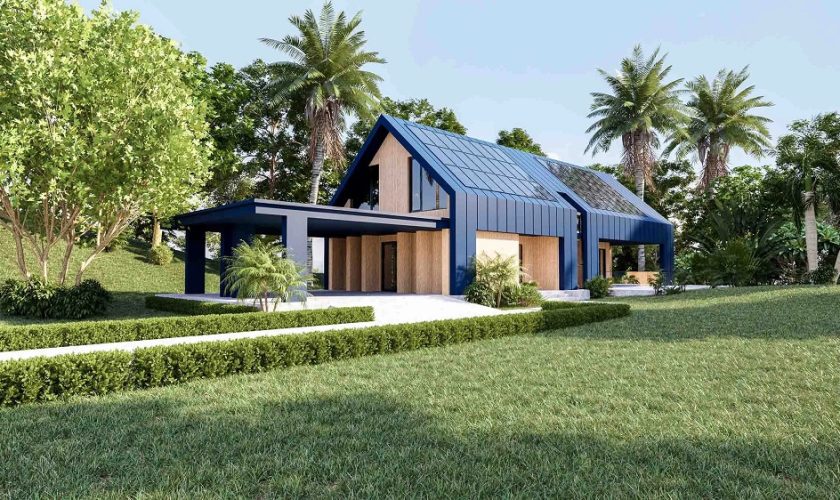
Exterior-integrated photovoltaic surfaces that double as cladding
These innovations blur the line between architecture and performance engineering, creating exteriors that actively contribute to building efficiency.
The Role of Maintenance in Climate-Adaptive Exteriors
Even the most advanced exterior system requires planned maintenance strategies to perform long-term.
High-performance designs prioritize:
-
Accessible inspection zones
-
Replaceable cladding panels
-
Materials with predictable aging patterns
Designing for maintenance reduces lifecycle costs and protects the original performance intent.
Why Climate-Adaptive Exterior Design Is Becoming Non-Negotiable
As weather patterns become more unpredictable, static exterior solutions fall short. Climate-adaptive envelopes provide:
-
Greater resilience against extreme conditions
-
Lower operational energy costs
-
Improved indoor comfort and air quality
-
Increased property value through durability and performance
Exterior design is no longer about first impressions alone—it’s about long-term adaptability.
Frequently Asked Questions
What makes an exterior envelope “climate-adaptive” rather than traditional?
A climate-adaptive envelope responds directly to regional temperature, moisture, and solar conditions instead of relying on one-size-fits-all assemblies.
Is climate-adaptive exterior design only relevant for new construction?
No. Many strategies, such as exterior insulation and rain screen cladding, can be applied effectively during major renovations or re-cladding projects.
How does exterior insulation affect interior living space?
Exterior insulation increases thermal performance without reducing interior square footage, making it more efficient than interior retrofits.
Are high-performance exterior systems significantly more expensive?
Upfront costs may be higher, but long-term energy savings, reduced maintenance, and extended material lifespan often offset the initial investment.
Can climate-adaptive exteriors still support bold architectural styles?
Yes. Modern materials and assemblies allow for advanced performance without limiting creative expression or aesthetic flexibility.
How does climate-adaptive design improve indoor comfort?
By stabilizing interior surface temperatures and controlling air leakage, these exteriors eliminate drafts, cold spots, and overheating near walls.
What is the biggest mistake to avoid in high-performance exterior design?
Ignoring detailing and climate-specific moisture behavior is the most common failure point, even when premium materials are used.