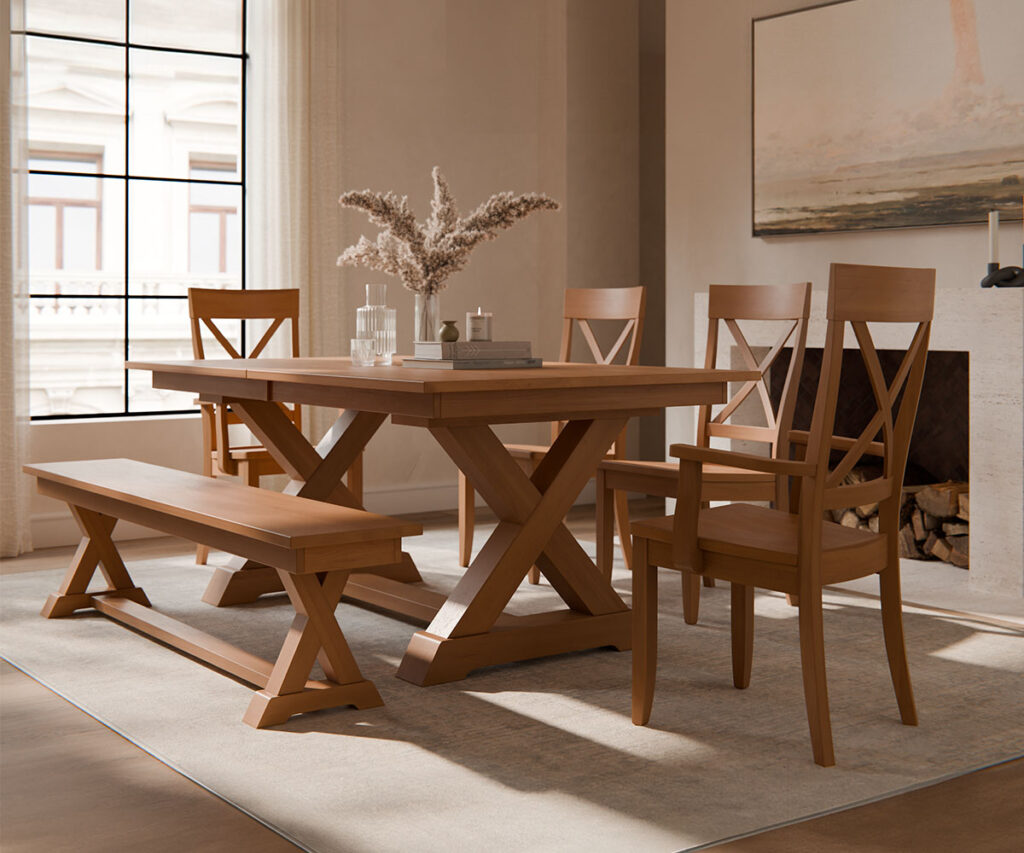
Choosing between custom-made furniture and mass-produced pieces is a dilemma that every homeowner faces when furnishing a space. On one hand, the appeal of mass-produced items lies in their immediate availability and lower price points. On the other hand, custom furniture promises a level of personalization, structural integrity, and longevity that standard retail options rarely match. Deciding which path to take depends on your specific lifestyle, your long-term goals for your home, and your budget priorities. Understanding the distinct differences in craftsmanship, utility, and investment value is essential for making an informed decision that you will not regret in five years.
The Case for Mass-Produced Furniture
Mass-produced furniture, often referred to as ready-to-assemble or flat-pack furniture, dominates the retail market because it serves a clear purpose: affordability and speed. If you are moving into your first apartment, dealing with a temporary housing situation, or simply need a functional table immediately, big-box retailers provide a solution that fits almost any budget.
-
Immediate Gratification: You can walk into a store or browse a website, make a purchase, and have the item in your home within days or even hours.
-
Predictable Aesthetic: Most mass-market retailers follow current design trends, making it easy to achieve a specific look for your home without needing to hire a professional designer.
-
Cost Efficiency: Because these pieces are manufactured in the thousands using automated processes, the cost per unit is significantly lower than anything custom-made.
However, these benefits come with significant trade-offs. The materials used in mass-produced items are often engineered woods like particleboard or medium-density fiberboard, which are held together with staples, glue, and cam-lock fasteners. These materials are prone to warping, moisture damage, and structural fatigue over time. If a piece breaks, it is often impossible to repair, leading to a cycle of disposal and replacement that can end up being more expensive in the long run than a single, high-quality investment.
The Advantages of Custom Craftsmanship
Custom furniture refers to pieces designed and built by a professional artisan or craftsperson to meet your exact requirements. This process involves a dialogue between the client and the builder, resulting in a piece that fits perfectly within the dimensions of your room and the nuances of your personal style.
Tailored Functionality
One of the primary advantages of custom furniture is the ability to solve specific spatial problems. If you have an awkward alcove, a low-slung ceiling, or a need for specialized storage, a custom builder can create a solution that maximizes every inch of available space. Mass-produced items rarely offer this level of precision.
Superior Materials and Construction
Custom pieces are typically built from solid hardwoods like oak, maple, walnut, or cherry. Artisans often employ traditional joinery techniques, such as mortise and tenon or dovetail joints, which provide immense structural strength without relying on metal fasteners that can loosen over time. These pieces are intended to be heirloom quality, meaning they can be passed down through generations.
Emotional Connection and Uniqueness
When you work with a builder, you are involved in the selection of the wood grain, the stain color, and the hardware. You know the story behind the piece and the hands that built it. This creates an emotional connection to the furniture that mass-produced items, which are identical to thousands of others in homes across the country, simply cannot provide.
When to Choose Custom Over Mass-Produced
Deciding between the two is not always an all-or-nothing choice. Many homeowners successfully blend both strategies. For high-traffic areas or pieces that define the character of a room, custom furniture is often the better investment. A dining table, for instance, serves as the heart of a home. A custom-built table will stand up to decades of dinners, homework, and gatherings, whereas a retail version might start to wobble after a few years.
Conversely, for items that are subject to frequent style updates—such as bedside lamps, decorative chairs, or seasonal decor—mass-produced items are perfectly acceptable. You might invest in a custom solid-wood bed frame but pair it with mass-produced side tables that you plan to swap out when your interior design preferences change.
Long-Term Financial Considerations
The initial price tag of custom furniture is inevitably higher. It reflects the cost of high-quality raw materials, the overhead of the artisan, and the labor-intensive process of hand-building. However, viewing the cost through the lens of longevity changes the calculation.
If you purchase a mass-produced sofa for six hundred dollars and it needs to be replaced every five years, you will have spent three thousand dollars over twenty-five years. If you invest three thousand dollars in a custom-built, high-quality sofa, it may last for thirty years or longer with proper care. Custom furniture is a capital investment that maintains its value, whereas mass-produced furniture is a consumer good that loses its value the moment it leaves the store.
Sustainability and Environmental Impact
The environmental footprint of your furniture is becoming an increasingly important factor for many households. Mass-produced furniture is often associated with a fast-consumption model that leads to massive amounts of waste in landfills. The supply chains for these items often involve long-distance shipping from factories overseas, resulting in a large carbon footprint.
Custom furniture is often locally sourced. By hiring a local woodworker, you support your local economy and reduce the energy required for transportation. Furthermore, many artisans prioritize sustainable harvesting practices, ensuring that the wood used in your project comes from responsibly managed forests. Choosing a piece that will last for decades is, by definition, the most sustainable choice you can make.
Frequently Asked Questions
Is custom furniture always more expensive than high-end retail furniture?
Not necessarily. While custom furniture costs more than budget-friendly retail pieces, it is often competitively priced against luxury retail brands that carry significant markups for branding and showroom costs.
How do I find a reputable furniture maker for a custom project?
Start by asking friends and family for local recommendations or browsing online portfolios of craftspeople in your area. Look for professionals who specialize in the type of wood or style you prefer.
Can custom furniture be repaired if it gets damaged?
Yes. Solid wood furniture is highly repairable. Scratches, dents, or broken joints can often be fixed by the original builder or a furniture restoration professional, which is rarely possible with mass-produced particleboard items.
Does custom furniture require special maintenance?
Custom solid wood furniture usually requires basic care, such as dusting with a soft cloth and periodic polishing or oiling, depending on the finish. Avoiding direct sunlight and maintaining stable humidity levels in your home will keep the wood stable for decades.
How long does the custom building process usually take?
The timeline varies based on the builder’s current workload and the complexity of the piece. It can range from a few weeks to several months, so it is important to communicate your timeline with the builder early in the process.
Is it possible to design my own furniture without professional help?
You can create sketches and conceptual designs, but a professional furniture maker will perform the necessary structural engineering to ensure the piece is stable and functional. Their expertise helps translate your vision into a safe, lasting piece of furniture.