Maintaining the exterior of a property requires a careful approach to ensure it remains clean and safe. For instance, when conducting pressure cleaning in Clackmannanshire, it’s vital to use proper techniques and prioritise safety to protect both the property and those performing the work. Below are some top safety practices to keep in mind during exterior cleaning projects.
Use the Right Equipment Correctly
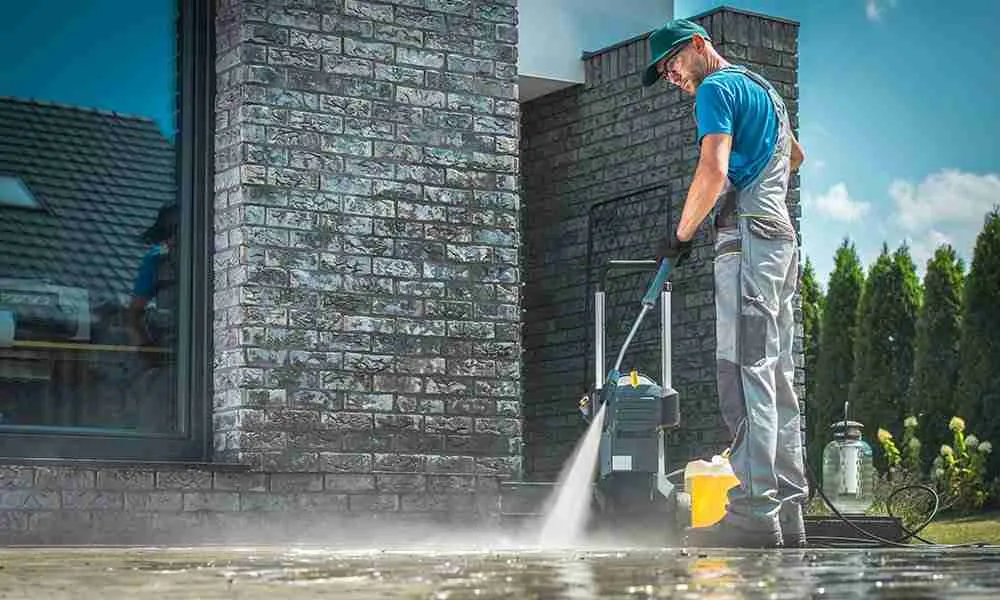
The foundation of a safe exterior cleaning project starts with choosing and using the right equipment. Whether you’re working with pressure washers, brushes, or ladders, ensure they are in good condition and appropriate for the task. Pressure washers, for example, can cause damage or injuries if used incorrectly, so it’s essential to follow the manufacturer’s guidelines and adjust settings to match the surface material.
Proper training on equipment use is also essential. Operators should be familiar with how to safely handle tools, particularly high-powered machinery, to avoid unnecessary accidents. Regular equipment checks and maintenance further ensure reliable performance and minimise safety risks.
Protect Yourself with Proper Gear
Personal protective equipment (PPE) is non-negotiable for exterior cleaning projects. Depending on the task, this might include gloves, goggles, non-slip footwear, and even respiratory masks to protect against harmful chemicals or airborne particles. Wearing the correct gear reduces the risk of injury and ensures comfort during extended cleaning sessions.
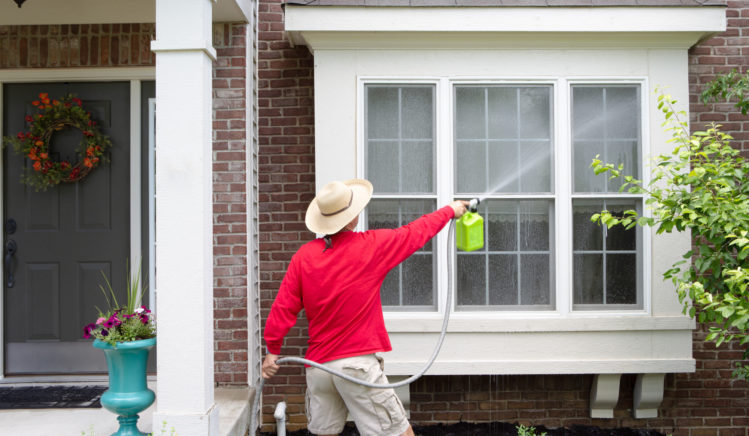
Additionally, ensure clothing is durable and weather-appropriate. Loose or baggy clothing should be avoided as it may catch on equipment or surfaces, creating hazards. Always prioritise gear designed for safety and functionality to maintain a secure working environment.
Work Smart, Not Hard: Safety Techniques
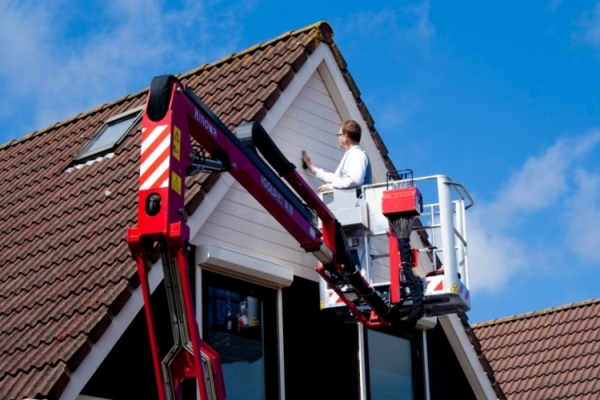
Safety in exterior cleaning goes beyond equipment and gear—it also includes the methods used. Avoid overreaching when working at heights, and always secure ladders or scaffolding to prevent falls. Using harnesses or stabilisers is another effective precaution for high-level tasks.
Consider weather conditions before beginning a project. Wet or windy conditions can increase risks, especially when dealing with slippery surfaces or heavy equipment. Always assess the environment and modify your approach to ensure both efficiency and safety.
Dispose of Waste Responsibly
Exterior cleaning often involves debris, chemical residues, or contaminated water. Proper disposal is crucial not only for environmental reasons but also for preventing hazards. Collect and contain waste appropriately, ensuring it is disposed of in compliance with local regulations.
Failing to clean up thoroughly can leave behind slippery surfaces or harmful materials, creating risks for others. Prioritising responsible waste management contributes to a safer and cleaner environment for everyone.