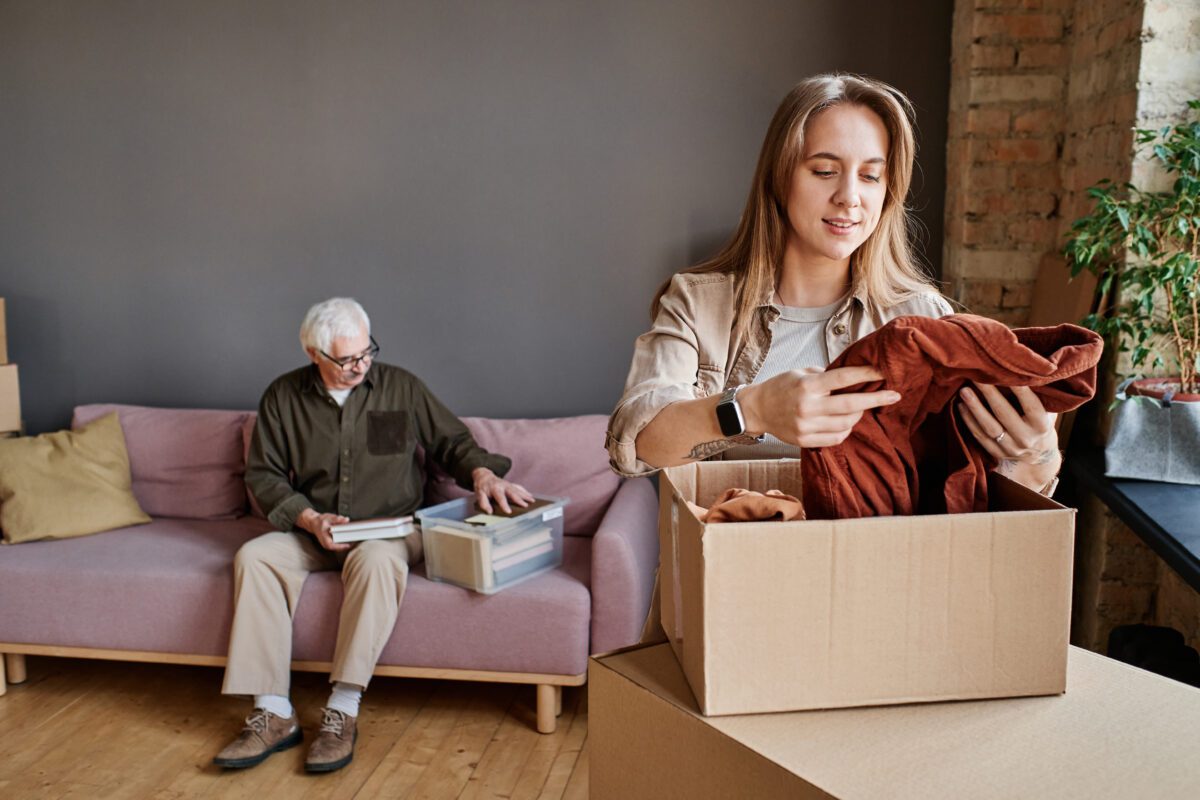
One of the most common moving mistakes is packing in the wrong order. Starting with the wrong items creates unnecessary stress and leaves you scrambling for essentials at the last minute. Knowing what to pack first when moving homes helps you stay organized, protect important belongings, and keep daily life running smoothly until moving day.
This guide breaks down the smartest packing order and explains how to work with the right moving professionals for a seamless experience.
Start With Items You Rarely Use
The first items you pack should be things you won’t need in the coming weeks. These items can stay boxed without disrupting your routine.
Pack these first:
- Seasonal clothing and shoes
- Holiday decorations
- Books, DVDs, and collectibles
- Extra linens and spare bedding
Packing low-use items early builds momentum and clears space.
Pack Storage Areas Early
Storage spaces are often cluttered and time-consuming, making them ideal early targets.
Focus on areas such as:
- Attics and basements
- Garages and sheds
- Guest rooms and closets
Clearing storage areas early reduces overwhelm later in the process.
Box Up Decorative and Non-Essential Items
Decor adds personality to your home, but you don’t need it during the final weeks before a move.
Pack items like:
- Wall art and picture frames
- Decorative pillows and throws
- Lamps not used daily
- Display items and collectibles
Removing décor makes packing furniture easier and safer.
Move on to Off-Season Clothing
Your closet likely holds many items you won’t wear before the move.
Pack first:
- Off-season jackets and coats
- Formalwear and special-occasion outfits
- Shoes and accessories rarely used
Leave only daily essentials accessible.
Pack Kitchen Items You Use Occasionally
The kitchen is often packed last, but many items can go early.
Early kitchen packing includes:
- Specialty cookware and appliances
- Serving dishes and extra glassware
- Pantry items you won’t use soon
Keep a small set of dishes and utensils for daily use.
Prepare a Clearly Labeled Essentials Box
As packing progresses, it’s crucial to set aside essentials you’ll need right away.
Your essentials box should include:
- Toiletries and medications
- Phone chargers and important documents
- Basic tools and cleaning supplies
- Clothes for the first few days
This box should be loaded last and unpacked first.
What to Pack Last
Some items should stay unpacked until moving day or the night before.
Pack these last:
- Daily clothing and shoes
- Bedding and pillows
- Basic kitchen items
- Personal electronics
Packing essentials last keeps your routine intact.
How to Choose the Right Home Moving Company
Knowing what to pack first is only half the equation. Choosing the right home moving company ensures your packed belongings are handled properly and arrive safely.
Look for Movers With Organized Processes
Professional movers value efficiency and structure.
Reliable movers offer:
- Clear packing and loading procedures
- Inventory tracking
- Room-by-room placement at delivery
An organized mover complements your packing strategy.
Ask About Packing and Handling Services
Some moving companies offer packing assistance for specific items.
Confirm whether they provide:
- Partial or full packing services
- Specialty packing for fragile items
- Quality packing materials
This support can save time and reduce damage.
Review Experience and Customer Feedback
Reputation matters when trusting someone with your belongings.
Check for reviews mentioning:
- Careful handling
- On-time service
- Clear communication
Consistent positive feedback is a strong reliability indicator.
Understand Pricing and Contracts Clearly
Before committing, make sure all terms are transparent.
Ensure clarity on:
- Hourly or flat-rate pricing
- Additional service fees
- Liability and coverage options
Clear contracts prevent surprises on moving day.
Frequently Asked Questions
How early should I start packing before a move?
Most people benefit from starting 4–6 weeks before moving day, beginning with non-essential items.
Should I pack everything myself or hire movers to pack?
Self-packing saves money, while professional packing saves time and may reduce damage risk.
How do I keep track of packed boxes?
Use clear labels, room names, and a simple inventory list for better organization.
Can I pack items movers won’t transport?
Avoid packing hazardous materials, perishables, and personal valuables.
How do I avoid overpacking boxes?
Keep boxes under manageable weight limits and distribute heavy items evenly.
What if I need something after it’s packed?
Keep a “last-minute” box for items you may still need and seal it on moving day.
Does packing order really make a difference?
Yes, packing in the right order reduces stress, protects essentials, and speeds up unpacking.
Packing strategically makes moving far less overwhelming. By starting with non-essential items, saving daily necessities for last, and choosing the right moving company, you set yourself up for a smoother, more organized transition into your new home.