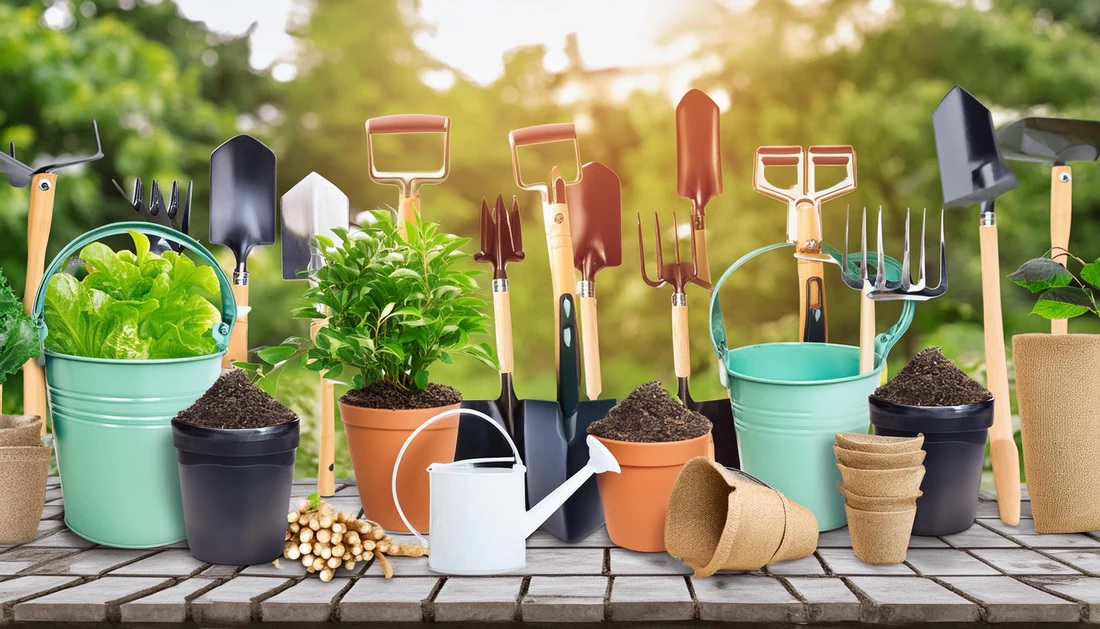
Gardening is a rewarding hobby that not only nurtures our connection to nature but also provides fresh produce and beautiful landscapes. Whether you’re an experienced gardener or just starting out, having the right tools can significantly enhance your gardening experience. This guide will explore the essential tools every gardener should consider, ensuring you are well-equipped for planting, maintaining, and harvesting your garden.
1. Hand Tools
Hand tools are the backbone of any gardener’s toolkit. They are essential for a variety of tasks, from digging to planting and weeding.
Trowel
A trowel is a versatile tool that every gardener needs. It features a pointed, scooped metal blade that is perfect for digging small holes, planting seeds, and transplanting seedlings. Choose a trowel with a comfortable grip, as you’ll be using it frequently.
Hand Fork (Cultivator)
A hand fork, or cultivator, is invaluable for breaking up soil and aerating garden beds. It helps to loosen compacted soil and mix in compost or fertilizers. This tool is particularly useful when preparing a new bed or maintaining existing ones.
Pruning Shears
Pruning shears are essential for maintaining the health of your plants. They allow you to trim dead or diseased branches and shape shrubs and flowers for better growth. Look for a pair that fits comfortably in your hand and has a sharp blade for clean cuts.
Weeder
A weeder is specifically designed to remove unwanted weeds from your garden. It often features a long, narrow blade or a forked end that can easily slip beneath the weed’s root system. This tool is crucial for keeping your garden tidy and healthy without damaging nearby plants.
2. Digging Tools
For larger planting tasks, digging tools are necessary. These tools are designed to handle more demanding soil work.
Garden Spade
A garden spade is a larger, flat-bladed tool perfect for digging, edging, and turning soil. Its sharp edge makes it effective for breaking up compacted soil, and it can also be used to create straight edges for garden beds.
Garden Fork
A garden fork, also known as a pitchfork, is ideal for turning over soil, mixing in compost, and aerating the ground. Its sturdy tines penetrate hard soil easily, making it a valuable tool for preparing beds before planting.
3. Watering Tools
Proper watering is crucial for the health of your garden, making watering tools indispensable.
Garden Hose
A good-quality garden hose is essential for watering your plants. Look for one that is durable, flexible, and long enough to reach all areas of your garden. Consider investing in a hose reel to keep it organized and prevent tangling.
Watering Can
For smaller gardens or indoor plants, a watering can is a practical choice. Opt for a can with a removable spout that allows for precise watering, especially when tending to delicate seedlings or potted plants.
Spray Nozzle
A spray nozzle attaches to your garden hose and allows for adjustable water flow, from a gentle mist for seedlings to a strong stream for deeper watering. This flexibility can help you conserve water and target specific areas of your garden effectively.
4. Safety Gear
Safety should always be a priority while gardening. Proper gear protects you from injuries and enhances your comfort.
Gloves
A good pair of gardening gloves is essential for protecting your hands from thorns, blisters, and dirt. Choose gloves made from durable materials with a comfortable fit. Some gloves are specifically designed for tasks like pruning or digging, providing extra protection where needed.
Kneeling Pad
Gardening can be tough on your knees, especially when planting or weeding. A kneeling pad provides cushioning and support, making it more comfortable to work at ground level. Look for one that is durable and easy to clean.
Sun Protection
If you’re spending long hours in the garden, protecting yourself from the sun is vital. A wide-brimmed hat, sunglasses, and sunscreen are essential tools for safeguarding your skin from harmful UV rays.
5. Harvesting Tools
Once your hard work pays off, harvesting tools will help you gather the fruits (and vegetables) of your labor.
Harvesting Knife
A sharp harvesting knife is perfect for cutting fruits and vegetables from their plants without damaging the surrounding foliage. Look for a knife with a comfortable grip that allows for precision cutting.
Baskets or Buckets
Gathering your harvest requires containers. Baskets or buckets are ideal for collecting fruits, vegetables, and flowers. Choose a size that is manageable for you, and consider using breathable materials for fruits and vegetables to prevent spoilage.
6. Additional Useful Tools
In addition to the essentials, several other tools can make gardening easier and more enjoyable.
Garden Cart
A garden cart is a convenient way to transport tools, soil, and plants around your garden. It can save your back and make moving heavy items much simpler.
Soil Tester
A soil tester can help you monitor the pH and nutrient levels in your garden soil. Understanding your soil’s health allows you to amend it effectively, ensuring your plants thrive.
Garden Journal
Keeping a garden journal is an invaluable tool for tracking your planting dates, growth progress, and any challenges you encounter. This record can provide insights that help improve your gardening practices over time.
Final Thoughts
Equipping yourself with the right tools can significantly enhance your gardening experience. From hand tools for everyday tasks to safety gear and harvesting implements, having the essentials on hand will help you cultivate a thriving garden. As you invest in these tools, consider your gardening style and preferences to ensure your toolkit meets your unique needs. Happy gardening!