Thatch, the layer of organic material that accumulates between the grass blades and the soil surface, can become a significant concern for lawn care enthusiasts. While a thin layer of thatch can be beneficial, providing insulation and moisture retention, excessive thatch can hinder grass growth, leading to various problems such as poor drainage, increased pests, and disease. This guide will explore effective methods to remove thatch from your lawn, ensuring a healthier and more vibrant yard.
Understanding Thatch
Before delving into removal techniques, it is essential to understand what thatch is and how it forms. Thatch consists of dead grass, roots, and other organic debris that can accumulate over time. It typically builds up in lawns that receive excessive fertilizer, inadequate watering, or limited aeration. A layer of thatch greater than half an inch can create problems for your lawn, such as suffocating the grass roots and preventing water and nutrients from penetrating the soil.
Signs of Thatch Buildup
Identifying the presence of excessive thatch is crucial for taking appropriate action. Look for the following signs:
- Poor Drainage: If water tends to pool on the surface rather than being absorbed, it may indicate thatch buildup is obstructing water penetration.
- Moss Growth: Moss growing in your lawn can signal poor drainage and excessive thatch, as moss thrives in damp, shady conditions.
- Grass Decline: If your grass appears thin, weak, or patchy, it may struggle to grow due to the suffocating layer of thatch.
- Pests and Disease: An overabundance of thatch can attract pests and contribute to the development of diseases, leading to further lawn deterioration.
Steps to Remove Thatch
Once you’ve determined that your lawn has excessive thatch, you can take several steps to effectively remove it.
1. Assess Your Lawn
Before beginning the removal process, evaluate your lawn’s condition. Check for other underlying issues, such as poor soil health or improper watering practices, that may contribute to thatch accumulation. Addressing these factors will improve your overall lawn care strategy.
2. Timing Your Thatch Removal
The timing of thatch removal is crucial for minimizing stress on your lawn. The best time to dethatch is during the growing season, typically in early spring or early fall, depending on your grass type. Cool-season grasses benefit from dethatching in early spring or early fall, while warm-season grasses thrive when dethatched in late spring or early summer.
3. Manual Removal Techniques
If the thatch layer is thin (less than half an inch), you may opt for manual removal techniques:
- Raking: Use a stiff-tined rake to gently pull up thatch and debris from the lawn surface. This method is effective for small areas but can be labor-intensive for larger lawns.
- Thatching Rake: A thatching rake, equipped with sharp, curved tines, can make the process more efficient. This tool is designed specifically for removing thatch, allowing you to work through the layer more effectively.
4. Mechanical Dethatching
For thicker layers of thatch (greater than half an inch), mechanical dethatching is often necessary. There are two primary options:
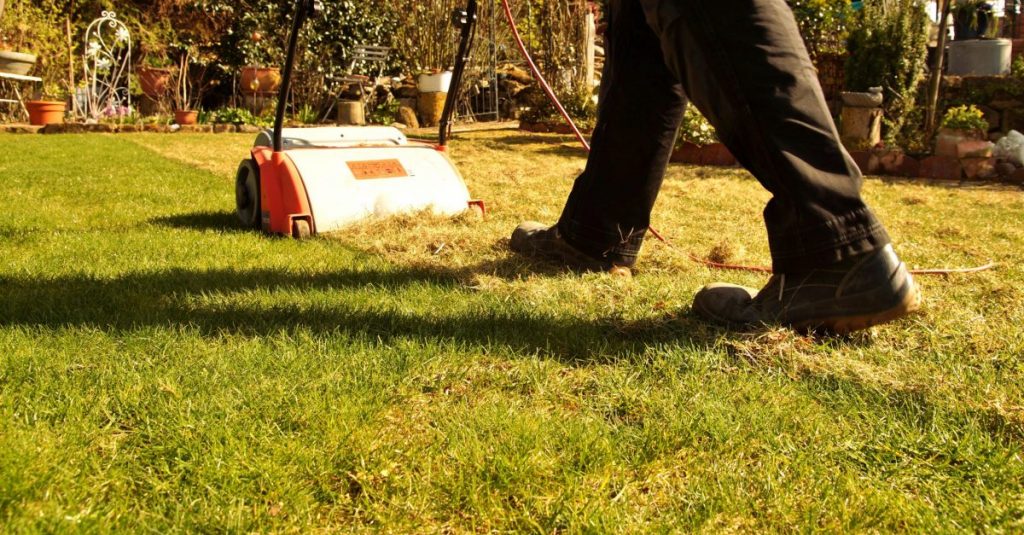
- Dethatching Machine: Many garden centers and hardware stores offer dethatching machines for rent. These machines use rotating blades to penetrate the thatch layer, pulling up the debris and allowing it to be collected easily. Follow the manufacturer’s instructions for optimal use, and ensure you operate the machine at a slow pace to achieve thorough results.
- Power Rake: A power rake is a more advanced tool that resembles a lawn mower but has specialized tines designed for thatch removal. Like dethatching machines, power rakes can be rented from equipment suppliers or garden centers. This method is effective for larger lawns and significantly reduces the effort required for manual raking.
5. Clean Up the Debris
After dethatching, it’s crucial to clean up the removed thatch and debris from your lawn. Rake up the loose material and either compost it (if it’s not diseased) or dispose of it properly. Leaving thatch on the lawn can lead to more problems, as it may decompose and contribute to additional layers of thatch.
6. Aerate Your Lawn
After removing thatch, consider aerating your lawn. Aeration involves perforating the soil with small holes to allow air, water, and nutrients to penetrate the grass roots more effectively. This process encourages healthy grass growth and helps to prevent future thatch buildup.
7. Fertilize and Water
Once your lawn is dethatched and aerated, give it a boost with proper fertilization and watering. Apply a balanced, slow-release fertilizer to provide the necessary nutrients for recovery. Ensure you water adequately to encourage deep root growth, particularly in the weeks following dethatching.
8. Monitor Your Lawn
After completing the dethatching process, monitor your lawn’s health over the following weeks and months. Look for signs of improvement, such as thicker grass and better drainage. Maintain proper mowing, watering, and fertilization practices to support your lawn’s recovery and prevent future thatch buildup.
Preventing Future Thatch Buildup
To keep thatch from becoming an issue in the future, consider the following prevention tips:
- Proper Mowing: Mow at the appropriate height for your grass type and avoid cutting more than one-third of the grass blade at once. This practice encourages healthy grass growth and minimizes stress.
- Balanced Fertilization: Apply fertilizers based on soil tests to avoid over-fertilization, which contributes to thatch buildup. Focus on organic options when possible, as they break down more easily.
- Adequate Watering: Water deeply and infrequently to encourage deep root growth and prevent the conditions that lead to thatch buildup. Avoid overwatering, which can exacerbate the problem.
- Regular Aeration: Aerate your lawn annually or biannually to improve soil structure and prevent compaction, making it less prone to thatch accumulation.
By understanding the importance of thatch management and implementing these techniques, you can enjoy a healthier, more resilient lawn. A well-maintained lawn not only enhances your outdoor space but also contributes to the overall health of your local ecosystem. With diligence and care, your lawn can thrive and provide a beautiful green oasis in your yard.