Creating an effective pest control plan is essential for maintaining a healthy and comfortable living environment. Pests can not only damage property but also pose health risks to you and your family. A well-structured pest control plan can help you proactively manage potential infestations, ensuring your home remains a safe haven. Here’s a detailed guide on how to create an effective pest control plan tailored to your specific needs.
Understanding Your Pest Control Needs
The first step in creating a pest control plan is to understand the specific needs of your home. Different environments attract different pests, and awareness of your unique situation is key.
- Identify Common Pests: Start by identifying the types of pests that are prevalent in your area. Common household pests include ants, cockroaches, termites, rodents, and bed bugs. Research local pest trends, as certain species may be more active during specific seasons.
- Assess Your Home’s Vulnerabilities: Conduct a thorough inspection of your property. Look for potential entry points such as cracks in walls, gaps around windows and doors, and any holes in the foundation. Pay attention to areas that may provide food or shelter for pests, like kitchens, basements, and attics.
Establishing a Monitoring System
Once you have a clear understanding of the pests that may invade your home, the next step is to set up a monitoring system.
- Regular Inspections: Schedule regular inspections of your home, ideally every few months. During these inspections, check for signs of pest activity such as droppings, nests, or damage to structures.
- Use Traps and Baits: Place traps or bait stations in areas where pests are likely to enter or travel. Sticky traps can be effective for monitoring insect populations, while bait stations can help control rodent activity.
- Keep a Log: Maintain a log of your inspections and any signs of pest activity. This record can help identify patterns and determine the best course of action when an infestation occurs.
Implementing Preventive Measures
Preventing pests from entering your home is one of the most effective ways to manage infestations. Here are several strategies to consider:
- Seal Entry Points: Use caulk or weather stripping to seal cracks, gaps, and holes around windows, doors, and the foundation. Pay special attention to utility lines and plumbing access points, as these can also serve as entry points.
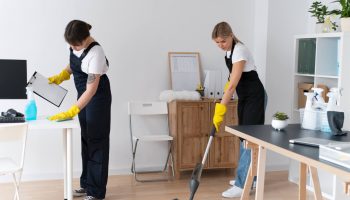
- Maintain Cleanliness: Regular cleaning is essential for reducing pest attraction. Keep kitchen surfaces clean, store food in airtight containers, and promptly clean up spills. Declutter your home to eliminate hiding spots for pests.
- Manage Outdoor Spaces: Landscaping can influence pest activity. Trim overgrown plants, remove standing water, and keep firewood stored away from the home. These practices will help reduce the likelihood of pests making their way indoors.
Choosing Pest Control Methods
When pests do invade, it’s important to have a variety of control methods at your disposal. Consider the following options:
- Natural Remedies: Many homeowners prefer natural pest control methods. Essential oils like peppermint, lavender, and tea tree oil can repel certain insects. Vinegar and baking soda can also be effective for managing pests without harsh chemicals.
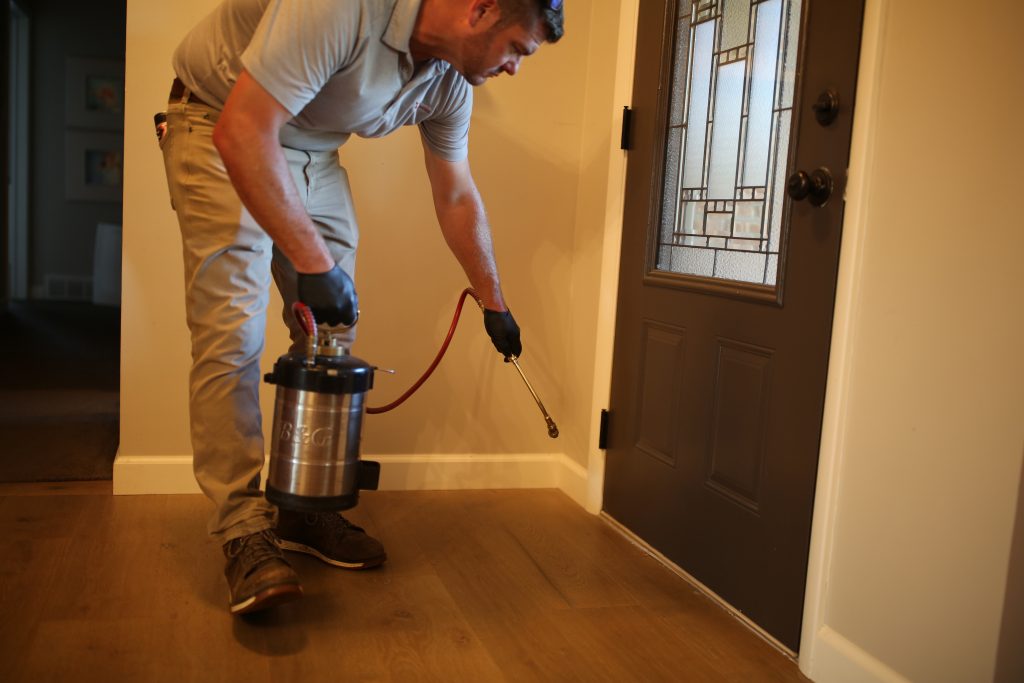
- Chemical Solutions: If natural remedies aren’t sufficient, consider using chemical solutions. Be sure to select products that are specifically designed for the type of pest you’re dealing with, and follow all label instructions carefully. Always prioritize safety, especially if you have children or pets.
- Integrated Pest Management (IPM): This holistic approach combines multiple strategies to manage pests effectively. IPM focuses on understanding pest life cycles, using traps and baits, and applying pesticides as a last resort. It emphasizes long-term prevention and environmental health.
Working with Professionals
In some cases, professional pest control services may be necessary. Here’s how to choose a reliable service:
- Research Local Companies: Look for pest control companies in your area with positive reviews and a solid reputation. Check their credentials and ensure they are licensed and insured.
- Ask Questions: Don’t hesitate to ask potential providers about their methods, products, and pricing. Understanding their approach will help you feel more confident in your choice.
- Schedule Regular Treatments: Once you select a pest control service, consider setting up regular treatments. Routine visits can help catch any potential infestations early and maintain a pest-free environment.
Education and Awareness
One of the most powerful tools in pest management is education. Equip yourself and your family with knowledge about pests and prevention techniques.
- Stay Informed: Keep up to date with local pest trends and seasonal changes that may affect pest activity. Many local extension services offer resources and information about managing pests.
- Teach Your Family: Share pest prevention strategies with your family. Teaching children to clean up after themselves and report any signs of pests can create a more proactive household.
Reviewing and Adjusting Your Plan
Finally, it’s important to regularly review and adjust your pest control plan. As seasons change and your home’s environment evolves, so too should your approach to pest management.
- Evaluate Effectiveness: After implementing your pest control measures, assess their effectiveness. Are you seeing fewer pests? Is your monitoring system catching issues early?
- Make Necessary Adjustments: If certain methods aren’t working, be open to adjusting your strategy. This may include trying new products, changing monitoring techniques, or addressing any new vulnerabilities in your home.
A Proactive Approach to Pest Control
Creating a comprehensive pest control plan for your home requires careful consideration and ongoing effort. By understanding the risks, implementing preventive measures, and remaining vigilant, you can effectively manage pests and maintain a comfortable living space. A well-structured plan not only protects your home but also promotes peace of mind, allowing you to focus on what truly matters: enjoying your living environment.