The kitchen remains the undeniable heart of the home, serving as a multifunctional space for cooking, socializing, and daily family life. As interior design philosophies shift toward a balance of clean aesthetics and high-utility functionality, kitchen cabinetry has evolved beyond simple wooden boxes into architectural statements. Modern cabinet design focuses heavily on personalization, seamless integration, and innovative material choices that redefine how a kitchen looks and operates. Keeping pace with these developments allows homeowners to create spaces that feel current, sophisticated, and durable against changing trends.
The Rise of Handleless Cabinetry
One of the most defining movements in contemporary kitchen architecture is the elimination of traditional hardware. Clean lines and uninterrupted surfaces dominate modern design portfolios, making handleless cabinets an increasingly popular choice for forward-thinking homeowners.
-
Push-to-Open Technology: Mechanical or electrical push latches allow doors and drawers to pop open with a gentle touch of the knee, hip, or hand, keeping hands-free convenience at the forefront.
-
Integrated J-Pulls and Channels: Recessed grooves carved directly into the top or side of the cabinet door create a shadow line that acts as a subtle pull without interrupting the flat plane of the cabinetry.
-
Minimalist Visual Flow: By removing protruding knobs and handles, the kitchen takes on a streamlined appearance that makes small spaces feel larger and large spaces feel monumental.
This minimalist approach does more than just look sleek; it also improves kitchen safety and functionality. Without handles catching on clothing or blocking narrow walkways, navigating a busy cooking space becomes much smoother.
Embracing Natural Wood Grains and Warmth
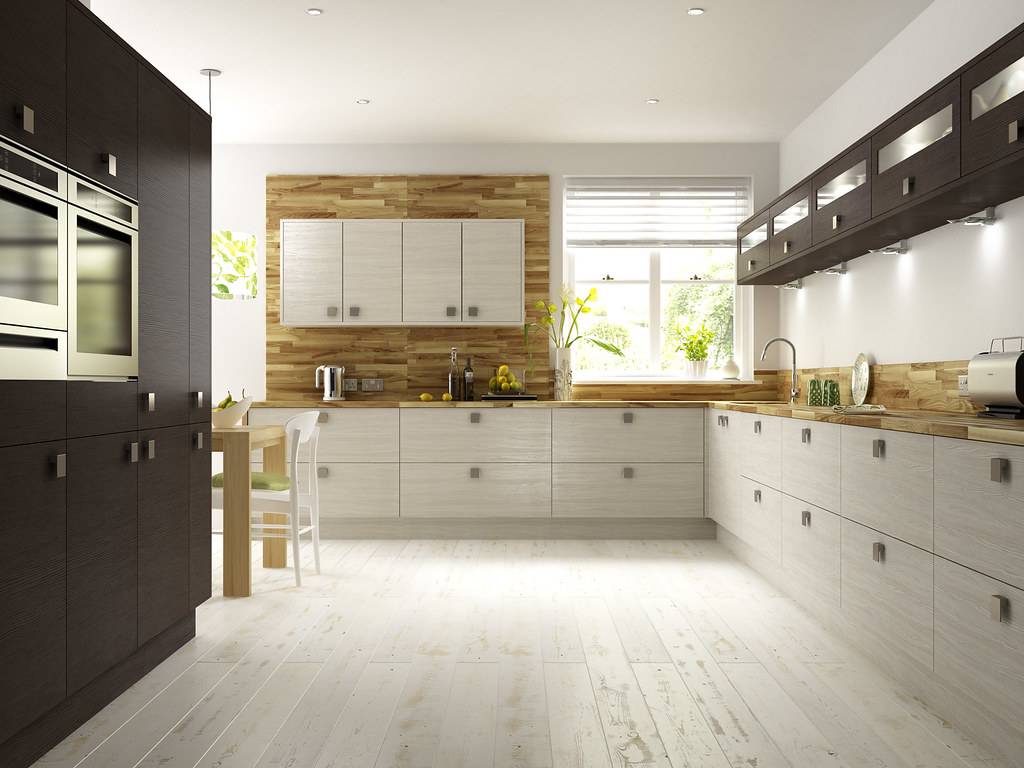
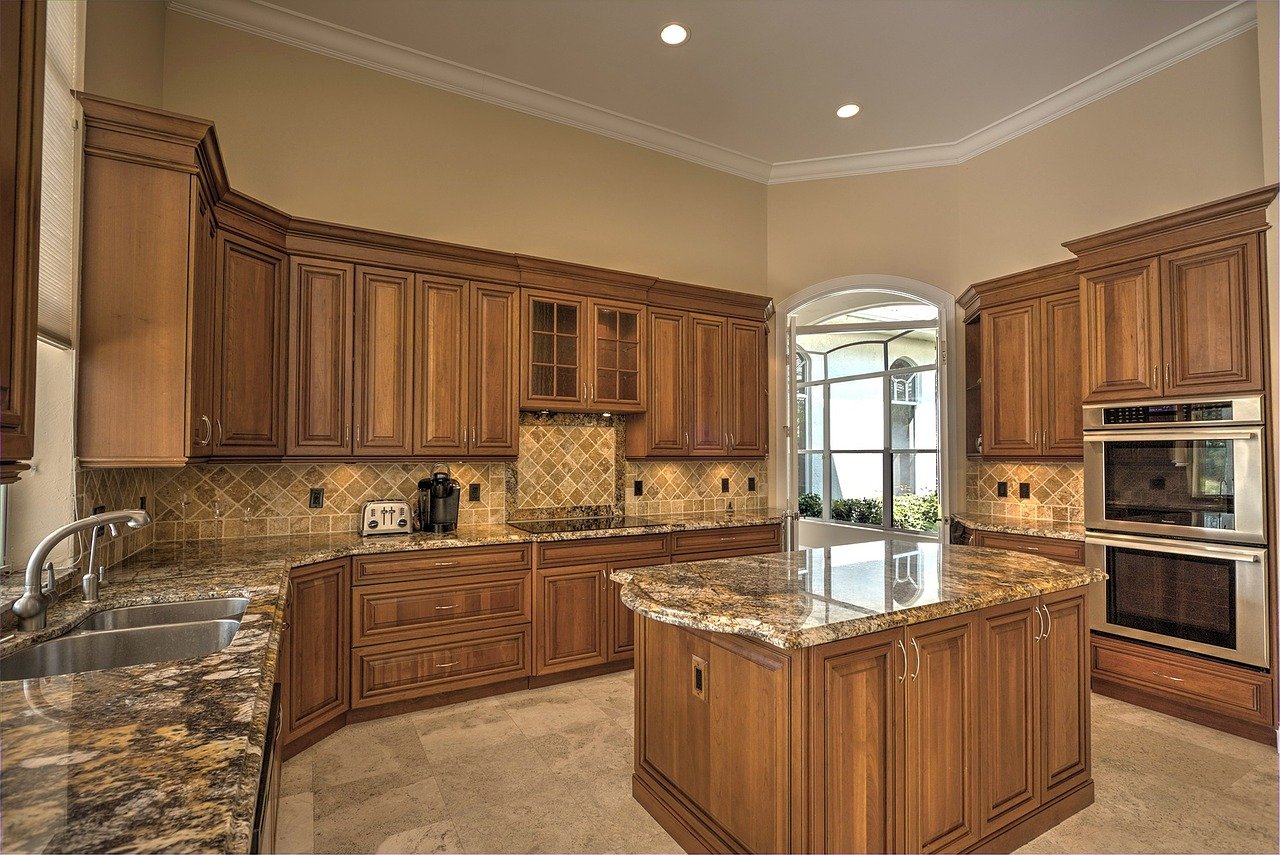
While stark white and high-gloss gray kitchens dominated the previous decade, current design trends favor warmth, texture, and organic connections. Flat-panel and slab cabinets crafted from rich wood species are experiencing a massive resurgence in modern residential architecture.
-
White Oak and Walnut: These premier hardwoods offer distinct, linear grain patterns that add immediate organic depth to a room without overwhelming the visual field.
-
Low-Sheen Finishes: Matte and ultra-low-sheen varnishes protect the wood while preserving its natural tactile feel, allowing the authentic texture of the grain to shine through.
-
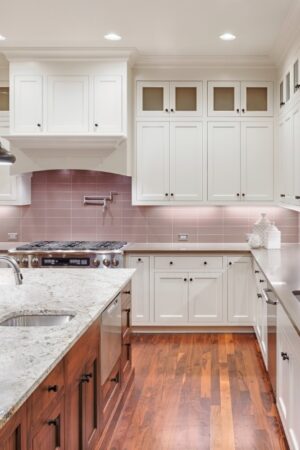
Two-Tone Layouts: Combining warm wood base cabinets with crisp upper cabinets or a contrasting island creates a balanced composition that feels grounded and dynamic.
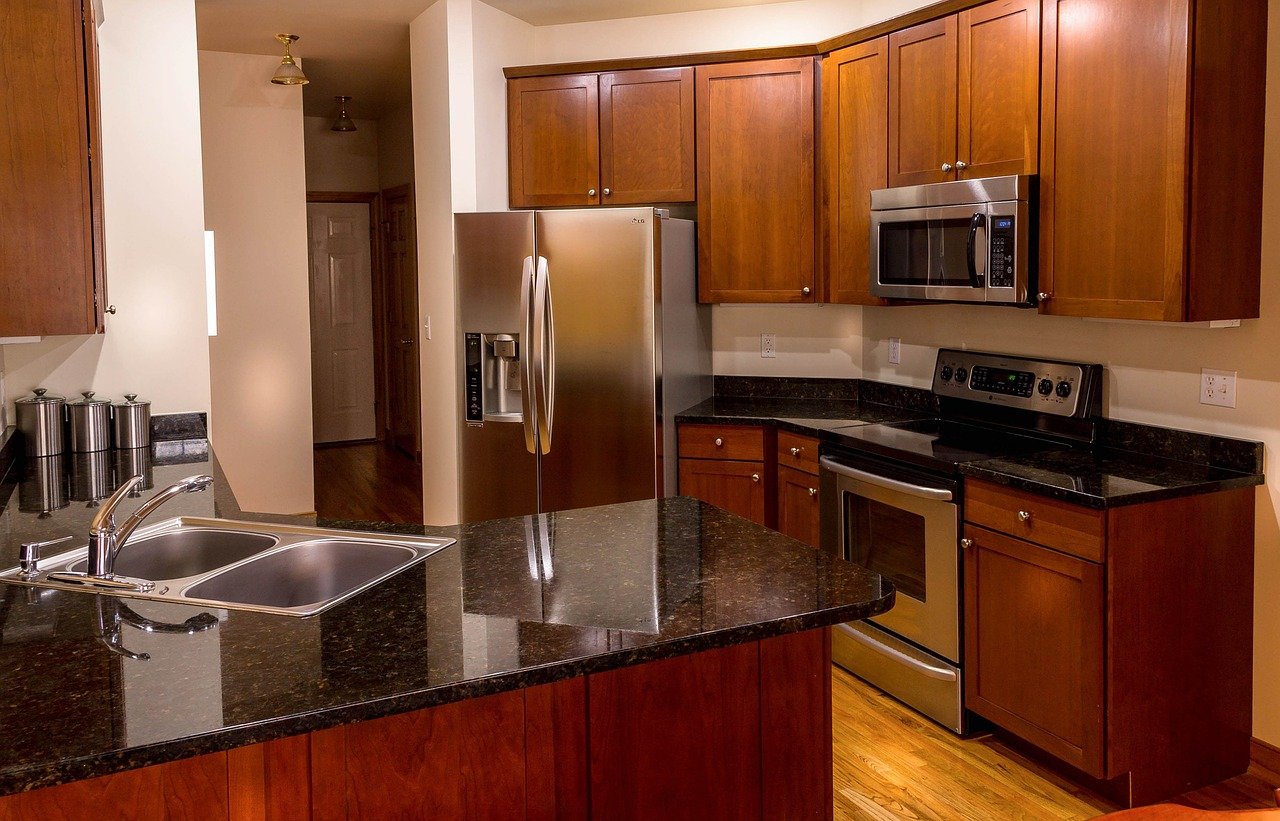
This shift toward organic materials reflects a broader desire to bring nature indoors. Wood cabinetry introduces an element of comfort that softens the hard surfaces of stone countertops and stainless steel appliances.
Fluted Panels and Textured Surfaces
Flat surfaces still hold a prominent place in design, but dimensional texture has emerged as a major trend for homeowners looking to add architectural interest to their kitchens. Fluted, reeded, and paneled cabinet fronts transform standard millwork into bespoke artwork.
-
Vertical Fluting: Narrow, repeating grooves carved into drawer fronts or island panels draw the eye upward and add a layer of sophisticated tactile interest.
-
Strategic Accent Placement: Rather than covering every cabinet in texture, designers often apply fluting selectively to a kitchen island base, a pantry facade, or a coffee bar alcove to create a striking focal point.
-
Shadow and Light Play: Textured surfaces catch natural and artificial light differently throughout the day, creating subtle shifts in tone and depth that make the kitchen feel alive and dynamic.
Maximizing Hidden Functionality
Modern cabinetry is defined just as much by what happens on the inside as it is by the exterior facade. Homeowners demand storage solutions that eliminate clutter and optimize every square inch of available space.
-
Appliance Garages: Dedicated countertop cabinets with pocket doors or roll-up shutters conceal coffee makers, blenders, and toasters, keeping the main countertops pristine and clear of visual noise.
-
Deep Drawer Organizers: Replacing traditional lower cabinet doors with deep, pull-out drawer stacks allows pots, pans, and dishware to be accessed easily without bending down or rummaging through dark corners.
-
Integrated Charging Stations: Built-in power outlets inside drawers keep tablets, phones, and small electronics out of sight while charging, maintaining clean kitchen surfaces.
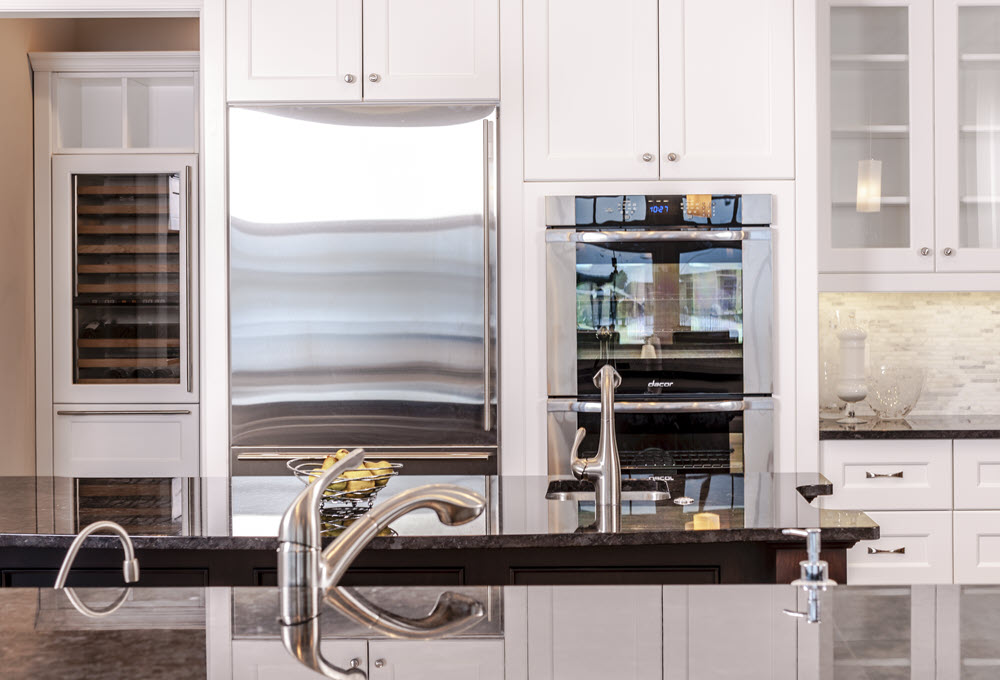
These hidden features ensure that the kitchen remains an efficient workspace while retaining the polished look of a formal living area.
Two-Tone and Color-Drenched Palettes
Monochromatic kitchens are giving way to expressive color choices that reflect personal style and create defined zones within an open floor plan. Homeowners are increasingly willing to step away from safe neutrals in favor of moody, saturated hues.
-
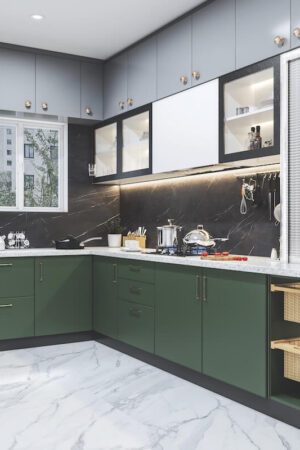
Color Drenching: Painting the walls, trim, and cabinetry in the exact same deep color, such as forest green, navy, or charcoal, creates a cocoon-like atmosphere that feels intentional and dramatic.
-
Earthy Mid-Tones: Terracotta, sage green, dusty olive, and muted clay tones serve as sophisticated alternatives to standard primary colors, offering warmth and versatility.
-
Contrast Islands: A popular strategy involves keeping perimeter cabinets neutral while painting the central kitchen island in a bold, contrasting shade to anchor the space.
Sustainable and Eco-Friendly Materials
Environmental consciousness plays an increasingly vital role in cabinet selection. Homeowners and designers are seeking out materials and manufacturing processes that minimize ecological impact without sacrificing durability.
-
FSC-Certified Woods: Sourcing lumber from forests managed according to strict environmental and social standards ensures that cabinetry does not contribute to deforestation.
-
Recycled and Alternative Materials: Agricultural byproducts, recycled aluminum framing, and low-emission composite boards provide durable alternatives to traditional virgin materials.
-
Non-Toxic Finishes: Utilizing zero-VOC paints and water-based sealants protects indoor air quality and ensures a healthier living environment for the household.
Frequently Asked Questions
What is the most durable wood species for kitchen cabinets?
Hardwoods such as white oak, hard maple, and hickory offer exceptional durability, high resistance to dents and scratches, and structural stability that lasts for decades.
How do I clean and maintain handleless cabinets without leaving fingerprints?
Use a soft microfiber cloth dampened with a mixture of warm water and a tiny drop of mild dish soap, followed by a dry cloth to prevent water spots and keep the finish looking pristine.
Are open shelving units replacing upper cabinets entirely?
While open shelving remains popular for displaying dishware and adding an airy feel, fully enclosed upper cabinets are still preferred by most homeowners for maximum dust-free storage capacity.
What is the difference between framed and frameless cabinet construction?
Framed cabinets feature a structural face frame attached to the front of the cabinet box, whereas frameless or full-access cabinets omit the frame, providing wider openings and easier access to storage space.
How can I update my existing kitchen cabinets without a full replacement?
You can dramatically transform your kitchen on a budget by applying a fresh coat of quality paint, swapping out old hardware for modern pulls, or replacing select upper doors with glass-front inserts.
What countertop materials pair best with textured wood cabinets?
Quartzite, honed granite, and solid surface countertops with subtle, quiet veining complement textured wood cabinets best without competing for visual attention in the room.
How do soft-close mechanisms improve the lifespan of kitchen cabinets?
Soft-close hinges and drawer slides prevent slamming, which reduces structural stress on joints, minimizes wear and tear on the hardware, and protects the cabinet boxes from long-term impact damage.