




Home

Home

How Locksmiths Can Help in Non-Emergency Situations

While locksmiths are often associated with emergency lockouts and urgent situations, their skills and services extend far beyond just those critical moments. Locksmiths provide a range of services that can enhance security, improve convenience, and offer peace of mind in non-emergency situations. Whether you’re moving into a new home, upgrading your security system, or simply looking to enhance your home’s functionality, locksmiths play a vital role in addressing your needs. Here’s how locksmiths can assist in non-emergency situations.

1. Rekeying Locks for Improved Security

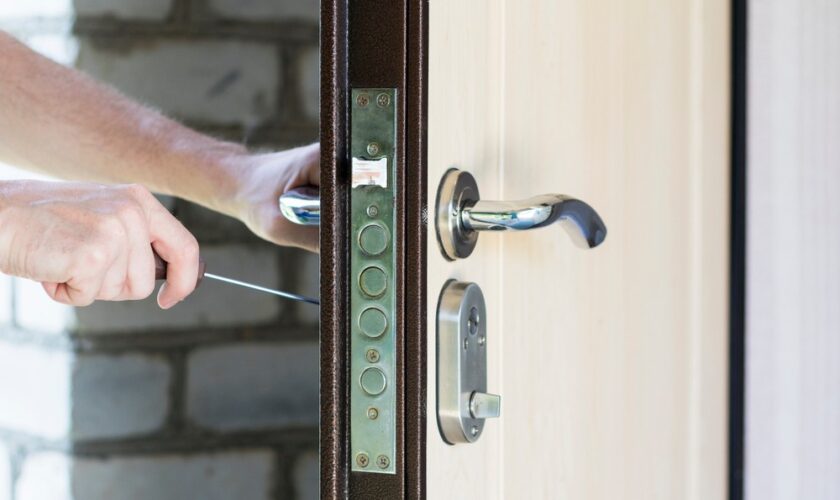
One of the most common reasons to hire a locksmith in a non-emergency situation is rekeying your locks. Rekeying involves altering the internal mechanism of a lock so that it can be operated by a new key. This service is often requested when someone moves into a new home or office, or after losing a set of keys.

When you rekey a lock, it ensures that previous keys no longer work, preventing unauthorized access from previous tenants, homeowners, or individuals who might have copies of the old keys. This can be an excellent way to improve security without having to replace entire locking systems.

For businesses, rekeying is also valuable in maintaining security when employees leave or when keys are lost or stolen. Rekeying is a cost-effective alternative to replacing locks entirely, and it offers peace of mind that only the new keyholders can access the property.

2. Upgrading Security with New Locks and Systems

As technology advances, so do the security solutions available to homeowners and businesses. Locksmiths are skilled in installing modern locking systems, including electronic locks, smart locks, and high-security deadbolts. These types of locks provide enhanced protection against break-ins and unauthorized access.

  • Electronic locks: These offer keyless entry and can be controlled through keypads, fobs, or even smartphones. Some models can be integrated with home automation systems, allowing you to manage your locks remotely.
  • Smart locks: With smart locks, you can monitor your property’s security in real time. These locks can be programmed to allow temporary access to guests, service personnel, or delivery drivers, making them ideal for busy families or those who frequently entertain guests.
  • High-security deadbolts: For those looking for maximum security, high-security deadbolts are designed to resist tampering and picking, offering an extra layer of defense against burglars.

By working with a locksmith, you can select the best upgrade for your security needs, whether it’s for your home, office, or rental property. A professional locksmith can also help you integrate these systems seamlessly into your existing setup, ensuring they function properly.

3. Creating Master Key Systems for Convenience

A master key system is a sophisticated way of managing access to various doors or areas while maintaining strict control over who has access. Locksmiths can create a master key system that allows property owners or managers to hold one key that opens multiple locks, while individuals who need access to specific areas can have their own unique keys.

This system is especially useful in larger homes or multi-unit buildings, such as apartment complexes, where different people need access to different areas. With a master key system, you can streamline access while still maintaining security and control over who enters each area. For businesses, this system offers convenience for managers and employees while ensuring sensitive areas remain secure.

4. Fixing or Replacing Worn-Out Locks

Locks, like any mechanical device, wear out over time. If you notice that a door lock is becoming increasingly difficult to turn, or if it starts malfunctioning regularly, it may be time to call in a locksmith. They can assess the condition of your locks and determine if they need to be repaired or replaced.

Regular maintenance of locks helps to ensure that they continue to operate smoothly, reducing the likelihood of a sudden failure. A locksmith can clean, lubricate, and repair locks, helping to extend their lifespan. If a lock is beyond repair, a locksmith can suggest a suitable replacement that maintains or enhances your security.

5. Installing and Maintaining Safes

For individuals or businesses that deal with valuable items, installing a safe is an important step in safeguarding assets. Locksmiths not only install safes but also help with maintenance and repairs. Whether you’re looking to protect important documents, cash, or valuables, a well-installed safe offers peace of mind.

Locksmiths can recommend the best type of safe based on your needs, such as fireproof safes, burglary-resistant safes, or electronic safes. After installation, locksmiths can also offer services like combination changes, repairs, and unlocking if you forget the code or lose the key.

6. Key Duplication and Customization

While most people know that locksmiths can make duplicate keys in emergency situations, this service is also useful in non-emergency situations. Whether you need additional keys for your household or want to provide a spare key to a trusted friend or neighbor, a locksmith can create precise copies of your existing keys.

Locksmiths can also customize keys to suit your preferences, such as adding keychains or engraving specific information for easy identification. For businesses, this service is essential for providing employees with the necessary keys while maintaining security protocols.

7. Providing Expert Security Consultations

Locksmiths are not just technicians; they are also experts in security. If you’re unsure whether your home or business is adequately protected, a locksmith can provide a security consultation to assess potential vulnerabilities and recommend solutions.

During a consultation, a locksmith will evaluate the locks and security measures currently in place and suggest areas for improvement. This might include installing additional locks, reinforcing doors, or recommending a comprehensive security system. By leveraging a locksmith’s expertise, you can ensure your property is protected from potential threats.

8. Assisting with Garage and Gate Locks

Many people overlook their garage or gate locks, but these areas are vulnerable to break-ins if not properly secured. Locksmiths can help improve security by installing or repairing locks on garages, gates, and sheds. They can also install automatic locking mechanisms, making it easier to secure these areas without additional effort.

For businesses with large properties, locksmiths can help secure gated entrances and areas with limited access, ensuring that only authorized personnel can enter.

9. Handling High-Security Access Control Systems

For larger properties, businesses, or commercial buildings, locksmiths can help design and implement high-security access control systems. These systems control who has access to specific areas, usually requiring identification through a card reader, biometric scan, or PIN.

Locksmiths can install these advanced systems, program access restrictions, and offer ongoing maintenance. This is especially important in environments that require restricted access, such as data centers, research facilities, or areas with valuable assets.

10. Locksmith Services for Real Estate Transactions

If you’re buying, selling, or renting a property, locksmiths can help by ensuring the security of the home or office. When you move into a new property, it’s recommended to change the locks to prevent previous owners or tenants from accessing the space. Locksmiths can also install new locks, rekey existing ones, or provide new keys during a property transfer.


read more
Home

The Role of RUG in Extending the Life of Capital Goods

Capital goods represent some of the largest and most valuable investments a business can make. Whether in manufacturing, construction, or any other industry, equipment such as machinery, tools, and vehicles form the backbone of day-to-day operations. However, maximizing the lifespan and efficiency of these assets can be challenging without a strategic approach. One effective method for ensuring that capital goods serve their full useful life is through the application of Residual Usefulness and Gain (RUG) assessments. By accurately assessing the remaining value and utility of capital goods, businesses can make informed decisions that extend the life of their equipment, reduce unnecessary costs, and improve overall operational efficiency.

In this post, we will explore how RUG plays a pivotal role in extending the lifespan of capital goods and why adopting this approach is essential for businesses looking to optimize their investments.

Understanding RUG and Its Significance

Residual Usefulness and Gain (RUG) is a framework for assessing the remaining operational value of capital goods before they need to be replaced or significantly repaired. Rather than relying solely on traditional depreciation schedules that don’t necessarily reflect the actual condition of assets, RUG provides a more accurate and practical evaluation. This assessment takes into account factors like the condition of the equipment, its performance history, its remaining capacity, and any expected future usage.

By applying RUG assessments, businesses gain a clearer understanding of which assets still have substantial remaining value, enabling them to make smarter decisions about when to repair, maintain, or replace capital goods. This approach helps businesses avoid the pitfalls of premature replacements, excessive repairs, and inefficient use of resources, thus prolonging the operational lifespan of capital goods.

The Importance of Extending the Life of Capital Goods

Capital goods are often one of the most significant expenditures a company makes. Extending their useful life not only maximizes the return on investment (ROI) but also helps businesses maintain smooth and efficient operations. Replacing or repairing capital goods too early can strain finances, whereas delaying necessary maintenance or replacement can lead to costly breakdowns and safety hazards. RUG assessments help businesses strike a balance between these extremes.

Here are several ways RUG contributes to extending the life of capital goods:

1. Optimizing Maintenance Schedules

One of the most significant benefits of RUG is the ability to optimize maintenance schedules. By understanding the residual value of equipment, businesses can schedule maintenance activities at the right time—neither too early nor too late. This prevents unnecessary maintenance expenses while ensuring that equipment remains in optimal condition.

For example, an industrial machine might still have several years of useful life left, but if not properly maintained, its performance may decline rapidly. Regular, well-timed maintenance based on RUG assessments allows for small, preventative actions that significantly reduce the likelihood of major breakdowns. This can include tasks such as lubrication, component replacements, or software updates.

RUG assessments also help prioritize maintenance efforts. If multiple pieces of equipment are used in daily operations, businesses can focus their efforts on those assets with the highest remaining value, ensuring that the most critical equipment stays operational for as long as possible.

2. Avoiding Unnecessary Replacements

Capital goods are expensive, and premature replacement can severely impact a company’s cash flow. Many businesses make the mistake of replacing equipment too soon, either due to visible wear or the perception that the equipment is no longer efficient. However, an accurate RUG assessment can reveal that the asset still has significant residual value and can continue operating effectively with proper maintenance.

For instance, consider a manufacturing company that owns a set of aging machines. While the machines show some signs of wear, an RUG assessment might indicate that they still have several years of service life left. Without RUG, the business may opt to replace these machines prematurely, incurring substantial costs. By extending the life of these assets, the company can defer replacement costs, optimize cash flow, and better allocate resources for other critical needs.

3. Identifying Repair vs. Replacement Needs

Another critical aspect of extending the life of capital goods is knowing when to repair and when to replace. RUG assessments provide businesses with the data they need to make informed decisions about whether a repair is worth the investment or if replacement is a more cost-effective solution.

For example, in the case of a forklift in a warehouse, RUG analysis could help determine whether the cost of repairing an aging forklift justifies the remaining operational value it offers. If the equipment still holds significant value and a minor repair will restore it to good working condition, then repairing the forklift is a better choice than purchasing a new one. On the other hand, if the repair costs are disproportionate to the remaining value of the equipment, it might be more cost-effective to replace it.

This balanced approach ensures that businesses avoid spending too much on repairs that do not add significant value and do not miss the opportunity to replace assets when it’s genuinely necessary.

4. Improving Resource Allocation

Capital goods, especially large machinery or specialized equipment, often account for a large portion of a business’s operational expenses. Accurate RUG assessments provide businesses with detailed insight into which assets are still performing efficiently and which are nearing the end of their useful life. This information enables more efficient resource allocation, ensuring that funds are spent on the most critical and high-value assets.

For example, if an assessment reveals that certain equipment still has years of use remaining, businesses can prioritize other operational needs, such as upgrading other assets or investing in training for employees to further optimize machine usage. In contrast, if equipment is nearing the end of its life, funds can be earmarked for timely replacement.

By aligning resources with the actual needs of the business, companies avoid over-committing to unnecessary capital expenditures while ensuring they are properly investing in equipment that drives performance and growth.

5. Reducing Downtime

When capital goods break down, the associated downtime can disrupt operations, causing delays and lost productivity. Through RUG assessments, businesses can identify early warning signs of potential failures, enabling them to take corrective action before a major breakdown occurs.

For example, if an assessment identifies a slight decrease in performance, maintenance can be scheduled in advance to address the issue before it escalates. By addressing problems early and extending the life of capital goods, businesses can reduce unplanned downtime and the costs that come with it, such as lost labor hours and the need for emergency repairs.

6. Enhancing Resale Value

Finally, capital goods that are well-maintained and have been properly assessed through the RUG framework tend to retain a higher resale or trade-in value. When it’s time to replace equipment, businesses can sell or trade in assets that still hold value, recouping a portion of the initial investment.

RUG assessments help businesses identify the best time to resell equipment, maximizing its market value before it deteriorates further. This process can significantly reduce the overall cost of capital goods, especially when a business has a strong resale strategy in place.

Conclusion

Extending the life of capital goods is critical for businesses looking to maximize their investments and maintain smooth operations. By integrating RUG assessments into asset management strategies, companies can make informed decisions that prevent premature replacements, optimize maintenance schedules, and avoid unnecessary repairs. These strategies help businesses save money in the long term, allowing them to allocate resources more effectively and improve their financial health. RUG assessments are a vital tool for companies seeking to extract the maximum value from their capital goods while ensuring that their equipment continues to perform reliably for years to come.

read more
Home

The Pros and Cons of Wool Carpeting for Homes

When it comes to choosing the ideal carpet for your home, wool is often considered one of the most luxurious and durable options available. Known for its natural fibers and timeless appeal, wool carpeting offers a combination of benefits that make it an attractive choice for many homeowners. However, like any material, wool carpeting comes with its own set of challenges. In this article, we will explore the pros and cons of wool carpeting to help you determine whether it’s the right fit for your home.

The Pros of Wool Carpeting

  1. Natural and Sustainable
    Wool is a natural fiber, making it an environmentally friendly choice. Unlike synthetic fibers made from petrochemicals, wool is renewable and biodegradable. Wool carpets are produced from the fleece of sheep, and once they are no longer in use, they decompose naturally, leaving behind no harmful waste. This makes wool a top choice for eco-conscious consumers looking to reduce their carbon footprint.
  2. Durability and Longevity
    One of the standout features of wool carpets is their exceptional durability. Wool fibers are naturally strong, able to withstand wear and tear over time without losing their appearance. When properly maintained, wool carpets can last for many years, making them a long-term investment for your home. Their natural resilience allows them to bounce back from pressure, meaning the fibers retain their shape and thickness longer than many synthetic alternatives.
  3. Luxurious Feel and Softness
    Wool carpets are incredibly soft underfoot, offering a luxurious, comfortable feel. The fibers are naturally curly, which gives wool its plush, cushion-like texture. This makes wool carpeting a particularly good choice for areas where comfort is a priority, such as living rooms, bedrooms, or family rooms. The softness also contributes to the carpet’s ability to insulate the space, keeping the room warmer during colder months.
  4. Stain Resistance
    While wool carpets are not immune to stains, they naturally possess stain-resistant qualities. The scales on wool fibers are naturally hydrophobic, meaning they repel liquids to some extent. This makes wool carpets more resistant to stains than other carpet types. Additionally, wool has a self-cleaning property; it releases dirt more easily when cleaned and is less likely to attract dust and allergens compared to synthetic carpets.
  5. Air Purification
    An often overlooked benefit of wool carpeting is its ability to help improve indoor air quality. Wool fibers naturally absorb moisture from the air and trap airborne pollutants, such as dust and pollen. This process helps to purify the air and maintain a cleaner, healthier environment inside the home. For households with allergies or asthma, wool carpeting may provide some relief by reducing the presence of airborne irritants.
  6. Thermal Insulation and Sound Absorption
    Wool has inherent thermal insulation properties, which help to regulate the temperature inside a room. Wool carpets naturally retain heat, making them an excellent choice for colder climates. Additionally, wool’s dense, resilient fibers act as sound absorbers, reducing noise levels in the home. This makes wool carpeting ideal for homes with open-concept spaces or high-traffic areas where noise can become a concern.

The Cons of Wool Carpeting

  1. Higher Cost
    The most significant disadvantage of wool carpeting is its cost. Wool is a premium material, and carpets made from wool can be significantly more expensive than synthetic alternatives. The production process is more labor-intensive, and the raw materials themselves tend to be pricier. While the durability and longevity of wool carpets can make them a wise investment, the upfront cost may be a consideration for some homeowners.
  2. Maintenance Requirements
    Although wool carpets are naturally stain-resistant, they still require more maintenance than synthetic carpets. Wool fibers can absorb moisture, which makes them more prone to staining if spills are not cleaned up quickly. Additionally, wool carpets need to be vacuumed regularly to prevent dirt from accumulating deep within the fibers. If wool carpets are not properly cared for, they may develop a matted appearance or suffer from fiber degradation over time.
  3. Susceptibility to Moths and Insects
    Wool is a natural fiber, which makes it vulnerable to moths and other insects. These pests are attracted to the keratin in the wool, which they use as a food source. As a result, wool carpets can be susceptible to damage from moths, especially in areas of the home with high humidity or temperature fluctuations. To prevent infestations, wool carpets may require periodic treatment with moth-repellent products or special storage solutions when not in use.
  4. Prone to Matting and Crushing
    While wool is resilient and durable, it can still experience matting and crushing, particularly in high-traffic areas. This occurs when the fibers become compressed under heavy foot traffic, causing them to lose their shape and softness. Although wool fibers generally bounce back after being pressed, heavy, constant use can result in a less plush appearance. Regular maintenance, including proper cleaning and rotating furniture, can help prevent excessive matting.
  5. Not Ideal for High-Moisture Environments
    Wool is a moisture-absorbent material, which means it can retain water and be prone to mildew or mold in damp conditions. For this reason, wool carpets are not the best choice for areas prone to high humidity, such as bathrooms, basements, or kitchens. If wool carpeting is exposed to excessive moisture, it may become discolored, lose its texture, or develop an unpleasant odor. Homes in humid climates should consider other carpet options or ensure the wool carpets are treated with moisture-resistant finishes.
  6. Potential for Allergies
    While wool can be an excellent choice for improving air quality, it’s important to note that some individuals may have sensitivities to wool fibers. People with wool allergies may experience skin irritation or respiratory issues when in close contact with wool carpets. It’s essential to consider the needs of your household before choosing wool carpeting, particularly if someone in the home has sensitivities to natural fibers.

Final Considerations

Wool carpeting is a beautiful, durable, and environmentally friendly option that offers numerous benefits, from natural stain resistance to air-purifying qualities. However, its higher upfront cost, maintenance needs, and vulnerability to insects and moisture may not make it the right choice for every home. Before deciding on wool carpeting, it’s essential to weigh the advantages against the drawbacks and consider factors like your budget, the area where the carpet will be installed, and how much time you are willing to devote to upkeep.

For those willing to invest in premium quality, wool carpeting can transform a home, providing both aesthetic appeal and long-lasting functionality. If you are ready to embrace the luxurious and natural properties of wool, it could be the perfect carpet for your home, offering comfort, beauty, and sustainability for years to come.

read more
Home

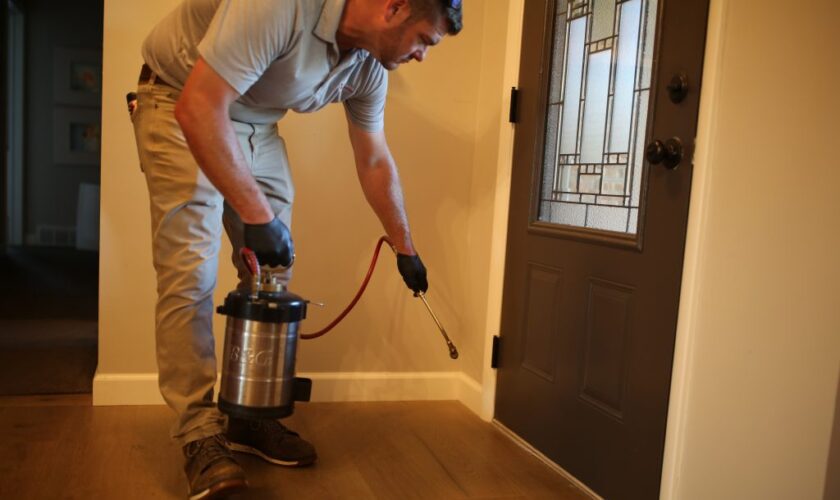
How to Create a Pest Control Plan for Your Home: A Step-by-Step Guide

Creating an effective pest control plan is essential for maintaining a healthy and comfortable living environment. Pests can not only damage property but also pose health risks to you and your family. A well-structured pest control plan can help you proactively manage potential infestations, ensuring your home remains a safe haven. Here’s a detailed guide on how to create an effective pest control plan tailored to your specific needs.

Understanding Your Pest Control Needs

The first step in creating a pest control plan is to understand the specific needs of your home. Different environments attract different pests, and awareness of your unique situation is key.

  1. Identify Common Pests: Start by identifying the types of pests that are prevalent in your area. Common household pests include ants, cockroaches, termites, rodents, and bed bugs. Research local pest trends, as certain species may be more active during specific seasons.
  2. Assess Your Home’s Vulnerabilities: Conduct a thorough inspection of your property. Look for potential entry points such as cracks in walls, gaps around windows and doors, and any holes in the foundation. Pay attention to areas that may provide food or shelter for pests, like kitchens, basements, and attics.

Establishing a Monitoring System

Once you have a clear understanding of the pests that may invade your home, the next step is to set up a monitoring system.

  1. Regular Inspections: Schedule regular inspections of your home, ideally every few months. During these inspections, check for signs of pest activity such as droppings, nests, or damage to structures.
  2. Use Traps and Baits: Place traps or bait stations in areas where pests are likely to enter or travel. Sticky traps can be effective for monitoring insect populations, while bait stations can help control rodent activity.
  3. Keep a Log: Maintain a log of your inspections and any signs of pest activity. This record can help identify patterns and determine the best course of action when an infestation occurs.

Implementing Preventive Measures

Preventing pests from entering your home is one of the most effective ways to manage infestations. Here are several strategies to consider:

  1. Seal Entry Points: Use caulk or weather stripping to seal cracks, gaps, and holes around windows, doors, and the foundation. Pay special attention to utility lines and plumbing access points, as these can also serve as entry points.
  2. Maintain Cleanliness: Regular cleaning is essential for reducing pest attraction. Keep kitchen surfaces clean, store food in airtight containers, and promptly clean up spills. Declutter your home to eliminate hiding spots for pests.
  3. Manage Outdoor Spaces: Landscaping can influence pest activity. Trim overgrown plants, remove standing water, and keep firewood stored away from the home. These practices will help reduce the likelihood of pests making their way indoors.

Choosing Pest Control Methods

When pests do invade, it’s important to have a variety of control methods at your disposal. Consider the following options:

  1. Natural Remedies: Many homeowners prefer natural pest control methods. Essential oils like peppermint, lavender, and tea tree oil can repel certain insects. Vinegar and baking soda can also be effective for managing pests without harsh chemicals.
  2. Chemical Solutions: If natural remedies aren’t sufficient, consider using chemical solutions. Be sure to select products that are specifically designed for the type of pest you’re dealing with, and follow all label instructions carefully. Always prioritize safety, especially if you have children or pets.
  3. Integrated Pest Management (IPM): This holistic approach combines multiple strategies to manage pests effectively. IPM focuses on understanding pest life cycles, using traps and baits, and applying pesticides as a last resort. It emphasizes long-term prevention and environmental health.

Working with Professionals

In some cases, professional pest control services may be necessary. Here’s how to choose a reliable service:

  1. Research Local Companies: Look for pest control companies in your area with positive reviews and a solid reputation. Check their credentials and ensure they are licensed and insured.
  2. Ask Questions: Don’t hesitate to ask potential providers about their methods, products, and pricing. Understanding their approach will help you feel more confident in your choice.
  3. Schedule Regular Treatments: Once you select a pest control service, consider setting up regular treatments. Routine visits can help catch any potential infestations early and maintain a pest-free environment.

Education and Awareness

One of the most powerful tools in pest management is education. Equip yourself and your family with knowledge about pests and prevention techniques.

  1. Stay Informed: Keep up to date with local pest trends and seasonal changes that may affect pest activity. Many local extension services offer resources and information about managing pests.
  2. Teach Your Family: Share pest prevention strategies with your family. Teaching children to clean up after themselves and report any signs of pests can create a more proactive household.

Reviewing and Adjusting Your Plan

Finally, it’s important to regularly review and adjust your pest control plan. As seasons change and your home’s environment evolves, so too should your approach to pest management.

  1. Evaluate Effectiveness: After implementing your pest control measures, assess their effectiveness. Are you seeing fewer pests? Is your monitoring system catching issues early?
  2. Make Necessary Adjustments: If certain methods aren’t working, be open to adjusting your strategy. This may include trying new products, changing monitoring techniques, or addressing any new vulnerabilities in your home.

A Proactive Approach to Pest Control

Creating a comprehensive pest control plan for your home requires careful consideration and ongoing effort. By understanding the risks, implementing preventive measures, and remaining vigilant, you can effectively manage pests and maintain a comfortable living space. A well-structured plan not only protects your home but also promotes peace of mind, allowing you to focus on what truly matters: enjoying your living environment.

read more
Home

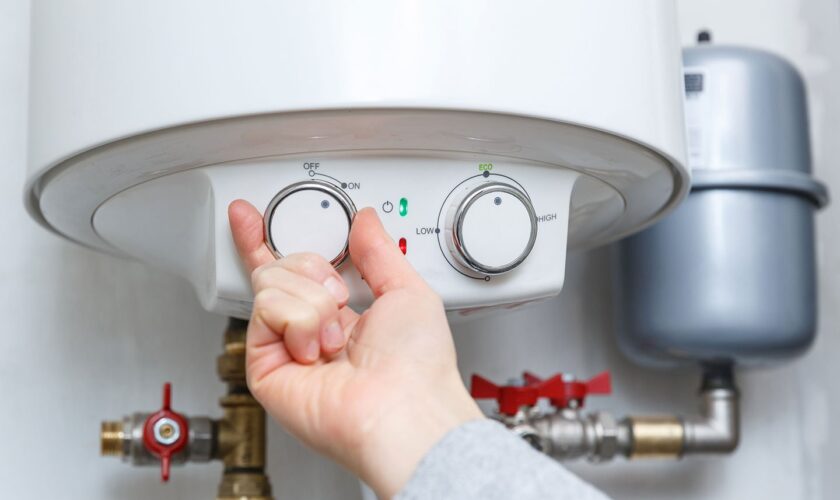
How to Properly Maintain Your Water Heater

Maintaining your water heater is essential for ensuring its efficiency, extending its lifespan, and preventing costly repairs. Whether you have a traditional tank model or a modern tankless system, regular maintenance can keep your water heater running smoothly and efficiently. Here’s a detailed guide on how to properly maintain your water heater.

1. Regular Inspection

Performing regular inspections is the first step in maintaining your water heater. This allows you to catch potential issues before they escalate into significant problems.

Check for Leaks

Inspect the area around your water heater for any signs of leaks. Look for puddles, damp spots, or rust around the unit. If you notice any leaks, it’s crucial to address them immediately, as they can lead to more significant damage and increased water bills.

Examine the Pressure Relief Valve

The pressure relief valve is a safety feature designed to prevent excessive pressure buildup in the tank. To test it, lift the lever to release some water. If water doesn’t flow freely or the valve leaks after testing, it may need to be replaced.

2. Flush the Tank

Flushing your water heater is vital for removing sediment buildup, which can reduce efficiency and damage the unit over time. Sediment, primarily composed of minerals, can accumulate at the bottom of the tank and lead to overheating and corrosion.

Steps to Flush the Tank

  1. Turn Off the Power: For electric models, switch off the circuit breaker. For gas models, turn the thermostat to the “pilot” setting.
  2. Connect a Hose: Attach a garden hose to the drain valve at the bottom of the tank, directing the other end to a floor drain or outside.
  3. Open the Drain Valve: Carefully open the drain valve, allowing water to flow out. Be cautious, as the water may be hot.
  4. Flush the Tank: Once the tank is empty, briefly turn on the cold water supply to stir up any remaining sediment. Let it drain again until the water runs clear.
  5. Close the Valve and Refill: Close the drain valve, disconnect the hose, and turn the power back on. Allow the tank to refill before using hot water.

Flushing the tank should be done at least once a year, or more frequently if you live in an area with hard water.

3. Check the Anode Rod

The anode rod is a crucial component in preventing tank corrosion. It is made of magnesium or aluminum and is designed to attract corrosive elements in the water, protecting the tank from rust.

Inspecting the Anode Rod

  1. Locate the Rod: The anode rod is usually located on the top of the water heater. It may require some tools to access, as it can be secured with a hex head screw.
  2. Assess Condition: Remove the rod and inspect it for signs of corrosion or significant wear. If the rod is less than half an inch thick or heavily corroded, it’s time to replace it.
  3. Replace as Needed: Anode rods should be replaced every 3 to 5 years, depending on water quality and usage.

4. Adjust the Temperature Setting

Setting the right temperature for your water heater not only enhances safety but also improves efficiency. The recommended temperature for most households is around 120°F (49°C).

Benefits of Proper Temperature

  • Energy Savings: Lowering the temperature can reduce energy costs, as less energy is required to heat the water.
  • Scalding Prevention: A lower temperature reduces the risk of scalding, making it safer for children and the elderly.

Adjusting the Temperature

  1. Locate the Thermostat: For electric heaters, there are usually two thermostats—one for the upper heating element and one for the lower. For gas heaters, the thermostat is typically a dial on the front.
  2. Make Adjustments: Adjust the temperature to the desired level. If you have an electric model, check both thermostats to ensure they are set to the same temperature.

5. Insulate Your Water Heater

Insulating your water heater can improve efficiency by reducing heat loss, especially if your heater is in an unconditioned space like a garage or basement.

Insulation Options

  1. Blanket Insulation: Purchase an insulation blanket specifically designed for water heaters. Follow the manufacturer’s instructions for installation.
  2. Pipe Insulation: Insulating the hot water pipes leading from the heater can also reduce heat loss and improve delivery times.

6. Schedule Professional Maintenance

While many maintenance tasks can be performed by homeowners, scheduling regular professional maintenance is crucial for ensuring the optimal performance of your water heater.

Benefits of Professional Service

  • Thorough Inspection: Professionals can identify potential issues that may go unnoticed during a routine inspection.
  • Expert Cleaning: They can perform a thorough flush of the tank and check all components, including the pressure relief valve and anode rod.
  • Warranties: Many manufacturers require regular maintenance to keep warranties valid, so professional servicing can help protect your investment.

7. Monitor for Signs of Trouble

Being vigilant for any signs of trouble can help catch issues early. Look for:

  • Unusual Noises: Sounds like popping or rumbling may indicate sediment buildup.
  • Inconsistent Water Temperature: If your water isn’t heating properly, it may be time for a check-up.
  • Rusty Water: Rust-colored water may signal corrosion inside the tank.

If you notice any of these signs, consult a professional plumber to assess the situation.

Maintaining a Reliable Water Heater

Proper maintenance of your water heater is essential for ensuring its efficiency, longevity, and safe operation. Regular inspections, flushing the tank, checking the anode rod, adjusting temperature settings, insulating the unit, and scheduling professional maintenance are all crucial steps. By investing time and effort into these maintenance practices, you can enjoy reliable hot water for years to come while minimizing the risk of costly repairs.

read more
Home

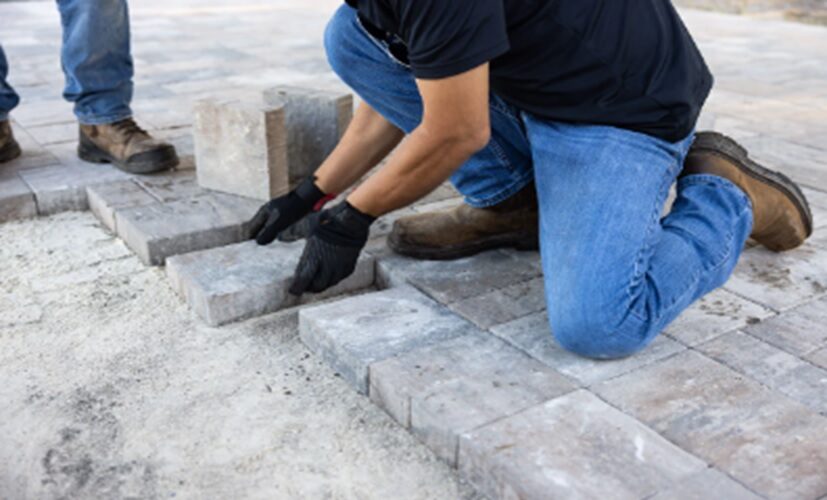
Paver Contractors vs. DIY: Why Professional Installation Matters

Pavers are a great way to transform the look of your outdoor area. They can be used for driveways, patios, pool areas, and walkways. Many homeowners are faced with the decision of whether to hire professional paver contractors or do it themselves. Although DIY installation may appear to be the most cost-effective option, it is not always the best choice. Why it matters.

Expertise and Experience

Expertise and experience are two of the biggest advantages of hiring a professional paver contractor. They have worked with a variety of materials and pavers for many years. They can deal with issues such as uneven terrain, drainage problems, and soil conditions.

DIYers may not have the same experience or knowledge. Lack of experience, even with online guides and tutorials, can cause mistakes. Poor installation may cause pavers to sink or shift over time. This can lead to costly repairs.

Proper Tools and Equipment

The right equipment and machinery are used by professional paver contractors. The tools required for paver installation can be expensive and highly specialized. These tools are used to ensure that pavers are installed evenly, the base compacted properly, and that the project is completed accurately.

You may have to purchase or rent these tools if you decide to do a DIY job, and this can increase the cost. Using the wrong equipment, or skipping steps like compacting the base properly, can make your paver installation less durable.

Time and Efficiency

The installation of pavers can be laborious and time-consuming. Site preparation, laying of the base, leveling of the surface, arrangement, and sealing of the pavers are all part. Professional crews can finish the project much quicker than DIY projects, usually in just a few days. They know how to avoid the most common mistakes, which minimizes delays.

DIY projects, however, can take months or even weeks, especially when you have to balance the project with your other obligations. The longer a project takes, the greater the chance of making mistakes or losing momentum.

Long-Term Durability

Professionals install pavers, and you get a job well done, you benefit from warranties covering both the materials as well as the installation. Contractors adhere to industry standards when installing pavers, which ensures durability and resistance against wear and tear. DIY projects can save you money, but they often lack the durability and quality of a professionally installed surface.

Although DIY paver installations may be tempting because they are cheaper, professional paver installers provide expertise, the right equipment, efficiency and durability over time that DIY projects cannot match. Professional installation will ensure a long-lasting, beautiful and functional outdoor space. This will increase the value of your house for many years.

This post was written by a professional at Apexx Enterprise LLC. Adam Ortega founded the company https://apexxenterprise.com/, in 2016 at only 20 years old. Mr. Ortega has become a licensed general contractor Tucson in the state of Arizona like his father and grandfather before him. Apexx Enterprise LLC is licensed, bonded, and insured and it is available for review at the Better Business Bureau. Apexx Enterprise LLC has won many achievements within the Home Advisor platform and we have multiple reviews as well. Their Mission Statement – “Our crew at Apexx Enterprise will perform the highest quality construction services for our customers. We aim to achieve our mission through total service satisfaction and by delivering our services while maintaining the highest levels of professionalism, integrity, and honesty.”

read more
Home

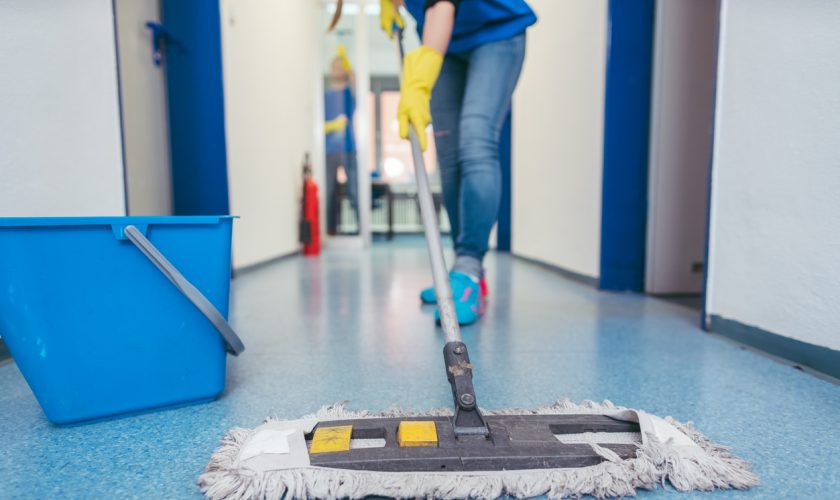
A Sparkling Solution: Commercial Cleaning Services in Charlotte, NC

Why Choose Commercial Cleaning Services?

Keeping a clean and organized workspace is essential for the success of any business. However, maintaining a spotless environment can be a challenging task, especially for large commercial spaces. That’s where commercial cleaning services come in. These professional cleaning companies specialize in providing comprehensive and efficient cleaning solutions for businesses in Charlotte, NC and surrounding areas.

1. A Spotless Workspace for Increased Productivity

One of the main reasons why businesses choose to hire commercial cleaning services is the desire to create a clean and clutter-free workspace. A tidy and well-maintained environment can have a significant impact on employee productivity and overall morale.

By outsourcing cleaning tasks to professionals, businesses can ensure that their workspace is consistently clean and organized. This allows employees to focus on their core responsibilities without the distraction of clutter and mess. Studies have shown that employees are more productive and motivated in clean and organized environments.

2. Time and Cost Efficiency with Professional Cleaners

Professional commercial cleaning services can save businesses valuable time and money. Hiring an in-house cleaning staff requires additional expenses such as salaries, benefits, and cleaning supplies. On the other hand, outsourcing cleaning tasks to a professional company eliminates these overhead costs.

Commercial cleaning services have the expertise and experience to efficiently and effectively clean large commercial spaces. They use specialized equipment and techniques that allow them to complete the cleaning tasks in less time compared to an in-house cleaning staff. This time efficiency translates into cost savings for businesses.

3. Improved Health and Safety Standards

Cleanliness is directly related to the health and safety of the workplace. A dirty and poorly maintained environment can harbor germs, bacteria, and allergens, which can lead to employee illnesses and decreased productivity.

Commercial cleaning services prioritize the health and safety of the workspace. They use industry-standard cleaning products and techniques to ensure that the space is thoroughly cleaned and sanitized. Regular cleaning and disinfection of high-touch surfaces reduce the risk of germ transmission and contribute to a healthier work environment.

The Benefits of Hiring a Commercial Cleaning Service in Charlotte

When it comes to hiring a commercial cleaning service in Charlotte, businesses can expect a wide range of benefits that go beyond just maintaining cleanliness. Let’s explore some of these advantages:

1. Tailored Cleaning Solutions for Your Business

Commercial cleaning services Charlotte NC, understand that different businesses have different cleaning needs. They offer customized cleaning plans tailored to the specific requirements and preferences of each client.

Before starting any cleaning project, professional cleaners conduct a thorough assessment of the workspace. They take into account factors such as the size of the space, the type of surfaces, and any specialized cleaning requirements. This allows them to create a cleaning plan that addresses all the unique needs of the business.

Whether it’s a medical facility that requires strict adherence to hygiene protocols or an office space with delicate electronic equipment, a commercial cleaning service can provide a tailored cleaning solution that meets the highest standards.

2. Cutting-Edge Equipment and Techniques

Commercial cleaning companies invest in state-of-the-art equipment and utilize the latest cleaning techniques to deliver exceptional results. They stay updated with industry advancements and are knowledgeable about the most effective cleaning methods for different surfaces and materials.

From high-powered vacuums and steam cleaners to eco-friendly cleaning solutions, professional cleaners have access to a wide range of tools and products that allow them to tackle even the toughest cleaning challenges. This ensures that businesses receive the highest quality cleaning services.

3. Eco-Friendly Cleaning Practices for a Sustainable Environment

Many commercial cleaning services in Charlotte are committed to environmentally friendly practices. They prioritize the use of eco-friendly cleaning products and techniques that reduce the impact on the environment.

Eco-friendly cleaning products are non-toxic, biodegradable, and have minimal impact on indoor air quality. By choosing a commercial cleaning service that follows sustainable cleaning practices, businesses can contribute to a healthier and greener future.

What Sets Our Commercial Cleaning Services Apart

While there are several commercial cleaning services available in Charlotte, it’s important to choose a company that stands out from the competition. Here are some factors that set our commercial cleaning services apart:

1. Extensive Experience in the Industry

We have been providing commercial cleaning services in the Charlotte area for over 10 years. Our team of experienced cleaners has a deep understanding of the unique cleaning requirements of different businesses.

With our extensive experience, we have developed efficient cleaning processes and mastered the art of delivering exceptional results. We have built a strong reputation for our reliability, professionalism, and attention to detail.

2. Highly Trained and Background-Checked Cleaners

We understand the importance of trust when it comes to allowing cleaners into your business premises. That’s why we ensure that all our cleaners undergo rigorous training and background checks before they join our team.

Our cleaners are not only skilled in using the latest cleaning techniques and equipment but also abide by strict ethical standards. You can have peace of mind knowing that your workspace is in the hands of trustworthy professionals.

3. Flexible Scheduling Options to Suit Your Business Needs

We understand that every business operates on its own schedule. That’s why we offer flexible scheduling options to accommodate the unique needs of our clients.

Whether you require daily, weekly, or monthly cleaning services, we can create a cleaning schedule that works best for your business. We strive to minimize disruption to your operations while ensuring a clean and inviting environment for everyone.

How to Find the Best Commercial Cleaning Service in Charlotte

When it comes to choosing a commercial cleaning service in Charlotte, there are a few key factors to consider. Follow these steps to find the best cleaning service for your business:

1. Check for Insurance and Bonding

Before hiring a commercial cleaning service, ensure that they have proper insurance coverage and bonding. This protects your business from liability in case of any accidents or damages that may occur during the cleaning process.

Ask the cleaning company to provide proof of insurance and bonding and verify its validity with the respective insurance provider. This will give you peace of mind knowing that you are working with a reputable and responsible cleaning service.

2. Read Reviews and Testimonials

Take the time to read reviews and testimonials from past clients of the commercial cleaning services you are considering. Online platforms such as Google, Yelp, and social media can provide valuable insights into the quality of service provided by the company.

Look for cleaning services that consistently receive positive feedback and have a strong reputation for their professionalism, reliability, and attention to detail. Reading reviews can give you a better understanding of what to expect from the cleaning service.

3. Request a Quote and Compare Services

Reach out to multiple commercial cleaning services in Charlotte and request a detailed quote for the cleaning services you require. Compare the services offered, pricing, and any additional benefits or guarantees provided by each company.

Keep in mind that the lowest price doesn’t always guarantee the best service. Consider the overall value provided by each commercial cleaning service and choose the one that aligns with your requirements and budget.

By following these steps and thoroughly researching prospective cleaning services, you can find a reliable partner to keep your workspace clean and inviting.

Investing in commercial cleaning services is an investment in the success and well-being of your business. With their expertise, tailored solutions, and commitment to cleanliness, these professional cleaners can transform your workspace into a sparkling and productive environment.

read more
Home

Dive into Safety: Ensuring Pool Compliance with Professional Certifications

When it comes to owning a swimming pool in Australia, safety is paramount. With the country’s scorching summers and the backyard pool being a staple of many households, ensuring that your pool meets safety standards isn’t just a regulatory requirement, it’s essential for the well-being of your family and visitors.

Why Is Pool Compliance Important?

Australia has strict regulations around pool safety, aimed at preventing accidents and ensuring a safe environment for everyone. Compliance with these regulations helps to:

  • Reduce the risk of drowning, particularly for young children.
  • Ensure that pool barriers and fencing are up to standards.
  • Guarantee that maintenance and safety checks are conducted regularly.

What Does Professional Certification Involve?

Professional pool certifiers play a crucial role in this process. They conduct thorough inspections to ensure that all safety measures are in place and meet the required standards. Here’s what typically happens during a pool certification:

  1. Initial Inspection

The certifier will check the pool area for compliance with local safety regulations. This includes inspecting the pool fence height, gate functionality, and the presence of any climbable objects nearby that could pose a risk.

  1. Detailed Assessment

They will assess pool barriers, safety signage, and the overall condition of the pool. This ensures that every aspect of the pool area adheres to safety guidelines.

  1. Compliance Report

After the inspection, the certifier provides a detailed report outlining any issues that need to be addressed. The report is essential for understanding what improvements are necessary to meet compliance standards.

  1. Re-inspection

Once the necessary changes have been made, the certifier will conduct a follow-up inspection to ensure all issues have been resolved. Upon successful re-inspection, they will issue a compliance certificate.

The Role of Pool Certifiers in Sydney

In a bustling city like Sydney, professional pool certifiers are indispensable. Homeowners rely on their expertise to ensure that their pools are safe and compliant. By engaging a certified professional, you can rest assured that your pool area will be thoroughly checked and meet all local safety requirements.

Using a pool certifier in Sydney not only ensures compliance but also provides peace of mind that your pool is a safe environment for all users.

Pool safety is a non-negotiable aspect of pool ownership in Australia. By investing in professional pool certification, you’re not only adhering to legal requirements but also safeguarding the lives of those who enjoy your pool. Remember, safety first—always ensure your pool is up to standard with the help of professional certifiers.

For more information on pool compliance regulations and to find a professional certifier near you, consult your local government or safety authority.

read more
Home

Transform Your Space: A Dive into Architectural Moulding Trends

Architectural moulding is a timeless design element that can easily transform any space, adding character and sophistication. Whether you have a modern or traditional interior, incorporating architectural moulding can elevate the overall look of your home. In this blog post, we will explore the latest trends in architectural moulding and how you can use them to enhance your living space.

One of the most popular materials for architectural moulding is polyurethane moulding (known as บัวพื้นโพลียูรีเทน in Thai). This material is lightweight, durable, and easy to work with, making it a great choice for both DIY enthusiasts and professionals. Polyurethane moulding comes in a variety of styles and finishes, from classic crown moulding to intricate chair rails and baseboards. By incorporating polyurethane moulding into your home, you can achieve a high-end look without breaking the bank.

In recent years, there has been a shift towards more minimalist and contemporary architectural moulding designs. Thin profiles, clean lines, and geometric shapes are becoming increasingly popular, giving spaces a sleek and modern aesthetic. Pairing these minimalist mouldings with neutral colours and natural materials creates a harmonious balance that is both timeless and on-trend.

For those who prefer a more traditional look, ornate architectural mouldings are making a comeback. Intricate detailing, elaborate patterns, and rich finishes add depth and dimension to any room. From grandiose ceiling medallions to elegant wainscoting panels, traditional architectural mouldings bring an air of elegance and sophistication to interiors. To give these classic elements a fresh twist, consider painting them in bold colours or metallic finishes.

In Thai culture, architectural details play an important role in interior design. Traditional Thai homes often feature intricate wood carvings, decorative motifs, and ornate trim work that reflect the country’s rich cultural heritage. By incorporating elements of Thai design into your space through architectural mouldings, you can create a unique fusion of old-world charm and modern elegance.

Architectural moulding is a versatile design element that can completely transform the look and feel of any space. Whether you prefer minimalist modern designs or ornate traditional styles, there are endless possibilities when it comes to incorporating architectural mouldings into your home. By staying informed about the latest trends in architectural moulding and experimenting with different styles and materials like polyurethane moulding, you can create a truly personalized space that reflects your unique taste and style.

read more
Home

Pest inspections – Protecting your building from unwanted visitors

An ounce of prevention is worth a pound of cure and regular pest inspections provide that prevention to stop infestations of hand. While regular cleaning and sanitation remove some pest attractants, most buildings have potential entry points, food sources, and harbourage areas that pests exploit.

Identifying vulnerabilities

Pest inspectors are trained to find even the smallest cracks, gaps, moisture areas, clutter buildups, improper food storage, and other issues that welcome pests inside. For larger facilities, their inspection lays out a full blueprint of vulnerabilities that need to be sealed, cleaned, or repaired to eliminate pest attractants.

Detecting infestations

building inspections Sydney know exactly where and how to look for droppings, nests, eggs, larvae, and damage that indicates the presence of rodents, insects, or other pests. They also set monitoring traps to capture samples to identify the species and the extent of any infestations.

Finding entry points

Following trails of droppings or insects, and using tools like moisture meters to detect potential entry areas around foundations, walls, pipes, and more allow inspectors to pinpoint where pests are getting in.

Identifying areas at-risk

There are findings on food sources, moisture level harbourage areas like clutter, greenery close to buildings, and other factors, inspectors on high-risk areas that need ongoing monitoring and preventative treatments.

Inspections work

  • Exterior examination

Inspectors will closely examine the exterior of the building including the roof, eaves, utility line entry points, windows, doors, landscaping, and any other potential entry routes or hiding spots for nests and tunnels.

  • Interior assessment

Inside, every nook and cranny will be checked including baseboards, kitchen and storage areas, clutter, plumbing, wiring channels, elevator shafts, wall/ceiling voids, furniture, and equipment. Monitoring devices may be installed in key areas.

  • Documentation and reporting

Detailed notes, diagrams, and photographs capture all findings, plus an overall risk assessment highlight priorities for repair, sanitation, and prevention needs.

Inspection cadences vary based on factors like the facility type, climate, geography, and existing pest issues. But most pest management professionals recommend:

  1. Homes: Inspection every 6-12 months
  2. Foodservice and hospitality: Monthly or quarterly inspections
  3. Multi-unit housing: Inspections 2-4 times per year
  4. Schools and daycares: Monthly inspections
  5. Warehouses & storage facilities: Quarterly inspections
  6. Healthcare facilities: Monthly inspections

Benefits of regular pest inspections

While inspections require an investment of time and money, the alternative of dealing with an unchecked pest infestation is far costlier in terms of:

  1. Health hazards

Many pests carry bacteria, viruses, and parasites that sicken people and pets through direct contact or contamination of food prep surfaces and living areas. Rodents are a major asthma trigger, and pests introduce dangerous substances like Hantavirus.  Protect the well-being of occupants by controlling pests.

  1. Structural and property damage

Termites, carpenter ants, and rodents chew through wood framing and other structural elements making buildings unsafe. All sorts of pests also damage inventory, belongings, insulation, electrical wiring, and more causing expensive repairs.

  1. Food contamination

Rodent droppings, shed insect body parts, nesting materials and more easily wind up in food products causing contamination issues in homes, restaurants, food processing facilities, and more. Such events force shutdowns, disposal of inventory, and face hefty fines.

read more
1 2 3 4 15
Page 2 of 15