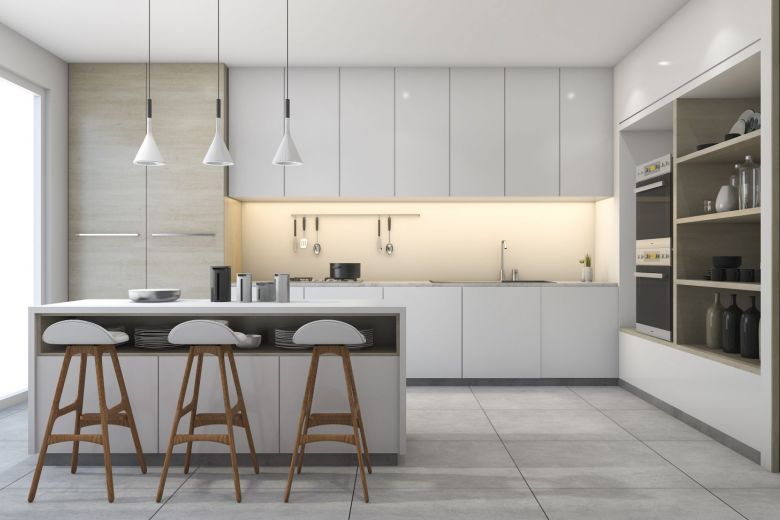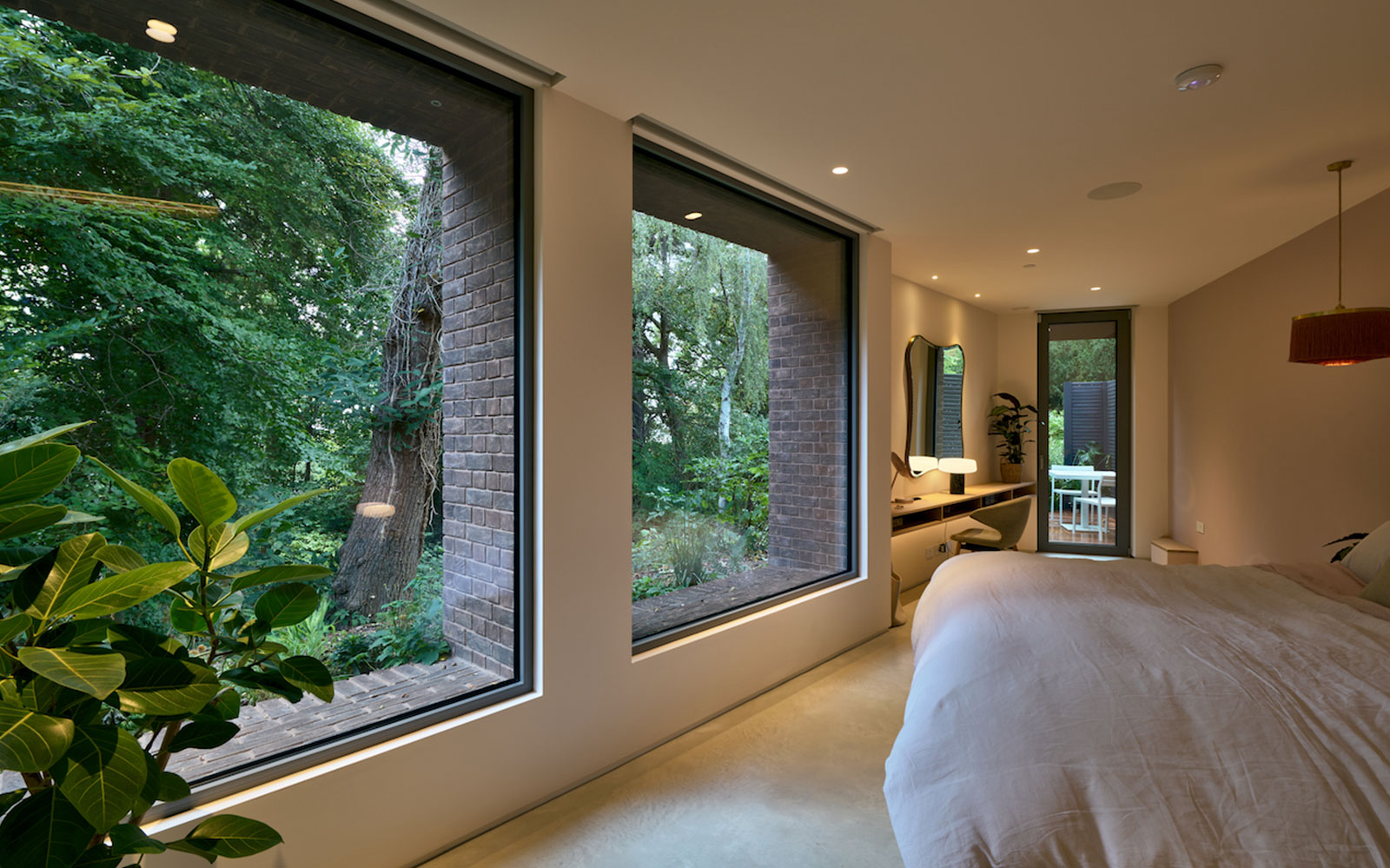
Interior design has entered a decisive new era—one where aesthetics are no longer judged only by visual harmony, but by their measurable psychological and physiological impact. At the forefront of this shift is neuroaesthetic interior design, an advanced discipline that integrates neuroscience, behavioral psychology, and material intelligence to intentionally influence how people feel, focus, recover, and interact within a space.
Unlike generic wellness design or surface-level trends, neuroaesthetic interiors are strategically engineered environments. Every texture, proportion, light temperature, acoustic response, and spatial sequence is selected to activate specific neural responses. This article explores how seasoned designers, architects, and developers are applying neuroaesthetic principles to create interiors that don’t just look refined—but actively improve cognition, emotional regulation, and long-term wellbeing.
Understanding Neuroaesthetics Beyond Visual Appeal
Neuroaesthetics studies how the brain responds to sensory stimuli such as light, color, sound, texture, and spatial orientation. When applied to interior design, it moves far beyond stylistic preferences and into evidence-based spatial orchestration.
At an advanced level, neuroaesthetic interiors aim to:
-
Regulate stress hormones like cortisol
-
Enhance dopamine-driven motivation
-
Improve memory retention and focus
-
Support emotional transitions between rest, productivity, and social interaction
This approach is particularly valuable in high-performance environments such as executive residences, boutique hospitality, wellness clinics, creative studios, and hybrid workspaces where mental clarity and emotional balance are critical.
Spatial Zoning Based on Cognitive States
One of the most powerful applications of neuroaesthetics is cognitive zoning—the intentional design of spaces based on the mental states they are meant to support.
Instead of dividing rooms by function alone, advanced designers now map interiors according to neural activity patterns.
Focus-Oriented Zones
Designed to minimize distraction and cognitive fatigue, these zones typically include:
-
Low-contrast color palettes (warm greys, muted taupes)
-
Matte finishes to prevent visual noise
-
Controlled lighting gradients that avoid harsh transitions
-
Linear geometries that promote mental order
These zones are ideal for home offices, libraries, and strategic thinking areas.
Recovery and Decompression Zones
Spaces meant for emotional regulation and restoration emphasize:
-
Curvilinear forms that signal safety to the brain
-
Soft tactile materials like wool, boucle, or suede
-
Lower ceiling heights or cocoon-like enclosures
-
Diffused, indirect lighting with warmer Kelvin temperatures
These principles are frequently applied in luxury bedrooms, spa-inspired bathrooms, and meditation rooms.
Social Activation Zones
To encourage interaction and emotional openness, designers introduce:
-
Higher chromatic saturation in controlled doses
-
Textural contrasts that stimulate sensory engagement
-
Circular seating arrangements that promote eye contact
-
Layered lighting to support dynamic social energy
Material Intelligence and the Nervous System
Materials are no longer chosen solely for durability or aesthetics. In neuroaesthetic design, materials are evaluated based on how they interact with the human nervous system.
Tactile Psychology in Material Selection
The skin contains millions of sensory receptors that communicate directly with the brain. Designers leverage this by specifying materials that evoke calm or stimulation depending on the space’s intent.
Common advanced material strategies include:
-
Using micro-textured surfaces in resting areas to promote grounding
-
Avoiding high-gloss finishes in focus zones to reduce subconscious alertness
-
Introducing natural irregularities (stone veining, wood grain) to reduce visual monotony
Thermal Perception and Emotional Comfort
Temperature perception is deeply linked to emotional states. Neuroaesthetic interiors often combine:
-
Thermally adaptive materials like clay plaster or cork
-
Zoned radiant heating rather than centralized systems
-
Upholstery materials that retain warmth in relaxation spaces
These choices subtly enhance comfort without relying on mechanical interventions.
Light as a Neurological Tool
Lighting design is one of the most influential—and often underestimated—components of neuroaesthetic interiors.
Rather than treating lighting as a decorative layer, advanced interiors use it as a biological regulator.
Circadian-Aligned Lighting Systems
High-level projects increasingly integrate lighting systems that shift throughout the day, supporting the body’s natural rhythms.
Key considerations include:
-
Cooler, brighter light in the morning to enhance alertness
-
Neutral mid-day light for sustained productivity
-
Warmer, dimmed lighting in the evening to promote melatonin production
This approach aligns with standards promoted by organizations such as WELL Building Standard, which emphasize the neurological impact of built environments.
Shadow Design and Depth Perception
Neuroaesthetic interiors intentionally design shadows, not just illumination. Soft shadow gradients add depth, reduce spatial anxiety, and prevent sensory overstimulation—especially in minimalist or monochromatic spaces.
Acoustic Design and Emotional Regulation
Sound profoundly affects emotional states, often more quickly than visual cues. Advanced interior design now treats acoustics as a core emotional infrastructure, not an afterthought.
Acoustic Zoning Techniques
Rather than striving for complete silence, neuroaesthetic interiors aim for acoustic balance:
-
Absorptive materials in high-focus zones
-
Reflective surfaces in social areas to enhance liveliness
-
Layered soundscapes that mask disruptive noise without creating sensory fatigue
Material-Based Acoustic Control
Instead of visible acoustic panels, designers integrate sound control through:
-
Upholstered architectural elements
-
Perforated wood surfaces
-
Textile wall systems that double as art installations
This maintains aesthetic sophistication while supporting emotional comfort.
Proportion, Scale, and Neural Comfort
Human brains are highly sensitive to proportion—even when occupants are unaware of it. Neuroaesthetic design leverages this by refining scale relationships within interiors.
Ceiling Heights and Emotional Response
-
Higher ceilings encourage abstract thinking and creativity
-
Lower ceilings promote intimacy and emotional grounding
Advanced projects often vary ceiling heights within a single space to guide emotional transitions without physical barriers.
Golden Ratio and Biophilic Geometry
Designers subtly incorporate ratios and organic geometries that mirror patterns found in nature. These forms are processed more efficiently by the brain, resulting in a sense of ease and familiarity.
Technology Integration Without Cognitive Overload
Smart technology is now ubiquitous, but neuroaesthetic interiors integrate it with restraint and intention.
Best practices include:
-
Concealing interfaces to reduce visual clutter
-
Using adaptive automation rather than manual controls
-
Ensuring technology supports, rather than dictates, human behavior
The goal is cognitive relief, not technological dominance.
The Future of Interior Design Is Emotional Precision
As clients become more discerning and wellness-driven, interior design is shifting from stylistic expression to emotional precision. Neuroaesthetic interiors represent a maturation of the industry—where design decisions are validated not just by trends, but by neuroscience.
This evolution empowers designers to create spaces that actively support mental health, enhance performance, and foster deeper emotional connections between people and their environments.
Frequently Asked Questions (FAQ)
What makes neuroaesthetic interior design different from wellness design?
Neuroaesthetic design is rooted in neuroscience and measurable brain responses, whereas wellness design often focuses on general comfort and lifestyle amenities.
Can neuroaesthetic principles be applied to residential interiors?
Yes, they are especially effective in high-end residences, where personalized emotional outcomes can be precisely engineered.
Does neuroaesthetic design require advanced technology?
Not necessarily. While technology can enhance results, many principles rely on material choice, spatial planning, and sensory balance.
How does neuroaesthetic design impact productivity?
By reducing cognitive fatigue and regulating sensory input, these interiors support sustained focus and mental clarity.
Is this approach suitable for commercial spaces?
Absolutely. Offices, hotels, clinics, and retail environments benefit significantly from emotionally intelligent design strategies.
Can neuroaesthetic interiors still reflect personal style?
Yes. Neuroaesthetics informs how elements are used, not which styles are chosen, allowing for strong personal or brand identity.
Is neuroaesthetic design supported by scientific research?
Yes. It draws from established research in neuroscience, environmental psychology, and behavioral science, making it one of the most evidence-driven design approaches available today.